In Washington, D.C., on June 27, 2025, a fragile hope bloomed. The foreign ministers of the Democratic Republic of Congo (DRC) and Rwanda signed an agreement – the Washington Accords – promising an end to decades of brutal conflict in eastern Congo. The world held its breath, cautiously optimistic that this time, peace might finally take root.
This wasn’t simply a ceasefire. The Accords envisioned a sweeping transformation, linking security guarantees with a bold plan for regional economic integration, fueled by Congo’s immense mineral wealth. For Rwanda, long shadowed by accusations of supporting armed groups, it offered a path to diplomatic redemption. For Congo, a chance to rebuild shattered communities and reclaim control of its ravaged lands.
But the true prize lay in the potential for global investors, eager to unlock access to a treasure trove of resources – cobalt, lithium, copper, gold – essential for the technologies shaping the future. The stakes, as Presidents Kagame and Tshisekedi prepared to ratify the agreement on December 4, 2025, had never been higher.
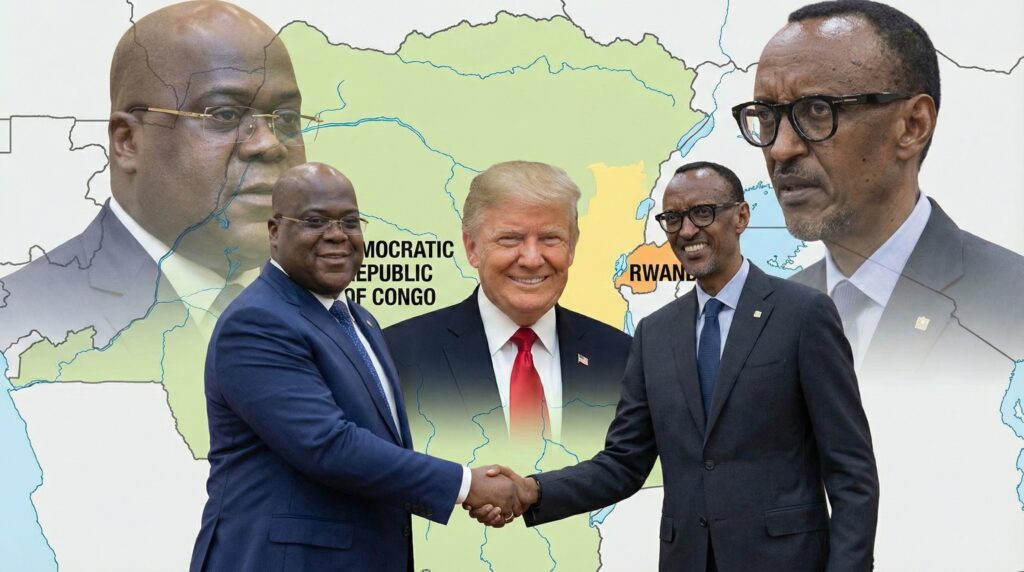
At the heart of the Accords lay a commitment to end hostilities. Rwandan troops were mandated to withdraw from eastern Congo within 90 days, and Rwanda pledged to cease all support for non-state armed groups, including the notorious Democratic Forces for the Liberation of Rwanda (FDLR). A joint security mechanism was established to oversee this delicate process, a crucial step towards dismantling the machinery of war.
The agreement subtly reframed the narrative surrounding Rwanda’s presence in the region, shifting from aggressive intervention to a defensive posture – blocking external attackers rather than initiating conflict. This seemingly minor change held significant political and diplomatic weight, offering a face-saving solution for Kigali.
However, the Accords extended far beyond the battlefield. A Regional Economic Integration Framework promised to connect Rwanda and the DRC, attracting billions in Western investment – particularly from U.S. companies – through joint ventures in mining, infrastructure, energy, and more. The goal was clear: to transform a region defined by conflict into a hub of prosperity, fueled by its natural resources.
The United States and Qatar played pivotal roles in brokering the agreement, positioning themselves as strategic power brokers and offering both nations a chance at diplomatic rehabilitation. The signing ceremony itself was a powerful symbol, a testament to the possibility of reconciliation after years of unimaginable suffering and loss.
Yet, even as the ink dried on the agreement, a disturbing disconnect emerged between diplomatic aspiration and the harsh realities on the ground. By mid-September 2025, Rwandan troops remained in eastern Congo, and the FDLR had not begun to disarm. The fragile peace hung precariously in the balance.
Adding to the complexity, the primary rebel force in the east, M23 – widely believed to be backed by Rwanda – was excluded from the Washington Accords. Entrenched in mineral-rich areas, M23 stubbornly resisted peace efforts, and previous ceasefires brokered in Doha had already collapsed. Fighting continued, and accusations of violations flew between both sides.
Despite the formalization of the economic coordination structure in November 2025, its implementation remained contingent on security assurances. Investors eyeing Congo’s vast reserves faced a daunting risk: without peace, mining operations and the necessary infrastructure would remain a distant dream.
Distrust and political maneuvering further complicated matters. President Kagame accused the DRC of adding new conditions to the agreement, while Congolese authorities insisted on safeguarding their sovereignty and control over their territory and resources. Ratification was repeatedly delayed, and the promise of peace seemed to slip further away.
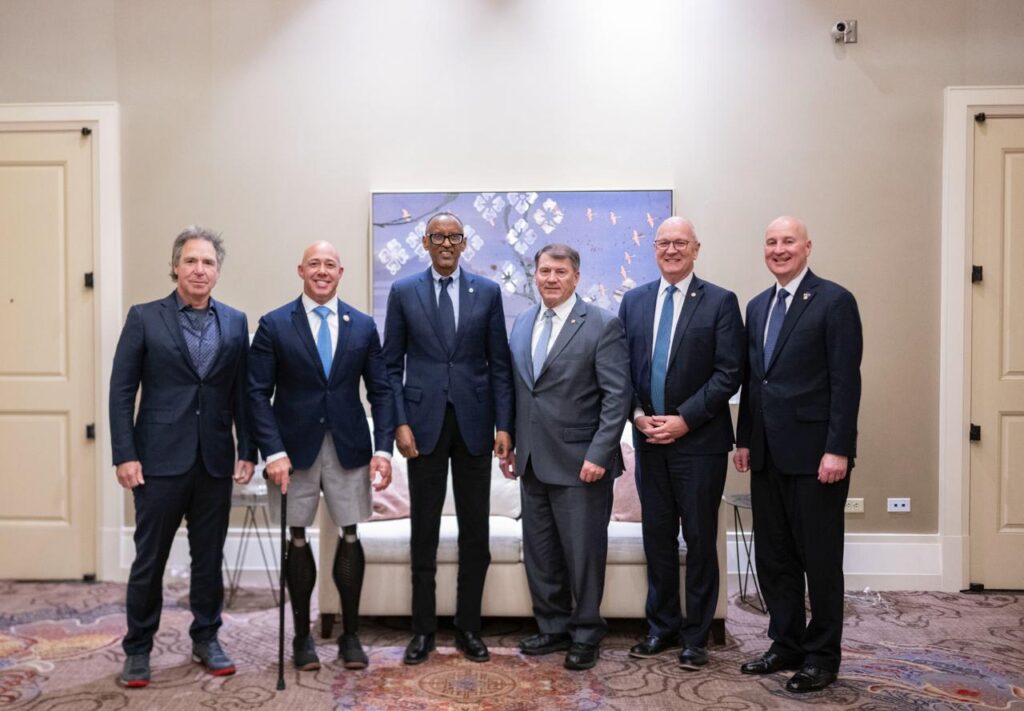
On December 4, 2025, Presidents Kagame and Tshisekedi convened at the White House with U.S. President Donald J. Trump to witness the formal ratification of the Washington Accords. The event was hailed as a triumph of diplomacy, a platform for future peace and prosperity. A dinner with key U.S. Congress members followed, a strategic move to secure political support for investment in the region.
But beneath the surface of optimism, a sobering truth remained. Thirty years of instability, ethnic tensions, and deep-seated distrust could not be erased by signatures on paper. The involvement of M23, and its continued resistance, posed a critical threat to the Accords’ success.
Five months after the initial agreement, Rwandan forces were still present in the DRC, the FDLR remained armed, and M23 was actively fighting. The DRC’s insistence on full compliance before economic cooperation could begin introduced another layer of uncertainty. Without security, the economic promises were rendered meaningless.
Critics warned that the Accords risked becoming “peace for profit,” prioritizing mineral wealth over justice, reconciliation, and human rights. In a region scarred by genocide and ethnic violence, lasting stability could only be achieved through accountability and reparations.
The ongoing accusations and counter-accusations between Rwanda and the DRC underscored the fragility of the agreement. If either side perceived it as a trap or a tool for political leverage, the fragile peace could easily unravel. The future of the Washington Accords, and the fate of a region yearning for peace, remained uncertain.
The coming months will be critical. Observers will be watching for tangible progress on troop withdrawal, disarmament, and the inclusion of M23 in negotiations. The implementation of the economic framework, and the response of local communities, will also be key indicators of success. International oversight and a commitment to human rights and transparency will be essential to ensure that the promise of peace is not betrayed.
The Washington Accords represent a new approach to conflict resolution in Africa, a gamble backed by the United States and its allies. If successful, they could bring stability to eastern Congo, unlock its vast potential, and offer a path to prosperity for both Rwanda and the DRC. But the road ahead is fraught with challenges, and the world watches, hoping that this time, peace will finally prevail.