The final whistle blew, leaving Manchester United with a frustrating 1-1 draw against West Ham, and questions immediately turned to the manager’s choices from the bench.
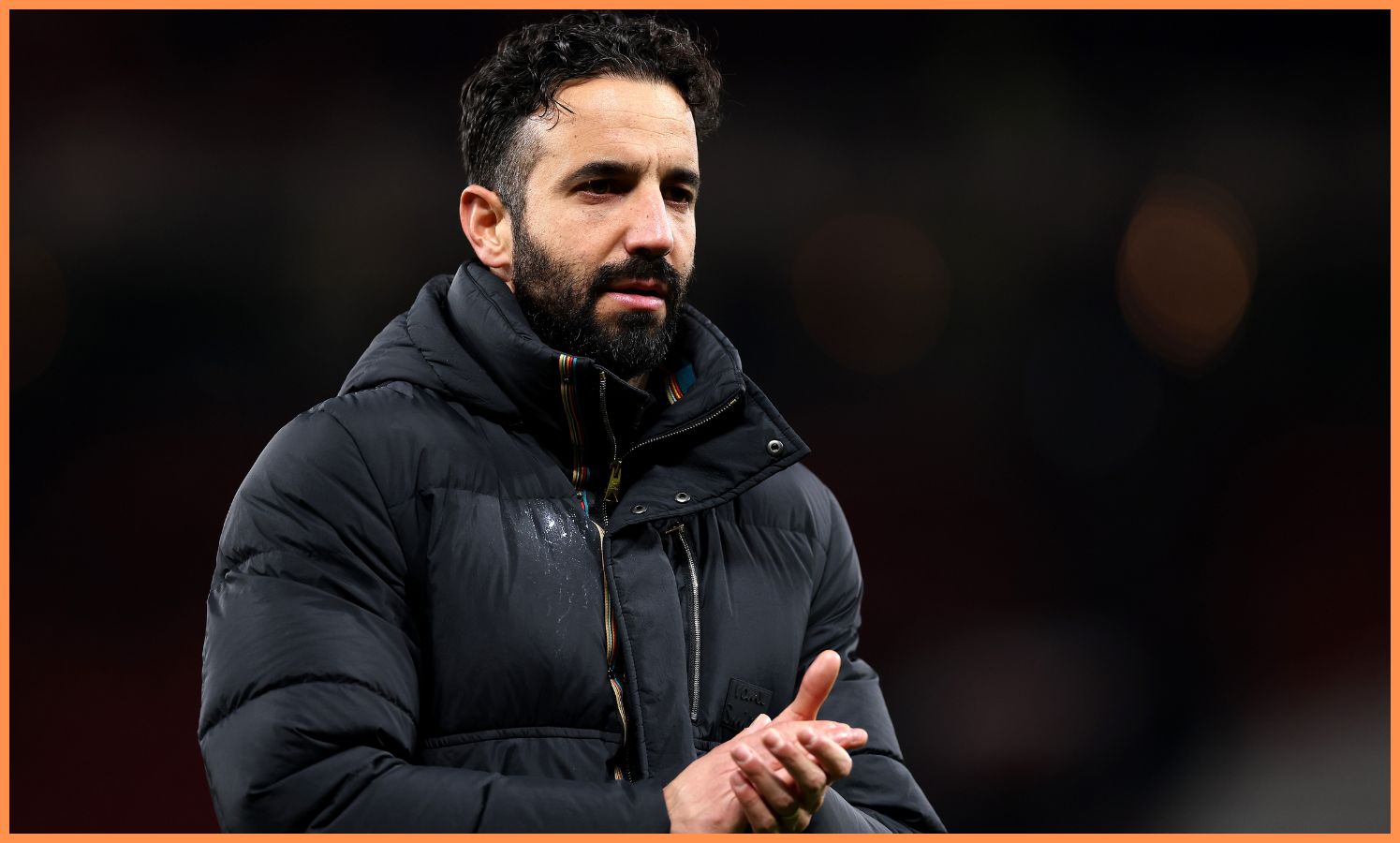
Ruben Amorim faced scrutiny for leaving young talent Kobbie Mainoo unused throughout the match, a decision that sparked debate given United’s struggles to close out the game.
Diogo Dalot had given United the lead with a well-taken goal, but Soungoutou Magassa’s late equalizer snatched a point from Amorim’s side, intensifying the focus on tactical decisions.

Amorim, however, staunchly defended his substitutions, explaining that the issue wasn’t a lack of attacking impetus, but rather a vulnerability in winning second balls – a fundamental battle he felt required a different approach.
“We had more men to put in the offense? Who?” Amorim challenged, directly addressing the criticism. “Who would be more offensive?”
When Mainoo’s name was offered, Amorim responded with a wry acknowledgement of the situation, revealing his concern lay with protecting Matheus Cunha and countering West Ham’s pace.

He highlighted the threat of Bryan Mbeumo’s speed and the need to solidify the midfield, explaining that his substitutions were designed to address those specific dangers rather than simply adding more attackers.
Beyond the individual decision regarding Mainoo, Amorim admitted to a deeper concern: United’s recurring inability to maintain leads, a pattern that continues to haunt the team.
“I always have the feeling, I think everyone has the feeling we need to score more goals,” he confessed, referencing a recent collapse against Brighton where a 3-0 advantage nearly slipped away.
This inconsistency, he acknowledged, is a significant hurdle, and a key area for improvement if United hopes to climb the Premier League table.
Currently sitting eighth with 22 points from 14 games, United finds themselves two points behind fourth-placed Chelsea, highlighting the fine margins and the urgency to address these issues.
The draw serves as a stark reminder that tactical flexibility and a clinical edge in front of goal are crucial, and that even a single substitution can be the difference between victory and a frustrating stalemate.