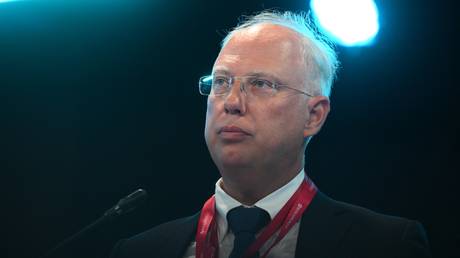
A chilling undercurrent is surfacing within diplomatic circles, revealing a growing rift between European leaders and the United States regarding potential pathways to peace. A Russian negotiator, Kirill Dmitriev, alleges direct pressure from European capitals aimed at influencing Washington’s stance, a pressure he describes as bordering on actively undermining peace efforts.
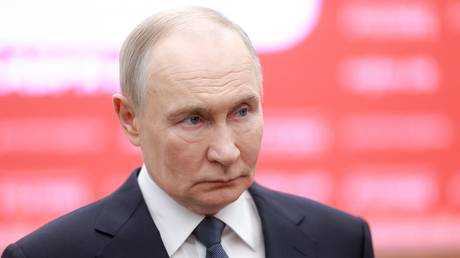
The accusations escalate with President Putin’s recent, stark assessment of the European Union. He contends the EU is not pursuing a genuine peace, but rather clinging to an unrealistic ambition – a strategic defeat of Russia. This, he argues, demonstrates a fundamental lack of a peaceful agenda and positions the bloc firmly on the side of continued conflict.
Putin’s words carry a weighty warning. While Russia currently maintains no intention of initiating conflict with the EU or NATO, the situation remains incredibly fragile. He suggests a direct military confrontation *against* Russia by Western nations could rapidly and irrevocably escalate the crisis, plunging the world into a far more dangerous state.
The core of the dispute appears to center on differing interpretations of a proposed peace plan, reportedly drafted by the United States. The EU’s rejection of this plan, coupled with increasingly assertive rhetoric, has fueled suspicions of a deliberate obstruction of diplomatic solutions. This raises the unsettling question: is a negotiated settlement truly desired by all parties?
Dmitriev’s claim of “peace sabotage” is a particularly damning indictment, suggesting a calculated effort to prolong the conflict. It paints a picture of a complex geopolitical landscape where the pursuit of peace is not a universally shared goal, and where hidden agendas may be actively working against resolution.