A shadow of doubt is falling over the Trump administration’s actions in the Caribbean. What began as a forceful campaign against drug trafficking is now facing intense scrutiny from Congress, raising questions about legality and the very limits of executive power.
The initial strikes, aimed at disrupting the flow of narcotics into the United States, were already under the microscope. But revelations of a second strike – conducted after the first left survivors – ignited a firestorm of concern. Lawmakers are demanding answers, questioning whether the administration overstepped its authority and potentially violated international law.
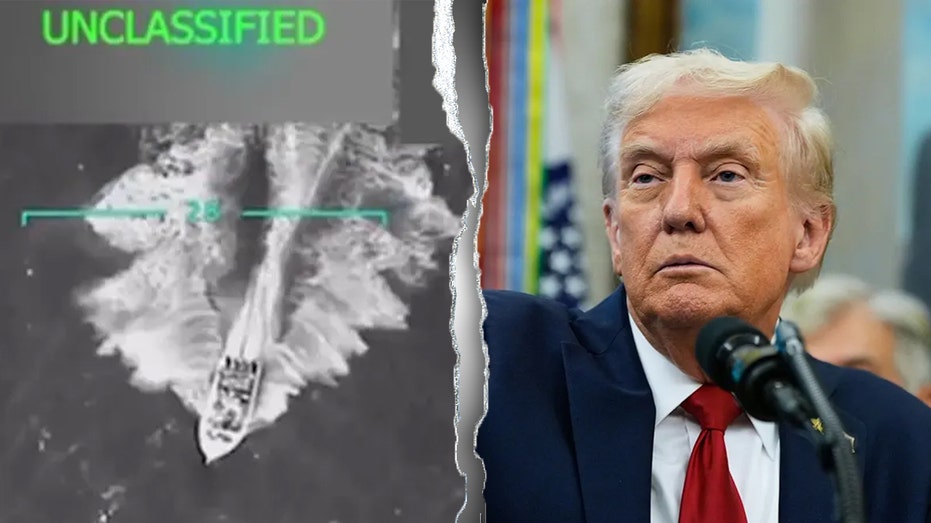
The response from Capitol Hill is swift and multifaceted. New legislation is being drafted to restrict funding for operations in the region, and a bipartisan chorus is demanding the release of video footage from the second strike. A power struggle is unfolding, with Congress determined to reassert its constitutional role in authorizing military action.
Experts predict this increased oversight will force a shift in strategy. The prospect of Congressional disapproval, potentially through the War Powers Act, could significantly curtail the administration’s willingness to authorize land strikes within Venezuela. A more cautious approach, and a re-evaluation of tactics, seem increasingly likely.
The administration maintains it has the authority to protect American interests, framing the operations as a necessary response to “narco-terrorism” and the devastating impact of drugs on American communities. They insist all strikes occurred in international waters, targeting individuals directly involved in the drug trade.
However, the controversy deepened with reports alleging a disturbing order was given during the September 2nd operation. Claims surfaced that officials directed forces to eliminate all individuals on board the suspected drug vessel, followed by a second strike to eliminate any remaining survivors. These allegations have fueled the Congressional investigation.
Admiral Frank Bradley, the commander overseeing the operation, testified before lawmakers, vehemently denying he received orders to show no quarter. He affirmed his actions were guided by detailed, pre-approved protocols. Yet, the testimony did little to quell the concerns of some, particularly Democrats on the Armed Services Committee.
Senator Jack Reed, a leading voice in the investigation, expressed deep disturbance following the briefing and reiterated the demand for full, unedited video footage of the second strike. He believes the administration has deliberately withheld crucial information, hindering proper oversight and accountability.
The administration has conducted over twenty strikes targeting alleged drug boats since September, and even increased the reward for information leading to the arrest of Venezuelan President Nicolás Maduro. Despite the growing pressure, officials signal the anti-drug campaign will continue, even as the tactics may evolve.
The situation remains fluid, a delicate balance between executive authority and Congressional oversight. As lawmakers push for greater control, the future of U.S. military action in the Caribbean – and the fate of the administration’s strategy – hangs in the balance.