A shadow hangs over Minnesota, a chilling tale of alleged widespread fraud that has reportedly siphoned billions of taxpayer dollars. The accusations center around a massive relief program intended to feed children during the pandemic, a program now under intense scrutiny as authorities uncover a web of deceit and potential criminal activity.
State Representative Kristin Robbins, a leading Republican contender for governor, doesn’t mince words. She asserts that during Governor Tim Walz’s tenure, Minnesota has been systematically robbed. “Billions of our tax dollars stolen by people who are criminals,” she stated, painting a stark picture of financial mismanagement and alleged corruption.
The heart of the scandal lies with a nonprofit organization, Feeding our Future, tasked with distributing meals to children. Prosecutors allege that this organization, along with affiliated sites, exploited the system, submitting fraudulent claims and invoices to amass millions during a time of critical need. The scale of the alleged fraud is staggering – upwards of $250 million – and the number of defendants is growing, now exceeding 75.
The investigation has taken a disturbing turn, with the U.S. Treasury now examining whether stolen funds were funneled to Al-Shabab, a Somali-based terrorist organization. This revelation has ignited a firestorm of controversy and raised serious national security concerns. A Republican-led congressional committee has also launched its own investigation into Governor Walz’s handling of the relief program.
The alleged fraud isn’t confined to financial losses. Reports are surfacing of lavish purchases made with the stolen funds – a resort in Kenya, an apartment in Nairobi, even a culinary school in Ohio. These details, brought to light by Robbins, underscore the audacity of the alleged scheme and the depth of the alleged betrayal of public trust.
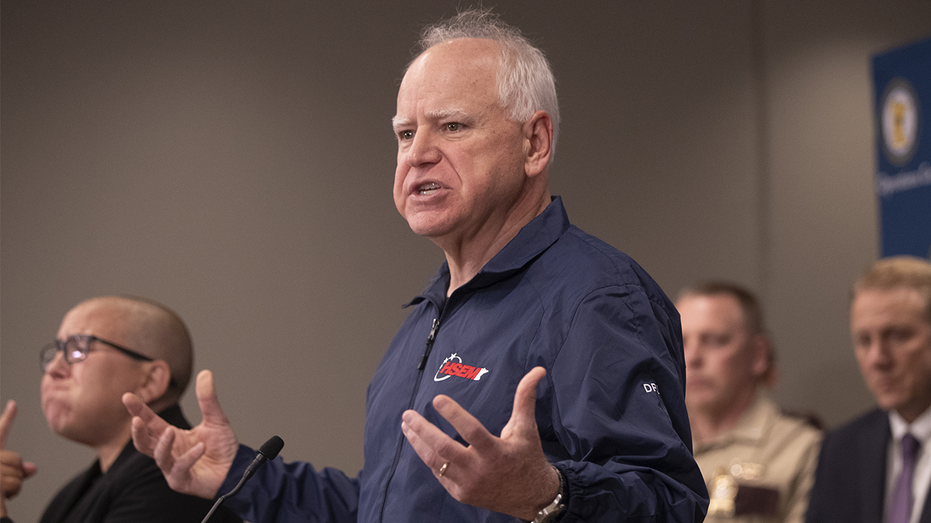
Governor Walz acknowledges the problem, promising accountability and increased safeguards. He insists that programs have been paused, independent audits are underway, and new powers have been enacted to halt fraudulent payments. He vows that those responsible will face imprisonment.
However, Robbins counters that the governor’s response is too little, too late. She argues that his administration already possessed the authority to prevent these abuses but failed to act decisively. “They haven’t been doing it until we really have been holding their feet to the fire and exposing all the fraud,” she claims.
The issue has become deeply intertwined with Minnesota’s large Somali population, a community disproportionately represented among those charged in the fraud. While acknowledging the concentration of alleged fraud within the Somali community, Robbins emphasizes that many within the community are actively working to expose the corruption, risking retribution for doing so.
The political ramifications are significant. Robbins believes her relentless focus on uncovering the fraud positions her as the most qualified candidate to challenge Walz in the upcoming gubernatorial election. She has already unveiled a detailed plan to overhaul internal controls, establish an Office of Inspector General, and hold state employees accountable.
The unfolding scandal promises to dominate the political landscape in Minnesota, raising fundamental questions about accountability, oversight, and the safeguarding of public funds. The stakes are high, and the future of the state may well hinge on how this crisis is resolved.


