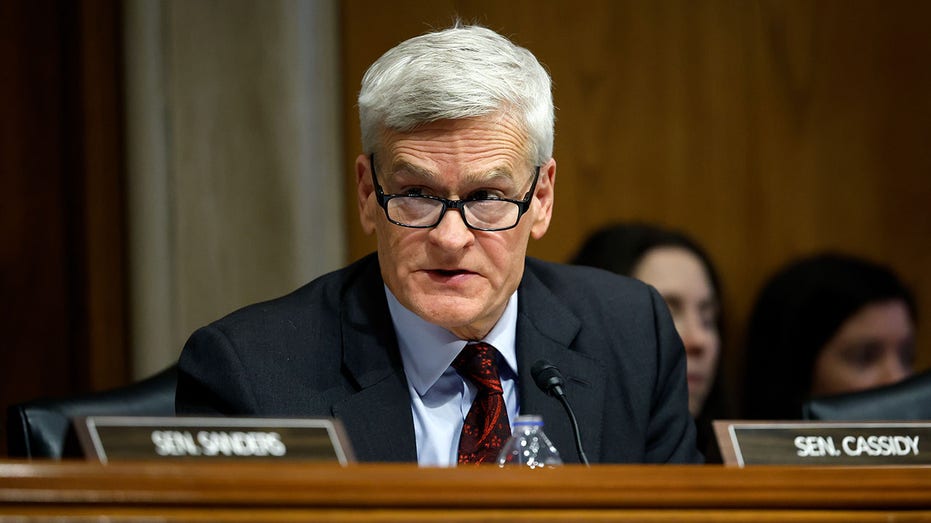
A fierce debate is erupting over newborn vaccinations, with Senator Bill Cassidy urgently appealing to the Centers for Disease Control and Prevention to reconsider proposed changes to hepatitis B (HBV) vaccination guidelines. The senator argues that altering the current schedule would be a dangerous step backward in public health.
The controversy stems from a recent vote by the CDC’s Advisory Committee on Immunization Practices (ACIP) to recommend a shift towards “individual-based decision-making” regarding HBV vaccinations. This means parents, in consultation with their doctors, would decide whether or not to vaccinate their newborns, potentially delaying the first dose until the child is two months old.
Senator Cassidy, a practicing physician specializing in liver disease, vehemently opposes this change. He has spent decades treating patients with hepatitis B and witnessed firsthand the devastating consequences of the virus. He believes the current birth dose recommendation is a critical preventative measure.
Before the universal newborn HBV vaccination program was implemented, approximately 20,000 babies were born with the infection each year. That number has plummeted to fewer than 20, a testament to the vaccine’s effectiveness. Cassidy fears that abandoning the birth dose will inevitably lead to a resurgence of the disease.
The senator didn’t hesitate to directly address concerns about the influence of certain individuals on the ACIP’s decision. He specifically called out attorney Aaron Siri, who has previously represented clients opposing vaccine mandates and worked on a presidential campaign focused on vaccine skepticism.
Cassidy characterized Siri as a litigator profiting from lawsuits against vaccine manufacturers, questioning his expertise on childhood immunizations. He expressed deep concern that the ACIP’s credibility has been compromised, suggesting they are no longer prioritizing the well-being of children.
This dispute is part of a larger pattern of concern from Senator Cassidy regarding federal health policy. He recently criticized the Department of Health and Human Services for reducing funding for mRNA vaccine research, arguing it jeopardizes advancements in preventative medicine.
The stakes are high as the acting CDC Director weighs whether to approve the ACIP’s recommendations. Senator Cassidy’s impassioned plea underscores the profound impact this decision could have on the health of future generations, potentially reversing decades of progress against a serious and preventable disease.