![NARCO-BOAT SHOWDOWN: Coast Guard SNIPERS Deliver JUSTICE! [VIDEO]](https://static.foxnews.com/foxnews.com/content/uploads/2025/12/operation_pacific_viper_dhs.gif)
The Coast Guard cutter Munro achieved a monumental victory this week, intercepting over 20,000 pounds of cocaine in a single, daring operation. This record-breaking seizure, executed in the vast expanse of the Eastern Pacific south of Mexico, represents the largest ever completed by a national security cutter targeting a go-fast vessel.
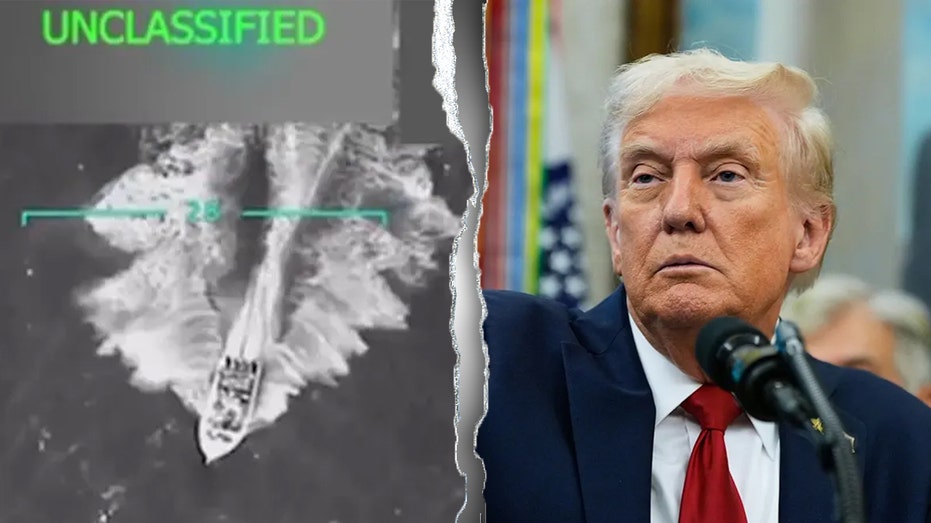
Newly released footage reveals the intensity of the mission. Coast Guard forces, including elite snipers from the Helicopter Interdiction Tactical Squadron (HITRON), skillfully disabled the drug-laden vessel. Precision rifle fire targeted the engines, halting the smugglers in their tracks and paving the way for a complete drug seizure.
The sheer volume of cocaine seized is staggering – enough for over 7.5 million potentially lethal doses. This single operation alone underscores the immense scale of the drug trafficking problem plaguing the region and its devastating potential impact.
Operation Pacific Viper, launched in August, is a collaborative effort between the Coast Guard and Navy, designed to disrupt the flow of illegal narcotics towards the United States. It’s a focused response to a growing threat, aiming to dismantle the networks fueling the crisis.
By October, Operation Pacific Viper had already yielded an astonishing 100,000 pounds of cocaine seized from the Eastern Pacific. This equates to an average of 1,600 pounds removed from the supply chain *every single day* – a relentless pace of interdiction.
HITRON snipers play a crucial role in these operations. Their expertise in disabling vessels with precise engine shots is invaluable, minimizing risk to Coast Guard personnel and maximizing the chances of a successful boarding and seizure.
Go-fast vessels are the preferred method of transport for drug smugglers in the Caribbean, prized for their speed and maneuverability. Countering these vessels requires specialized tactics and highly trained personnel like those within HITRON.
The Coast Guard’s recent successes culminated in a fiscal year haul of nearly 510,000 pounds of cocaine – the largest in the service’s history. This represents 193 million potentially lethal doses, a quantity that could endanger over half the U.S. population.
This year’s seizure total dramatically exceeds the service’s annual average of roughly 167,000 pounds, highlighting a significant escalation in both interdiction efforts and the volume of drugs being smuggled. The numbers paint a stark picture of the ongoing battle.
A firm stance against drug trafficking has been adopted, with certain cartel groups designated as foreign terrorist organizations. This designation reflects a recognition of the direct link between drug trafficking and broader national security concerns.
Beyond Operation Pacific Viper, direct action has been taken against suspected drug vessels in Latin American waters, with at least 21 strikes conducted since September. These actions, while controversial, demonstrate a commitment to disrupting the source of the problem.
Concerns have been raised regarding the legality of these strikes, particularly after reports surfaced of survivors left behind following an initial engagement. Despite these questions, officials maintain the authority to take decisive action against those involved in the drug trade.
Legislative efforts to limit the scope of these actions have been introduced, but the commitment to combating drug trafficking remains unwavering. The message is clear: the fight against narco-terrorism will continue.
Officials have stated that these strikes are just the beginning, a clear indication of a long-term strategy to dismantle drug cartels and protect the American people from the devastating consequences of the drug trade.