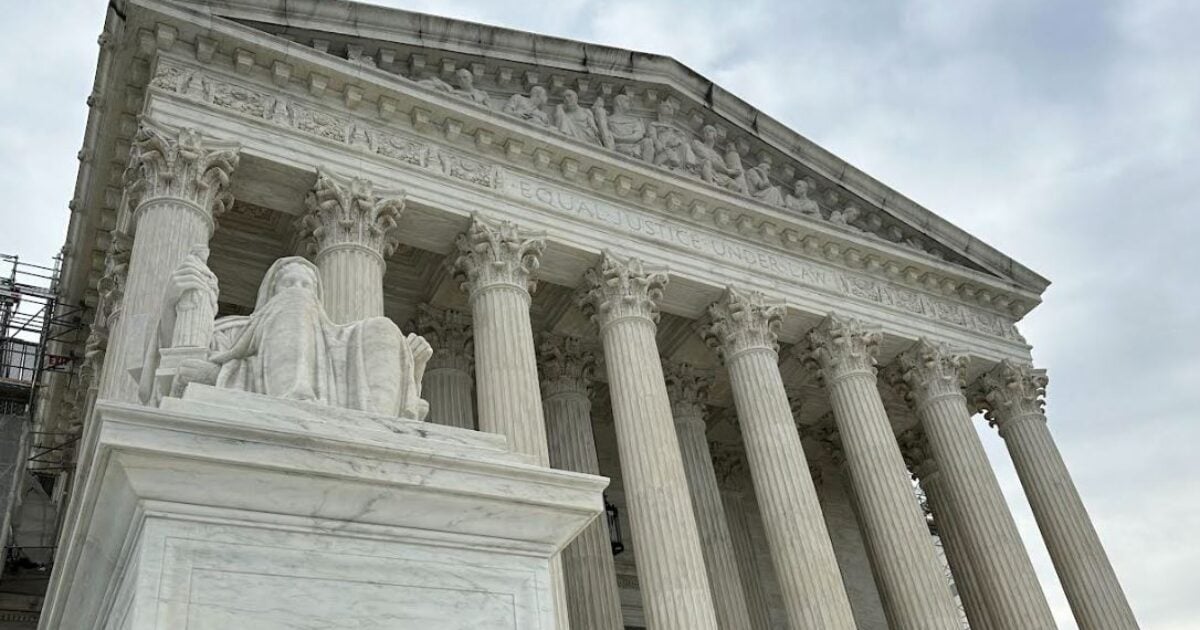
The nation’s highest court has agreed to hear a case with potentially seismic implications for American citizenship. The Supreme Court will now determine the constitutionality of a controversial executive order issued by former President Trump, challenging the long-held principle of birthright citizenship.
The legal battle began when President Trump, early in his second term, formally requested the Supreme Court to dismantle birthright citizenship as it’s currently understood. This action ignited a swift and forceful response from Democratic attorneys general, who immediately filed suit to block the order.
Multiple federal judges had already intervened to halt the implementation of Trump’s executive order. Judge John Coughenour, appointed by President Reagan, issued a nationwide temporary injunction, preventing the order from taking effect while the legal challenges unfolded.
Judge Leo Sorokin, an Obama appointee in Massachusetts, went further, issuing a 31-page ruling that explicitly warned of the lasting damage that could be inflicted by even temporary denial of citizenship. He argued that such a loss could leave “permanent scars” on individuals and families.
At the heart of the dispute lies the interpretation of the 14th Amendment. The former President’s order asserted that the amendment has been wrongly interpreted by some to extend citizenship to children born to parents who are unlawfully present in the United States – often referred to as “anchor babies.”
The executive order specifically directed federal agencies to cease issuing citizenship documents to individuals born in the U.S. under these circumstances: when the mother was unlawfully in the country and the father wasn’t a citizen or lawful permanent resident, or when the mother’s presence was temporary and the father lacked citizenship status.
The former administration argued that the 14th Amendment was never intended to provide universal birthright citizenship. They maintained that the phrase “subject to the jurisdiction thereof” historically excluded individuals not fully connected to the United States.
Supporting this claim, the order pointed to existing legislation mirroring the 14th Amendment’s language, defining a “person born in the United States, and subject to the jurisdiction thereof” as a national and citizen at birth. This, they argued, demonstrated a consistent, limited understanding of the amendment’s scope.
This case marks the first major immigration policy from the former President’s agenda to be fully evaluated by the Supreme Court on its legal merits. Previously, the justices had addressed other immigration-related challenges through emergency requests and at earlier stages of litigation.
The Supreme Court’s decision will undoubtedly reshape the landscape of citizenship law in the United States, impacting future generations and raising fundamental questions about who is considered an American citizen.