A curious reversal is unfolding in Canadian politics. For months, anxieties have simmered over potential American protectionism, fears of tariffs jeopardizing Canadian livelihoods. Yet, a prominent voice is now criticizing a Canadian company for *selling* to the United States.
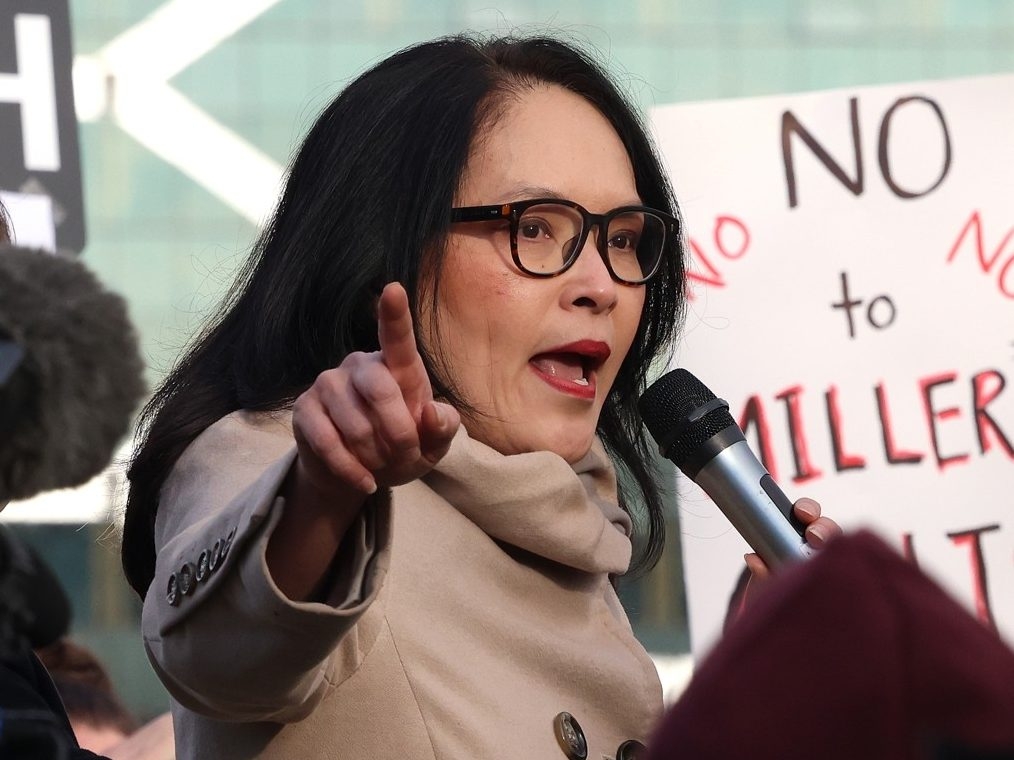
Jenny Kwan, a Member of Parliament, has voiced strong objections to a $10 million CAD contract between U.S. Immigration and Customs Enforcement (ICE) and Roshel, a Canadian manufacturer, for twenty armored vehicles. Her argument centers on the idea that Canadian industries should prioritize human rights and avoid contributing to the militarization of organizations with questionable practices.
However, a critical detail is missing from this narrative. The vehicles aren’t being built in Canada. Roshel maintains a facility in Michigan, and it is this American plant that will fulfill the order. This fact significantly alters the context of Kwan’s protest, raising questions about the true motivations behind her opposition.
Roshel’s Brampton, Ontario facility, employs approximately 500 people and is currently focused on producing armored personnel carriers destined for Ukraine, aiding in their defense against ongoing conflict. The company’s ability to contribute to international security seems to pose no issue, yet a sale to American law enforcement sparks outrage.
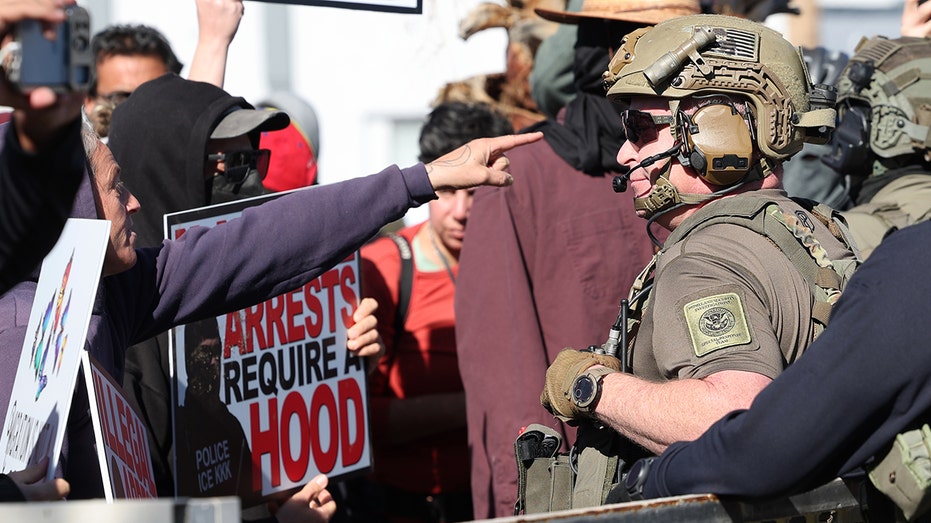
The escalating violence directed towards ICE agents appears to be the core reason for the increased need for enhanced protection. Recent reports reveal a dramatic surge in assaults against ICE personnel – a staggering increase from 19 reported incidents last year to 238 this year. This isn’t simply about policy disagreements; it’s about physical safety.
A disturbing example of this hostility surfaced recently when a gang leader, residing in the United States illegally, publicly offered a $10,000 bounty for the death of each ICE agent. This chilling act, coupled with online threats and harassment, paints a picture of a dangerous environment for those tasked with enforcing immigration laws.
The rhetoric fueling this animosity is not confined to the fringes. Political activists and even some politicians have contributed to a climate of hostility, creating an atmosphere where violence against law enforcement is not only tolerated but actively encouraged. This context is crucial to understanding ICE’s need for improved security measures.
Kwan’s opposition extends beyond this specific contract. She has previously advocated for allowing entry to a musical act known for supporting terrorist organizations, despite government concerns. This pattern suggests a consistent alignment with a particular ideological stance, one that appears to prioritize political allegiances over practical considerations and safety concerns.
The situation highlights a complex interplay of political motivations, international trade, and domestic security. While legitimate concerns about human rights are always important, the selective outrage and disregard for crucial facts raise serious questions about the true agenda driving this controversy.