A desperate plea echoes from the heart of Ontario’s cities. Mayors representing 29 of the province’s largest municipalities have united, demanding the declaration of a state of emergency as they grapple with a spiraling crisis of homelessness, mental health struggles, and addiction.
The situation has reached a breaking point, described as a “community safety and humanitarian crisis.” These leaders aren’t simply requesting more funds; they’re signaling a system overwhelmed, stretched to its absolute limit, and unable to adequately care for its most vulnerable citizens.
Cities are bearing a disproportionate financial burden. In 2024 alone, municipalities covered over half of the $4.1 billion spent on homelessness and housing programs – a cost that is rapidly becoming unsustainable. Mayors acknowledge they’ve already exhausted local resources, digging deep to provide essential support.
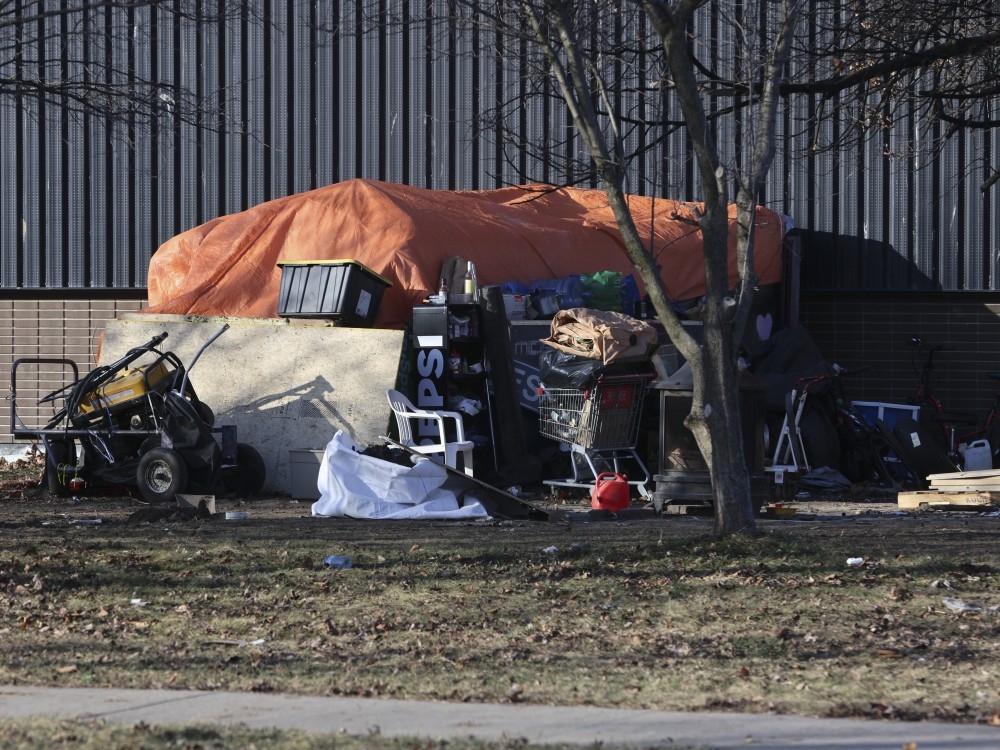
The core argument isn’t about municipal finances, but about fundamental human decency. Leaders insist that addressing homelessness shouldn’t rely on property taxes, yet they continue to allocate funds because allowing people to suffer on the streets is simply unacceptable. It’s a commitment born of compassion, but one they can’t maintain indefinitely.
The province counters with figures highlighting substantial investment. $75.5 million is allocated to supportive and affordable housing, alongside $1.7 billion distributed to municipalities for supportive housing initiatives. Furthermore, nearly $550 million is dedicated to establishing 28 “HART” hubs – centers for homelessness and addiction recovery treatment.
However, mayors argue these investments fall drastically short of what’s needed. A recent report from the Association of Municipalities of Ontario estimates a staggering $11 billion investment is required over the next decade to truly address and ultimately end homelessness across the province.
The crisis isn’t static; it’s escalating. Toronto’s Deputy Mayor Paul Ainslie underscores the urgency, stating that while provincial support is appreciated, it’s simply insufficient. The scale of the problem demands a collaborative effort, one where municipalities aren’t left to shoulder the responsibility alone.
The closure of supervised consumption sites, a consequence of new provincial regulations restricting their proximity to schools and daycares, has further complicated the landscape. While the HART hubs aim to fill the gap, concerns remain about accessibility and the continuity of care for those most in need.
This isn’t a political dispute over funding formulas; it’s a human tragedy unfolding in plain sight. The mayors’ unified call for a state of emergency is a stark warning: the current approach is failing, and a radical shift in strategy – and investment – is urgently required.
The future of countless individuals hangs in the balance, and the stability of Ontario’s communities is at risk. The question now is whether the province will heed the mayors’ desperate plea and commit to a truly comprehensive solution.