In the world of biotechnology and pharmaceuticals, temperature isn't just a factor – it's the guardian of safety and efficacy. A fraction of a degree can mean the difference between groundbreaking research and compromised materials. Installing the cooling systems that maintain this delicate balance demands unwavering precision, a commitment to detail that begins long before the first component is even unwrapped.
The foundation of a reliable ultra-low temperature system isn’t simply the technology itself, but the meticulous preparation that precedes it. Forward-thinking organizations understand that true system reliability is built on a solid plan, a structurally sound installation, and rigorous validation – a process that anticipates and mitigates potential issues before they arise.
The initial planning phase is a deep dive into the technical landscape. Installers must thoroughly assess environmental factors – humidity levels, potential heat sources, and even the subtle shifts in airflow – that can impact cooling performance. A comprehensive understanding of these constraints is paramount.
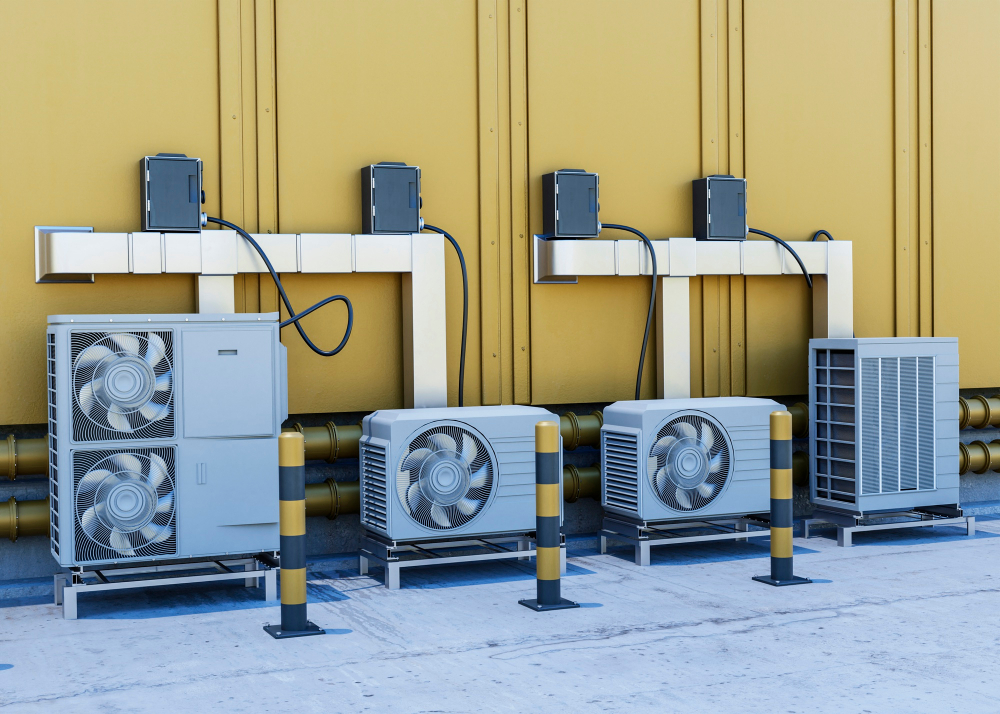
Engineers meticulously inspect the installation zone, verifying consistent ambient conditions throughout the day. Ultra-low temperature systems are particularly vulnerable to external heat loads, making any environmental inconsistencies a critical concern that must be addressed proactively. Equally important is a thorough assessment of electrical capacity, ensuring the facility can handle the substantial power demands of these systems.
Structural integrity is non-negotiable. Ultra-low temperature cooling units, with their reinforced frames and large heat exchangers, are substantial in weight. Engineers must confirm that the floor structures can not only support this static load but also withstand the vibrations generated during operation. Space allocation is equally crucial, providing adequate clearance for airflow, maintenance, and safe access.
Beyond simply fitting the equipment into a space, careful consideration must be given to vibration dampening – installing specialized pads beneath the unit – and ensuring transport routes can accommodate its dimensions and weight. In some cases, floor reinforcement or protective guards may be necessary, particularly in facilities with vehicle traffic.
Achieving uniform temperatures within storage chambers hinges on intelligent airflow planning. The goal is to eliminate warm pockets and establish predictable cooling cycles. Evaporator placement is a key element, as improper positioning can lead to temperature layering and delayed recovery after door openings. Installers utilize calibrated probes to meticulously test and refine airflow patterns.
Air circulation guides and baffles are strategically implemented to redirect airflow, ensuring balanced distribution across shelves, racks, and enclosed storage areas. This precise control is essential for maintaining the integrity of sensitive materials.
Insulation is arguably the most influential factor in ultra-low temperature performance. Any gap in insulation invites moisture infiltration, which subsequently freezes, causing structural stress and compromising efficiency. Continuous, unbroken coverage around every line, panel, and joint is vital.
The selection of insulation materials is equally critical. Standard refrigeration materials can become brittle and crack at extremely low temperatures. Installers opt for specialized elastomers and foams designed to withstand cryogenic environments, maintaining their flexibility and integrity over time.
Industry best practices include applying vapour barriers to prevent moisture migration, conducting infrared inspections to identify thermal irregularities, and sealing all penetrations with low-temperature adhesives. Rigorous testing of insulation adhesion under operating conditions ensures long-term performance.
Electrical integration demands a focus on protecting the system from voltage irregularities and ensuring continuous operation. Extreme temperatures amplify sensitivity to power disturbances, making proper grounding, phase balancing, and surge protection devices essential. All circuits are carefully verified for load capacity and isolated from unrelated equipment.
Control panels are strategically positioned outside areas exposed to cold air, preventing condensation and extending component lifespan. Cables routed near cold surfaces are selected for their flexibility, minimizing the risk of cracking and ensuring reliable connectivity.
Commissioning is the moment of truth – a systematic process of verifying that the system performs precisely as designed. This involves gradual temperature reduction and continuous monitoring of both mechanical and electronic components. Technicians meticulously check compressors, evaporators, and control sensors, evaluating cooling capacity and identifying any unusual behaviour.
Performance testing simulates real-world operational conditions, utilizing calibrated loads and repeated access cycles to assess temperature recovery. Research facilities validate temperature uniformity with strategically placed measurement blocks throughout storage chambers.
Operating ultra-low temperature cooling systems requires specialized training. Exposure to extreme cold presents inherent health and safety risks, making proper operator education paramount. Training encompasses the correct use of protective gear, emergency response procedures, and the ability to recognize warning signs like abnormal frost patterns or unexpected noises.
Long-term operational success relies on consistent maintenance. Ultra-low temperature systems endure greater stress than conventional refrigeration, underscoring the importance of proactive care. Digital monitoring platforms track compressor cycles, temperature trends, and energy consumption, enabling early detection of deviations and preventing potential failures.
Regular lubrication, sensor calibration, and inspection of air cycle or vacuum components extend service life and maintain optimal efficiency. This commitment to preventative maintenance safeguards valuable materials and minimizes downtime.
Ultimately, reliable performance from ultra-low temperature systems is the direct result of precision installation. Each stage – from meticulous planning to rigorous commissioning – contributes to long-term stability and energy efficiency. Facilities that prioritize these best practices not only reduce operational risks but also gain a strategic advantage, protecting valuable assets and ensuring the integrity of their critical work.