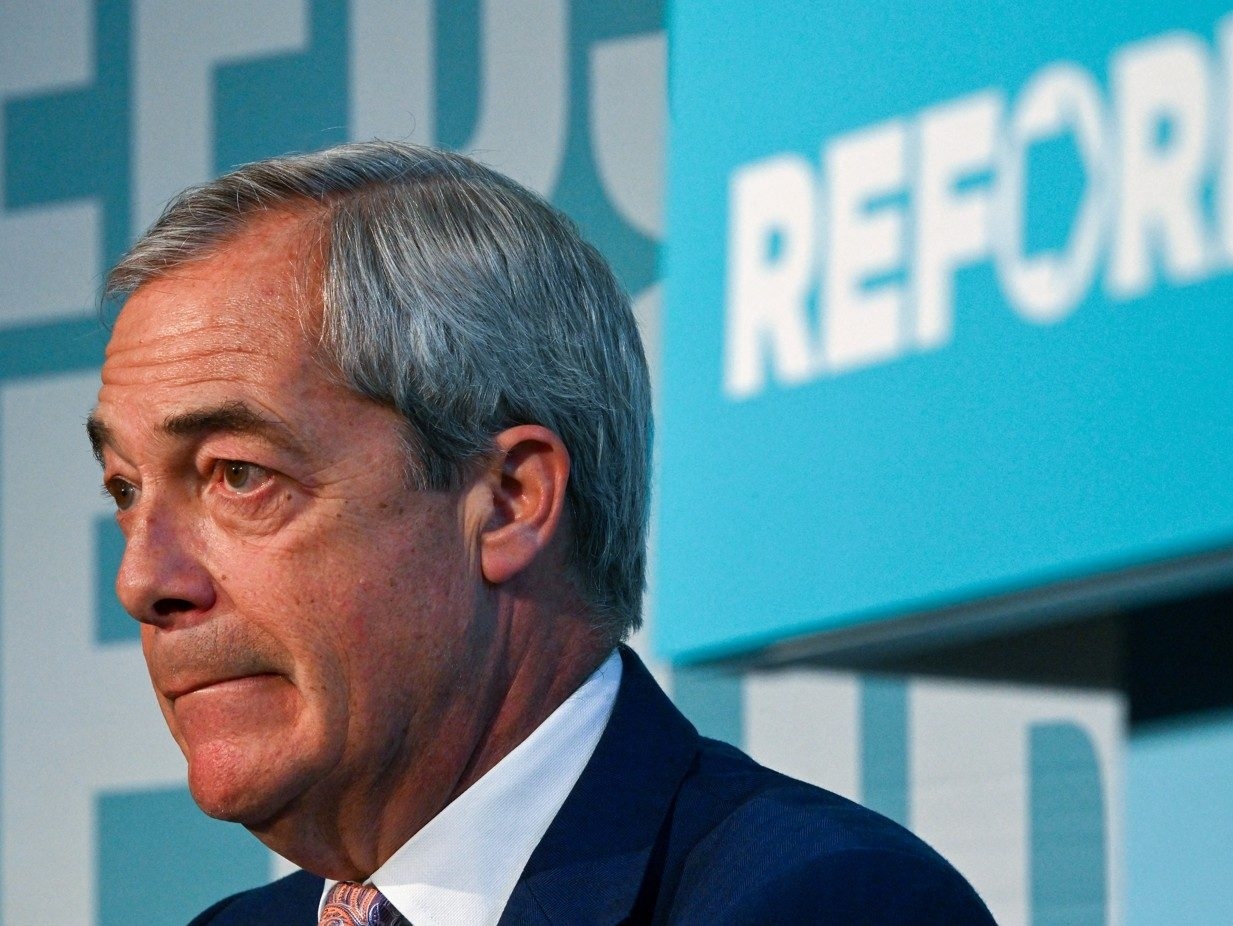
A chilling echo of a past scandal is reverberating across the United Kingdom, threatening the political ambitions of Nigel Farage. It recalls the moment, in the final weeks of the 2016 US presidential election, when a shocking tape surfaced revealing deeply disturbing comments made by Donald Trump.
That tape, published by a major American newspaper, contained language that was widely condemned as misogynistic and offensive. Despite the uproar, it ultimately failed to derail Trump’s campaign, prompting a difficult question about the priorities of voters. Now, a similar controversy is unfolding with Farage, leader of Reform UK, a party often compared to the MAGA movement in the United States.
Unlike the Trump scandal, there’s no single recording fueling the current firestorm. Instead, a wave of accusations has emerged from nearly thirty former schoolmates, all coming forward to detail Farage’s behavior during his time at Dulwich College in the 1970s and early 1980s. Their accounts, investigated by prominent news organizations, paint a disturbing picture.
The allegations are deeply troubling, including claims that Farage made statements echoing Nazi ideology, specifically referencing Hitler and the horrors of the gas chambers to Jewish students. Other accusations detail the use of racial slurs against Southeast Asian pupils, repeatedly telling them to leave the country.
Perhaps the most shocking claim involves a song Farage allegedly taught to younger military cadets, filled with hateful lyrics targeting both Jewish and Black individuals, explicitly referencing gassing and showers – a chilling allusion to the Holocaust. The details are harrowing and have ignited a national debate.
Farage’s response has been reminiscent of Trump’s dismissal of the infamous tape as “locker room banter.” He held a press conference, vehemently denying wrongdoing while simultaneously suggesting that any past offenses were no worse than those committed by the media itself, even announcing a boycott of one major broadcaster.
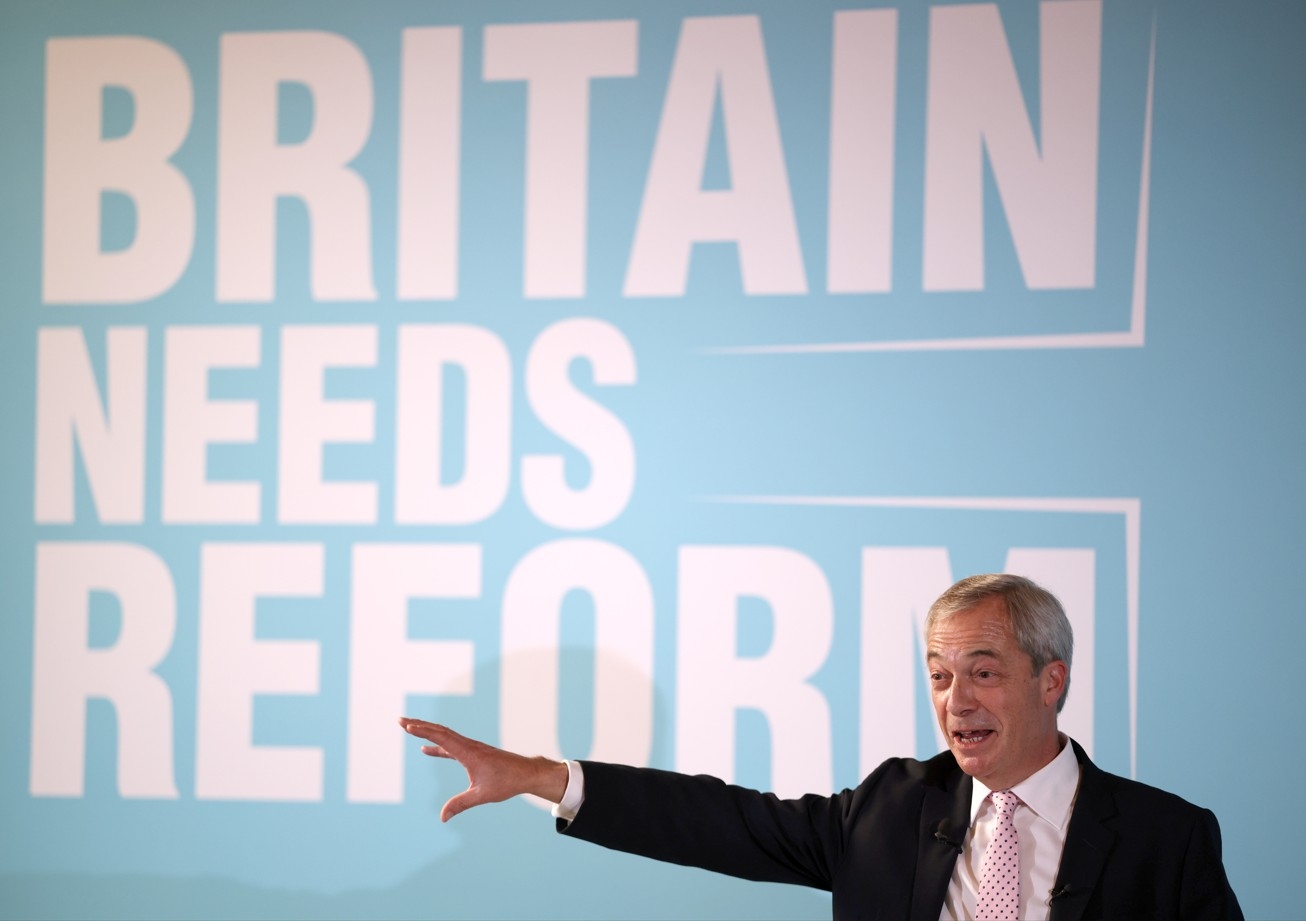
He insisted he would “never directly hurt anyone,” a statement that sidestepped the question of indirect harm. His legal team has also launched a series of threatening letters to news outlets, but the accusations continue to surface and gain traction, fueling a growing scandal.
The timing of these revelations is particularly damaging. Before the story broke, Reform UK was gaining significant ground in the polls, even surpassing the governing Labour Party. While the party’s overall support has dipped slightly, Farage’s personal approval ratings have experienced a more noticeable decline.
This shift in public perception could prove critical, potentially eroding the “anti-woke Teflon” coating that has shielded Farage from criticism for years. Whether this scandal will ultimately derail his ambitions to become Prime Minister remains to be seen.
One former schoolmate, a conservative banker, described Farage as “personal and vindictive” towards minorities. Such behavior, while increasingly common in the political arena, raises a fundamental question: will British voters react with the same indifference shown by many Americans in 2016, or will they demand a higher standard from their leaders?
The scandal shows no signs of fading, and the coming months will be crucial in determining whether Farage can weather this storm and continue his ascent in British politics. The echoes of the past are loud, and the stakes are undeniably high.