A chilling statistic offers a flicker of hope: the United States has recorded seventeen mass killings so far this year, marking the lowest number since 2006. This count, meticulously tracked by a national database maintained through a collaborative effort, represents a stark reality, yet a potential shift in a deeply troubling trend.
The database defines a mass killing as the intentional death of four or more individuals within a single 24-hour period, excluding the perpetrator. While firearms were involved in the majority of these tragedies – fourteen out of the seventeen – the incidents weren’t limited to gun violence.
Investigators have found that the remaining three mass killings involved other brutal methods, typically stabbings, deliberate arson, devastating blunt-force trauma, or the weaponization of vehicles. These alternative methods underscore the complex and varied nature of these horrific events.
Criminologist James Alan Fox, who helps oversee the database, notes a significant decrease of approximately 24% in mass killings compared to the previous year. 2024 itself had already shown a roughly 20% decline from 2023, suggesting a possible, though fragile, downward trajectory.
However, Fox cautions against premature optimism, emphasizing the volatile nature of these statistics. He warns that yearly totals fluctuate dramatically, and even a small increase in incidents could quickly reverse the current trend. “What goes down must also go back up,” he stated.
Professor James Densley echoes this sentiment, pointing out that the relatively small number of mass killings each year means even minor changes can appear substantial. He stresses that while 2025 appears promising in historical context, it doesn’t signify the problem has vanished.
Densley suggests the decline may be linked to broader national trends, including falling homicide and violent crime rates following the spikes experienced during the COVID-19 pandemic. These interconnected factors paint a complex picture of societal violence.
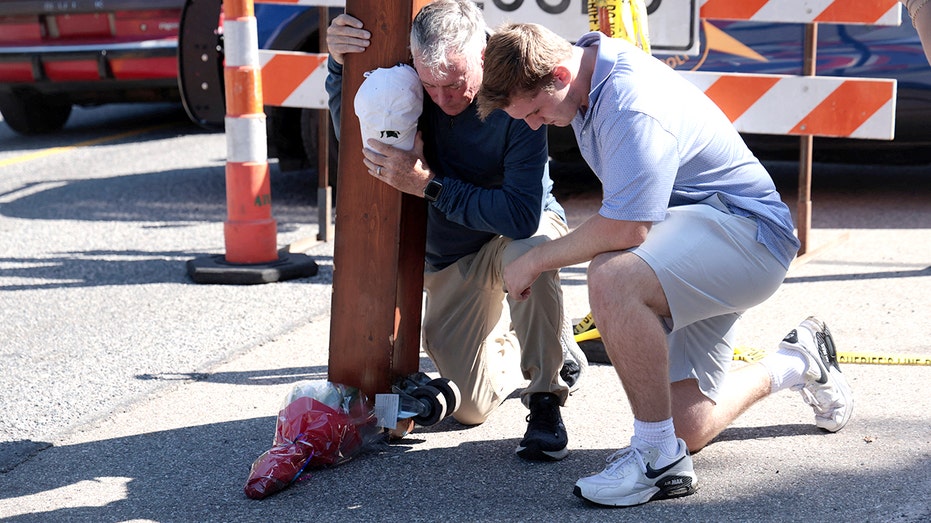
Improvements in emergency response to mass casualty events are also believed to be playing a role. The shooting at an Annunciation Catholic Church in Minnesota, where swift action by first responders limited the death toll to two despite numerous injuries, serves as a powerful example.
The quick access to advanced trauma care, particularly near leading children’s hospitals, proved critical in saving lives. This highlights the importance of preparedness and immediate medical intervention in mitigating the impact of these attacks.
Despite the overall decline, the recent shooting at a child’s birthday party in California, claiming the lives of four people – including three children – serves as a heartbreaking reminder of the ever-present threat. The senseless loss underscores the urgent need for continued vigilance.
In 2019, the database recorded a staggering 49 mass killings, the highest annual total since tracking began in 2006. This peak serves as a grim benchmark, illustrating the potential for devastating escalation and the importance of understanding the factors that contribute to these events.
The current decrease, while encouraging, remains a delicate balance. Experts agree that sustained efforts to address the root causes of violence, coupled with improved response capabilities, are essential to ensure this downward trend continues and prevents future tragedies.