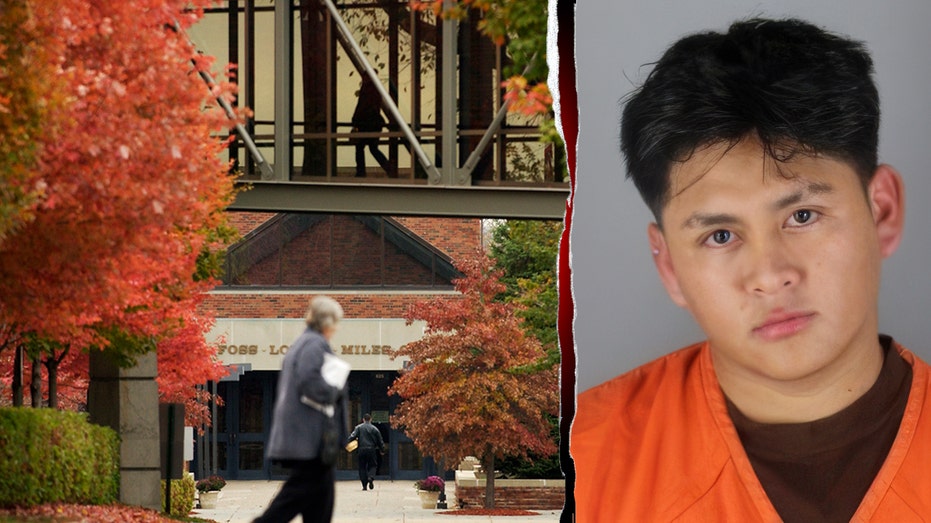
A quiet Minneapolis college has become the epicenter of a fierce dispute, ignited by accusations that staff actively interfered with federal law enforcement. The Department of Homeland Security alleges that Augsburg University personnel deliberately obstructed Immigration and Customs Enforcement (ICE) agents attempting to arrest a student.
The focus of the controversy is Jesus Saucedo-Portillo, identified by DHS as an individual unlawfully present in the country and a registered sex offender with a prior impaired driving conviction. ICE agents moved to apprehend Saucedo-Portillo, but encountered immediate resistance upon arriving at the university campus.
According to DHS, a university administrator and campus security personnel attempted to physically prevent ICE agents from carrying out the arrest, despite being informed of a valid warrant. The administrator reportedly asserted that ICE’s actions violated university policies, a claim swiftly countered by federal officials.
ICE officials stated they clearly explained that federal law overrides any university regulations, and warned that obstructing their departure would constitute a criminal offense. Despite this direct warning, the administrator allegedly maintained the blockade, ordering campus security to impede the ICE vehicle.
Agents ultimately utilized minimal force to clear a path and successfully complete the arrest. The incident has sparked a clash of narratives, with Augsburg University President Paul Pribbenow offering a dramatically different account.
Pribbenow confirmed Saucedo-Portillo’s enrollment but disputed the legality of the arrest, claiming ICE lacked a warrant. He further alleged that agents brandished their weapons in front of students and staff, triggering a campus security response.
The university president lauded the students who intervened, describing their actions as courageous despite the “hectic and traumatic” circumstances. Pribbenow maintained that no one violated the school’s code of conduct, despite the DHS allegations of obstruction.
The university has remained largely silent beyond Pribbenow’s initial statements, declining to respond to repeated requests for further comment. The case raises complex questions about sanctuary policies, federal authority, and the responsibilities of educational institutions.
The unfolding situation has drawn intense scrutiny, highlighting the growing tensions surrounding immigration enforcement and the rights of individuals facing deportation, even those with criminal records. The legal and ethical implications of the university’s actions are likely to be debated for some time.