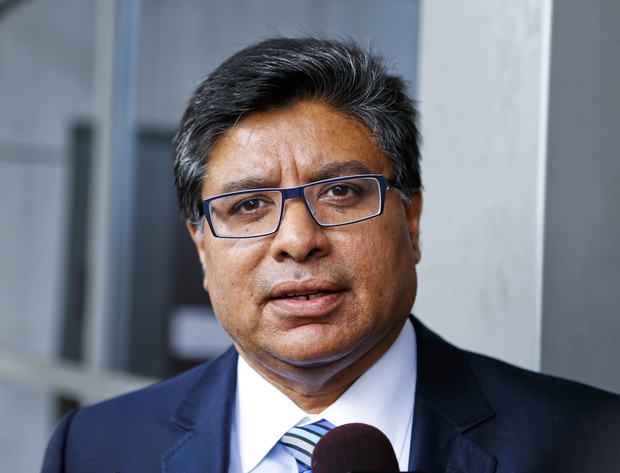
Deepak Paradkar, a Toronto lawyer, faces a chilling wait until December 23rd – the day a judge will decide if he remains imprisoned while facing extradition to the United States. The charges are staggering: cocaine trafficking and conspiracy to commit murder, allegations that plunge him into the dark world of Ryan Wedding’s international drug empire.
The courtroom revealed a disturbing picture painted by American investigators. They claim Paradkar wasn’t merely a legal advisor, but a central figure in a vast drug trafficking network, directly implicated in two calculated murders orchestrated by Wedding, the former Olympic snowboarder turned alleged kingpin.
A confidential informant’s testimony is particularly damning, alleging Paradkar advised Wedding to silence an FBI informant in Colombia. The chilling outcome? The informant was executed with five bullets to the head while enjoying a meal with friends in Medellin in January 2025 – a brazen act of violence that underscores the ruthlessness of the organization.
Further evidence presented detailed a text conversation from October 2024 between Paradkar, Wedding, and Andrew Clark, a key lieutenant. The discussion centered on eliminating drug couriers arrested in Arkansas, revealing a cold calculation to protect their operation at any cost.
Federal Crown attorney Heather Graham argued the evidence against Paradkar is “very strong.” Two trucks carrying a massive 521 kg of cocaine, shipped by Wedding from California, had been intercepted in Arkansas. Examination of Clark’s phone uncovered an encrypted chat, “911 arkansas,” where the three men allegedly debated the fate of the captured couriers.
When the conversation turned to murder, Paradkar allegedly instructed the others to delete the incriminating exchange and establish a separate, private channel for legal discussions. While the judge questioned if this proved direct involvement in a murder plot, Graham countered with a stark question: “Isn’t it enough that he was captured in a conversation telling co-conspirators to delete evidence about killing somebody?”

Despite the gravity of the allegations, Justice Bawden appeared hesitant to deny Paradkar bail. He reasoned that fleeing would mean abandoning a fulfilling life, deeply rooted in Canada with a devoted family. He acknowledged Paradkar’s precarious health, suggesting flight would be an unthinkable sacrifice.
Graham vehemently disagreed, arguing that facing extradition meant surrendering everything – potentially life in a U.S. prison. She also dismissed the health concerns, suggesting Wedding’s vast resources could provide Paradkar with access to superior care. More ominously, she warned Paradkar’s life could be in danger if released, fearing retribution from Wedding if he were to cooperate with authorities.
The Crown emphasized the organization’s history of eliminating threats, and the judge conceded Paradkar’s safety would be paramount if granted bail. Graham concluded by arguing that releasing a suspended lawyer facing such serious allegations would shatter public confidence in the justice system, particularly given the alleged “offensive conduct” – including counseling a murder that was carried out in a public execution.

Yet, a sense of skepticism lingered. In an era where bail is often granted, the idea of Paradkar remaining imprisoned while awaiting extradition seemed increasingly unlikely, a sentiment that challenges the public’s expectations of justice in the face of such extraordinary accusations.