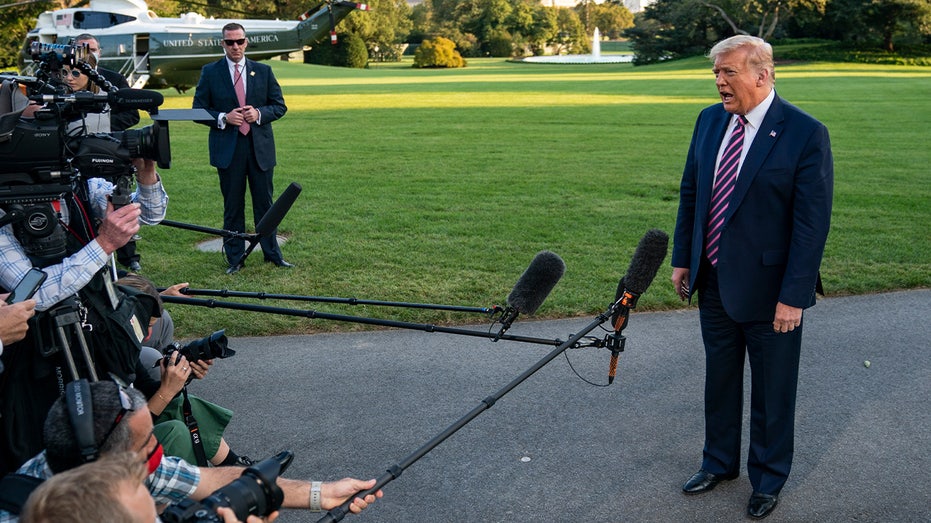
A meticulously detailed, internal schedule reveals the relentless pace of President Trump’s days since December 1st. The document, spanning twelve days, paints a picture of a leader deeply immersed in his duties, often working from early morning well into the evening.
Recent media scrutiny has focused on the President’s age and stamina, a narrative that sharply contrasts with the earlier coverage of a previous administration. Questions surrounding Trump’s health emerged following observations of swelling and bruising, prompting explanations from the White House regarding benign conditions common in individuals over seventy.
The schedule itself tells a different story. On a typical day, the President engages in roughly ten hours of scheduled events – averaging over twenty meetings, calls, and appearances. Some days surge past thirty engagements, demonstrating a demanding workload.
December 1st exemplified this intensity. The President’s day began at 8:30 a.m. with a call to his chief of staff, swiftly followed by conversations with the Speaker of the House and a rally appearance. A flurry of rapid-fire meetings with key advisors then filled the morning hours.
The day didn’t relent, continuing with a bill signing, a Christmas reception, and further consultations with his Secretary of State and trade team. This pattern wasn’t an anomaly; December 3rd saw a staggering thirty-two scheduled events, stretching from 9 a.m. to 7:30 p.m.
His longest workday, recorded on December 9th, stretched an impressive thirteen hours and nine minutes. It culminated in a speech delivered in Pennsylvania, focused on his economic policies, after a full day of calls and meetings.
A significant portion of the President’s time is dedicated to international affairs and economic strategy. The schedule reveals eleven meetings or calls with the Secretary of State, eight sessions with heads of state, and consistent engagement with business leaders – including seventeen direct CEO calls.
Even seemingly lighter days, like Saturday, December 6th, included important engagements with Kennedy Center leadership and honorees, demonstrating a commitment to cultural events alongside official duties.
The White House has consistently responded to health-related inquiries with detailed reports from medical professionals. Recent MRI scans were described as routine and preventative, confirming the President’s overall good health and cardiovascular well-being.
Officials have also pointed to a perceived double standard in media coverage, contrasting the scrutiny of Trump’s health with the earlier lack of attention given to concerns about a previous president’s mental acuity. A special counsel’s report had previously described that former president as “a sympathetic, well-meaning, elderly man with a poor memory.”
The administration maintains that transparency regarding the President’s health has been consistent, while highlighting what they view as a lack of similar scrutiny in the past. The schedule, in its detail, offers a compelling counter-narrative to questions about stamina and capacity.