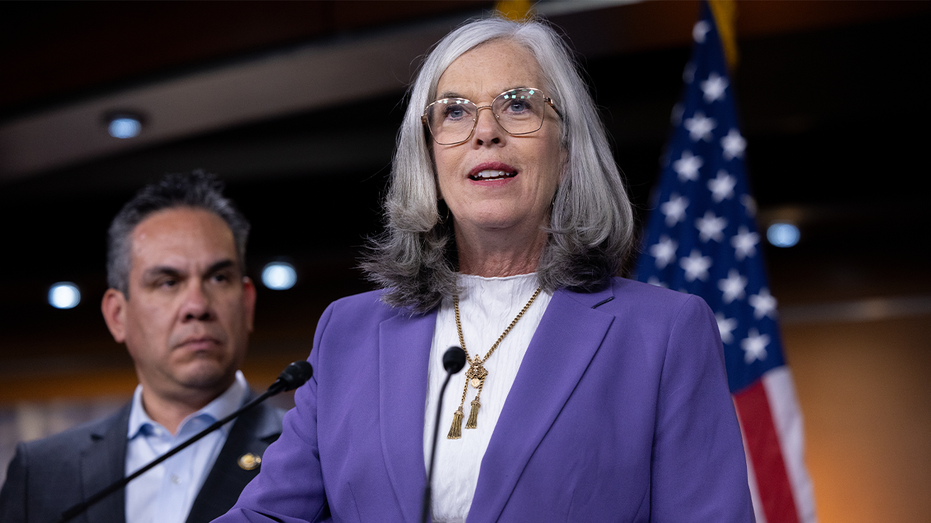
A significant challenge is brewing for a key figure in the House Democratic leadership. Representative Katherine Clark of Massachusetts, currently the second-highest ranking Democrat, faces a primary opponent as she prepares for re-election.
Jonathan Paz, a community organizer and former city councilor from Waltham, Massachusetts, launched his campaign with a compelling video announcement. He directly confronts Clark, the House minority whip, who has held her suburban Boston seat for twelve years.
This primary battle is particularly noteworthy because Clark is poised to be the most senior Democrat in the House to face a challenge from within her own party during next year’s midterm elections. Democrats are keenly focused on regaining control of the chamber from Republicans.
The move echoes a recent, though short-lived, challenge to House Minority Leader Hakeem Jeffries. New York City council member Chi Ossé briefly contested Jeffries’ position before withdrawing from the race.
Paz acknowledges the daunting task ahead, but his message is clear: the time for new leadership is now. His campaign video frames the challenge as a necessary step toward a more effective and responsive Democratic party.
Paz’s background informs his political stance. He recently established a volunteer organization dedicated to assisting those impacted by ICE arrests, and his family’s journey from Bolivia shapes his understanding of the challenges faced by working-class families.
He argues that current Democratic leaders are falling short on critical issues. Paz contends they are not effectively opposing the influence of a former president, nor are they adequately addressing economic pressures or building a party that truly represents the working class.
The challenge has already drawn attention from across the political spectrum. Opposing forces are attempting to connect Paz’s campaign to progressive figures and movements, framing it as evidence of a growing radicalization within the Democratic party.
The narrative being constructed suggests a widening gap within the Democratic party, with some arguing that even established progressive leaders are not considered extreme enough by certain factions. This dynamic sets the stage for a potentially divisive primary battle.


