A nation held its breath as the phone connected. Chilean President Gabriel Boric extended a call, not to a political ally, but to José Antonio Kast – the man who had just won the presidential election. This single act, broadcast for all to witness, wasn’t merely a formality; it was the opening chord in a delicate transition of power.
Millions across Chile tuned in, captivated by the unfolding scene. The conversation wasn’t a private exchange, but a public declaration, a visible demonstration of the principles upon which their democracy rested. Every word carried weight, a message resonating with the hopes and anxieties of a country navigating change.
Boric’s congratulations were direct and unequivocal, acknowledging Kast’s decisive victory. He formally recognized Kast as the new President, the elected leader responsible for every citizen of Chile. It was a moment of grace, a powerful signal of respect for the democratic process.
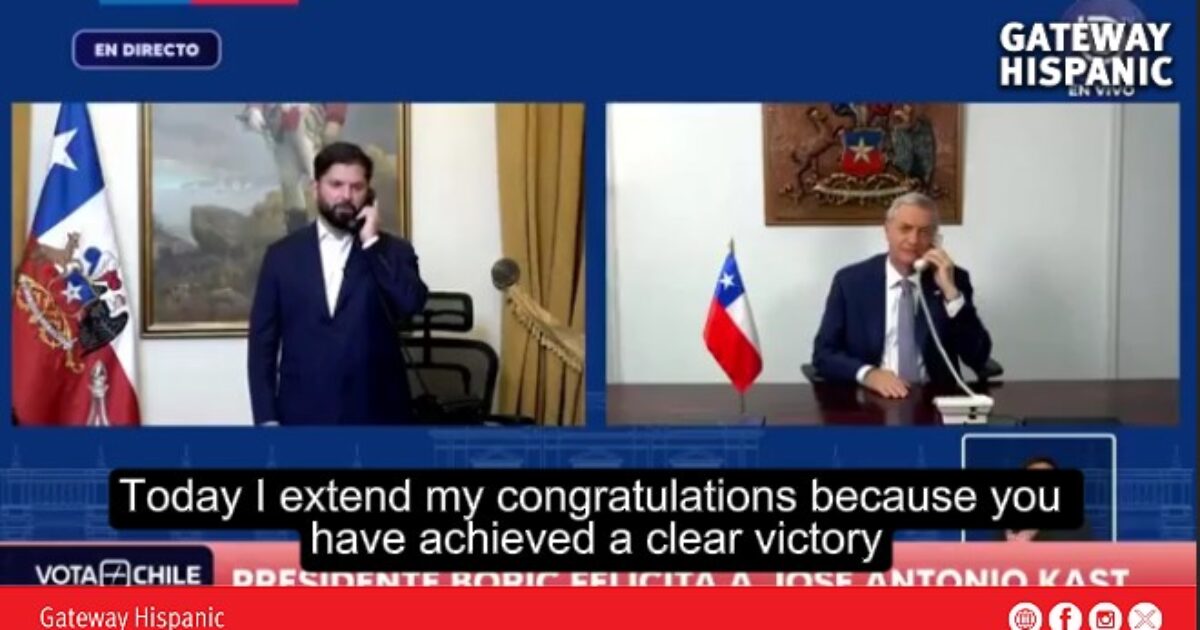
The gesture transcended political rivalry. Boric’s acknowledgement wasn’t simply conceding defeat; it was affirming the sovereignty of the Chilean people and their right to choose their own path. It underscored a commitment to the enduring strength of the nation’s institutions, even amidst profound political shifts.
This public conversation served as a potent reminder of the responsibilities inherent in governance. It wasn’t about personal ambition, but about the solemn duty to serve and protect all Chileans. The call resonated as a promise of a peaceful, orderly transfer of power, a cornerstone of a healthy democracy.


