Toronto’s mayor has publicly questioned why more arrests aren’t being made in connection with a surge of antisemitism, revealing a startling claim about internal police roadblocks. Olivia Chow stated that Police Chief Myron Demkiw confided in her that a lawyer within the Toronto Police Service is advising against pursuing charges in many cases, deeming convictions unlikely – essentially asking, “Why bother?”
The revelation came during a radio interview, where Chow pressed the Chief on why individuals openly displaying antisemitic behavior weren’t being taken into custody. The response, she explained, centered on a legal assessment suggesting a lack of prosecutorial success, creating a chilling effect on enforcement efforts.
Police leadership has announced the Chief will address these comments publicly, promising clarification on the conversation with the mayor. However, the initial disclosure has ignited a firestorm of concern and accusations of a systemic unwillingness to confront hate.

Councillor James Pasternak voiced a growing fear that this perceived hesitancy is leading Toronto “into the abyss.” He described repeated meetings with police yielding no tangible results, while pro-Hamas demonstrations continue unabated in Jewish neighborhoods, specifically targeting residents with harassment.
Pasternak detailed a disturbing incident at a recent menorah lighting, where he, another councillor, and a Member of Parliament were directly threatened by protestors. Despite a significant police presence, no intervention occurred, fueling accusations of inaction and a lack of protection for the Jewish community.
The situation is not isolated to Toronto, according to Pasternak, with similar concerns emerging at the provincial and federal levels. He emphasized a broader failure to address the escalating rhetoric and actions targeting Jewish Canadians.

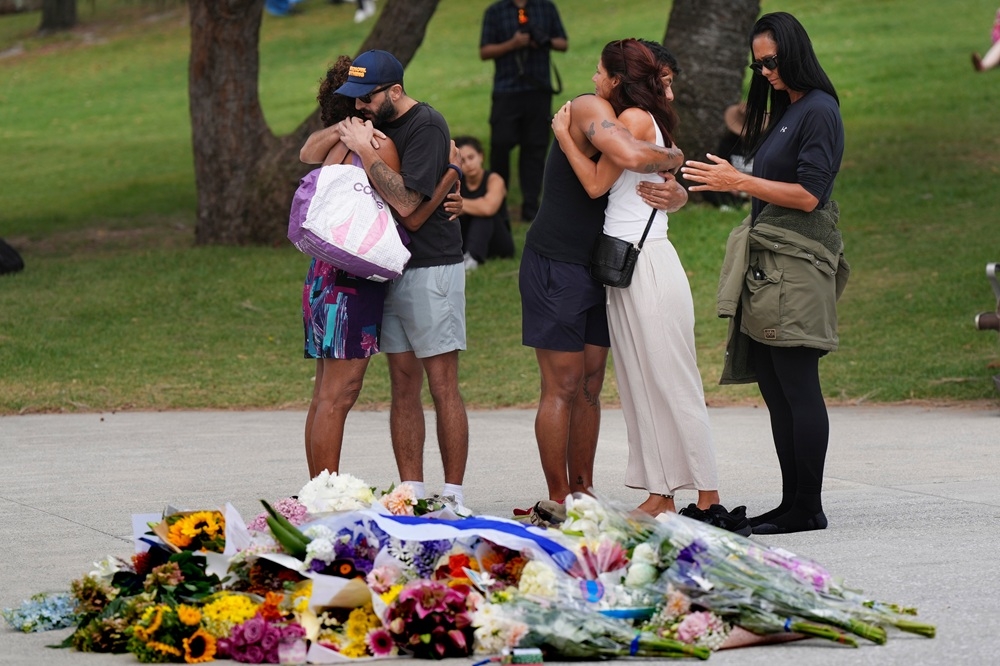
These concerns were amplified by a recent tragedy in Australia, where fifteen people were killed during a Hanukkah celebration. The incident served as a stark warning, prompting calls for stricter enforcement and a zero-tolerance approach to antisemitism before similar violence occurs locally.
The issue extends beyond protests, encompassing acts of vandalism, threats, and intimidation. Videos circulating online show individuals harassing community members and openly displaying hateful imagery near Jewish schools and synagogues, with little apparent consequence.
Chow further explained that the Chief cited concerns about Charter rights and the potential for charges to be dismissed, leading to a sense of futility within the police force. This raises a critical question: are legal hurdles being used as justification for inaction, allowing antisemitic behavior to flourish?
Toronto Police maintain they have laid nearly 800 charges related to hate crimes since October 7th, 2023. However, they acknowledge the complexity of establishing “reasonable grounds” for charges and emphasize ongoing consultation with the Ministry of the Attorney General to improve legal clarity.
Pasternak sharply criticized the mayor’s past statements regarding the conflict in Gaza, questioning her impartiality. He also accused government officials of “passing the buck” and avoiding responsibility for the escalating crisis.
While the Toronto Police Service has a dedicated Legal Services department, a spokesperson clarified that investigators consult directly with the Ministry of the Attorney General, not internal counsel, to ensure legal compliance. This detail adds another layer of complexity to the situation.
The core question remains: why are seemingly clear-cut cases of antisemitism not resulting in arrests and convictions? Is a single legal opinion effectively paralyzing law enforcement, allowing hateful rhetoric to escalate and potentially inspire violence? The answer, and the safety of Toronto’s Jewish community, may depend on it.
Pasternak points to the unchecked spread of slogans like “Globalize the Intifada” – a call for violent uprising – as evidence of a dangerous complacency. He warns that the events in Australia should serve as a wake-up call, urging immediate and decisive action to protect vulnerable communities.