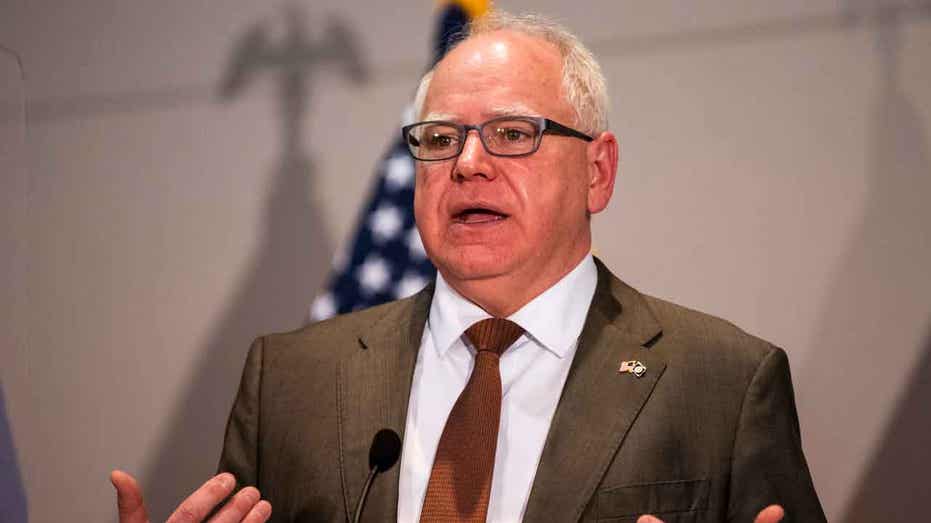
A blistering letter has ignited a firestorm in Minnesota, with accusations of widespread fraud reaching the highest levels of state government. Former Education Secretary Linda McMahon directly challenged Governor Tim Walz, demanding his resignation amidst a growing scandal that allegedly siphoned over a billion dollars from taxpayers.
The core of the controversy centers on alleged systemic failures in oversight, creating an environment where fraudulent actors, particularly those originating from abroad, could exploit Minnesota’s welfare programs. McMahon’s letter paints a stark picture: a state transformed into what former President Trump termed a “fraudulent hub of money laundering activity.”
Beyond the widely reported fraud involving organizations like Feeding Our Future, McMahon’s department uncovered a disturbing pattern within the state’s college education system. Investigations revealed thousands of “ghost students” – individuals who never attended classes but fraudulently received substantial grants and loans.
These “ghost students,” often lacking proper identification and even residency in the United States, allegedly pocketed over $12.5 million in taxpayer funds. The scheme involved receiving federal checks, sharing a small portion with the college, and disappearing with the remainder – a brazen theft of public resources.
The letter also directly addressed Representative Ilhan Omar, highlighting her substantial student loan debt and questioning her stance on repayment despite a significant congressional salary. This added another layer of complexity to the unfolding crisis, raising questions about potential conflicts of interest.
McMahon’s accusations extend beyond education, alleging a pervasive pattern of fraud across nearly all major federal assistance programs – from housing benefits and food stamps to aid for the elderly and children with autism. The letter accuses Governor Walz of inaction, allowing the exploitation to continue unchecked.
Governor Walz recently announced the implementation of a new statewide prevention program, partnering with a forensic auditing firm. He acknowledged responsibility for the systemic failures, stating the system was “taken advantage of by an organized group of fraudsters and criminals.”
However, this response has failed to quell the growing criticism. Observers point to the lack of any personnel changes within the state bureaucracy, questioning whether true accountability is being pursued. The absence of firings suggests, to some, that the governor’s acceptance of responsibility rings hollow.
The situation has reached a critical juncture, leaving Minnesotans to grapple with the scale of the alleged fraud and the question of who will ultimately be held accountable. The future of leadership in the state hangs in the balance as the investigation continues to unfold.


![TRUMP UNLEASHES BOMBSHELL VISION – You Won't Believe What He Said! [VIDEO]](https://www.thegatewaypundit.com/wp-content/uploads/2025/12/img_1010-1200x630.jpg)


