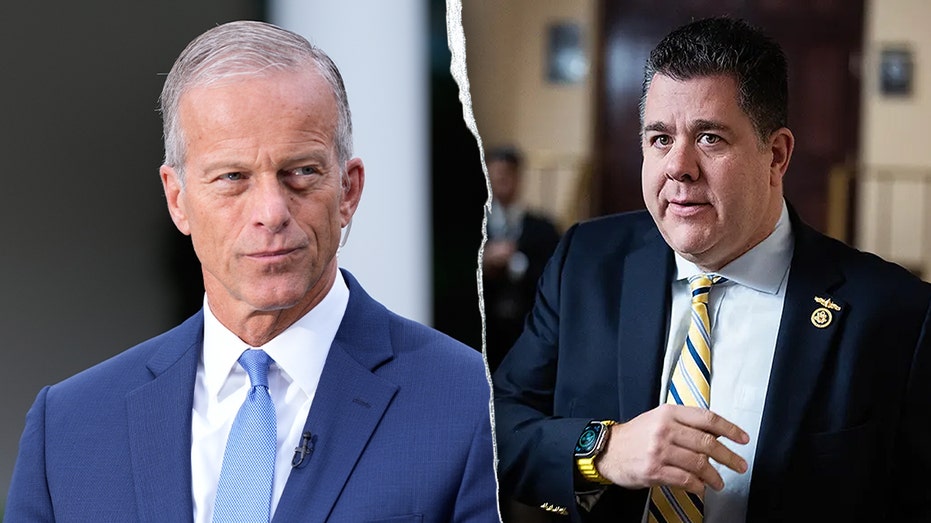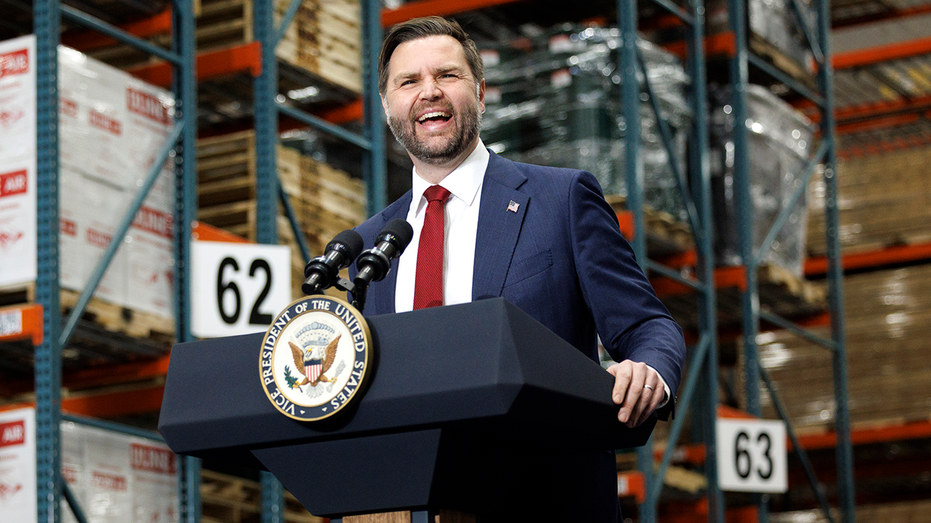
A sharp clash erupted between Vice President JD Vance and Oregon Attorney General Dan Rayfield over a new, substantial fee imposed on H-1B skilled-worker visas. The dispute centers on a directive from former President Trump to levy a $100,000 charge, a dramatic increase from the previous range of $960 to $7,600.
Rayfield, leading a coalition of 19 states, has filed a lawsuit challenging the legality of the fee. The states argue the administration overstepped its authority, claiming the exorbitant cost wasn’t authorized by Congress when the H-1B visa program was established.
Vance responded directly to Rayfield’s announcement with a pointed suggestion: “You might try hiring Americans.” This ignited a debate about the core purpose of the H-1B program and its impact on the domestic workforce.
Rayfield countered that the H-1B visa system is vital for sectors like healthcare and academia, allowing institutions to recruit specialized professionals – physicians, researchers, and nurses – essential to their operations. He emphasized Oregon’s colleges and universities depend on these workers to maintain research and educational standards.
The administration defends the fee as a measure to prevent the exploitation of the H-1B program, alleging it has been misused to replace American workers with cheaper foreign labor. They argue the program was intended to *supplement* the workforce, not supplant it.
Florida Governor Ron DeSantis previously echoed similar concerns, labeling the H-1B system a “scam” that prioritizes foreign workers over American citizens. Vance framed the situation as a battle against a coalition of “America Last” Republicans and Democrats obstructing efforts to reform the visa system.
The lawsuit asserts the fee violates the Administrative Procedure Act of 1946, a law designed to ensure transparency and public input in federal regulations. Critics point out the administration bypassed the standard notice-and-comment process required by the Act.
Beyond Oregon, states like Delaware and California have joined the legal challenge, with Delaware’s Attorney General calling the order an “unserious idea” that exacerbates existing workforce challenges. The implications extend beyond high-tech industries, as evidenced by past calls for increased H-2B visas to support seasonal labor in sectors like Maryland’s crabbing industry.
The core of the disagreement lies in fundamentally different interpretations of the H-1B program’s purpose and its effect on the American labor market. Is it a vital tool for innovation and economic growth, or a system ripe for abuse that undermines American workers?
Rayfield’s office contends the fee threatens Oregon’s ability to compete, educate, and innovate, effectively hindering access to the specialized expertise needed to thrive in a global economy. The lawsuit seeks to restore the program to what the states believe was Congress’s original intent.