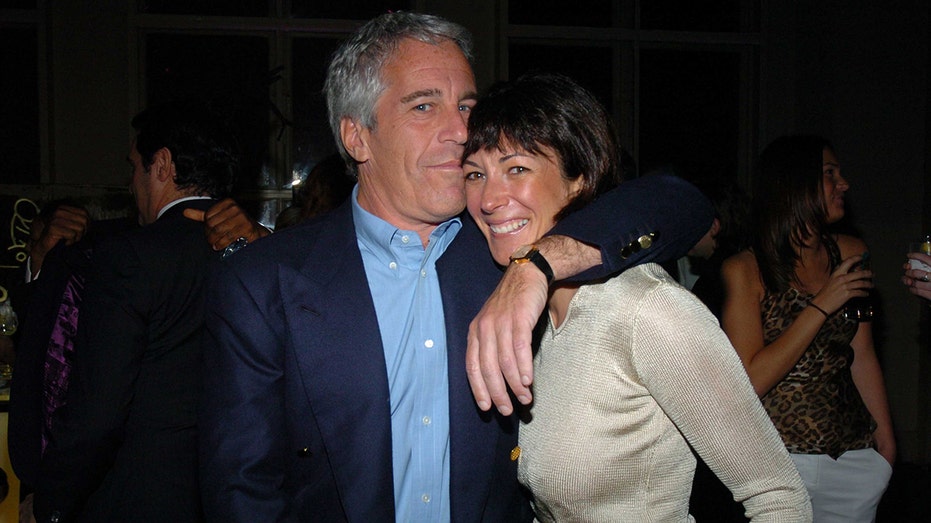
Ghislaine Maxwell is launching a desperate legal challenge, seeking to overturn her conviction with a sweeping petition to a federal judge. She alleges a trial riddled with misconduct, suppressed evidence, and an unsettling collaboration between prosecutors and lawyers representing Epstein’s victims fundamentally corrupted the proceedings that led to her imprisonment.
Maxwell, the longtime associate of Jeffrey Epstein and convicted accomplice in his crimes, filed the motion herself, arguing “newly discovered evidence” proves she was denied a fair trial. Currently serving a 20-year sentence for sex-trafficking and conspiracy charges, the 63-year-old is attempting a last-ditch effort to regain her freedom.
Her petition arrives amid mounting pressure on the Department of Justice to comply with the recently enacted Epstein Files Transparency Act. This new law mandates the release of hundreds of thousands of long-sealed investigative documents related to Epstein and his network, with a deadline of December 19th for initial disclosures.
A central pillar of Maxwell’s argument focuses on Juror #50, who revealed after the verdict that he was a survivor of childhood sexual abuse – a critical detail omitted from his initial juror questionnaire. Maxwell contends this deliberate concealment improperly swayed deliberations and suggests other jurors may have concealed similar histories.
While courts previously dismissed the juror’s omission as insufficient grounds for a new trial, Maxwell argues that recent statements contradict those earlier findings, demanding a renewed and thorough investigation. She believes this undisclosed trauma fundamentally biased the jury against her.
Maxwell is also challenging the validity of key physical evidence presented at trial, specifically a massage table used to establish the interstate commerce element of the charges. Newly unsealed grand jury testimony, she claims, clashes with law enforcement accounts of the table’s seizure, revealing discrepancies in labeling and paperwork.
These inconsistencies lead Maxwell to question whether the table presented to the jury was, in fact, the same one recovered during a 2005 search in Palm Beach. She argues this casts serious doubt on the prosecution’s evidence and the foundation of her conviction.
The petition further accuses prosecutors of deliberately withholding exculpatory evidence, including internal FBI notes, grand jury records, and information concerning Epstein’s properties and financial dealings. Maxwell asserts access to these materials would have empowered her defense to more effectively challenge witnesses and dismantle the government’s case.
A particularly troubling allegation centers on the unusual and inappropriate involvement of private attorneys representing Epstein’s accusers. Maxwell claims these lawyers worked in close coordination with federal authorities, providing investigative materials, communicating with witnesses, and influencing the case’s development before the trial even began.
Maxwell is revisiting her long-held argument that Epstein’s 2007 non-prosecution agreement in Florida should have extended protection to her. Newly surfaced internal documents, she contends, demonstrate the agreement was intended to encompass “potential co-conspirators,” including herself, and that prosecutors intentionally concealed evidence supporting this claim.
Despite repeated rejections by courts, Maxwell maintains the Florida deal barred her prosecution in New York. She believes the Justice Department selectively applied the law to target her while shielding other individuals connected to Epstein from scrutiny.
The petition also details the harsh pretrial conditions Maxwell endured at the Metropolitan Detention Center in Brooklyn, describing near-solitary confinement and frequent, disruptive overnight checks. She argues these conditions severely impaired her ability to effectively participate in her defense.
As the Justice Department prepares to release the first wave of Epstein-related records under the transparency act, Maxwell’s petition lands at a critical juncture. The ongoing litigation surrounding her case, and her claims of withheld materials, could significantly impact the scope and timing of these disclosures.