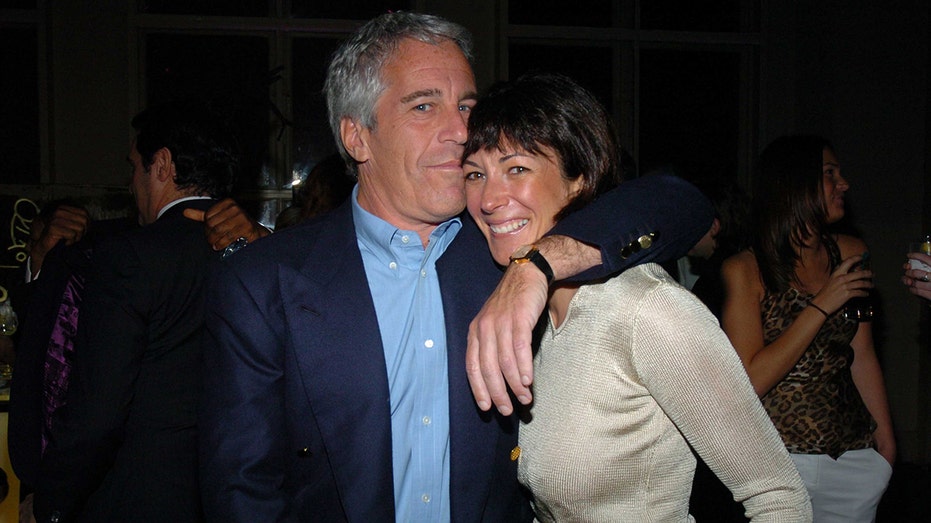
Ghislaine Maxwell is launching a desperate legal challenge, seeking to overturn her conviction and 20-year prison sentence. Her newly filed petition alleges a deeply flawed trial, riddled with juror misconduct, concealed evidence, and an unsettling level of collaboration between prosecutors and the lawyers representing Epstein’s accusers.
Maxwell, once a close associate of Jeffrey Epstein, argues she was denied a fair trial, claiming “newly discovered evidence” exposes critical failings in the proceedings. The 63-year-old’s filing comes as the Department of Justice faces mounting pressure to comply with the recently enacted Epstein Files Transparency Act, a law demanding the release of previously sealed investigative documents.
A central pillar of Maxwell’s argument focuses on Juror No. 50, who revealed after the verdict a personal history of childhood sexual abuse – information deliberately withheld during the juror selection process. Maxwell contends this omission fundamentally tainted deliberations, suggesting other jurors may have concealed similar experiences, creating an undeniable bias.
The authenticity of key physical evidence is also under attack. Maxwell is questioning the provenance of a massage table presented as crucial to establishing the interstate commerce aspect of the charges. Newly unsealed grand jury testimony, she claims, contradicts official accounts of its seizure, revealing discrepancies in labeling and paperwork that cast doubt on its legitimacy.
Maxwell further accuses prosecutors of deliberately withholding exculpatory evidence, including internal FBI notes, grand jury records, and details surrounding Epstein’s properties and financial dealings. She believes access to these materials would have significantly strengthened her defense, allowing for a more effective challenge to key witnesses and the government’s overall narrative.
The petition alleges an unusually close and inappropriate relationship between private attorneys representing Epstein’s accusers and federal authorities. These lawyers, according to Maxwell, actively shaped the prosecution’s strategy, provided investigative materials, and directly influenced witness testimony before the trial even began.
Maxwell is revisiting her long-held argument that the 2007 non-prosecution agreement Epstein secured in Florida should have extended protection to her as a potential co-conspirator. Newly surfaced internal documents, she asserts, demonstrate the agreement was explicitly intended to cover individuals like herself, a fact prosecutors allegedly concealed.
The filing also points to confidential civil settlements involving other figures connected to Epstein, suggesting a selective application of justice where prominent individuals avoided scrutiny while Maxwell was singled out as the focal point of the government’s case. This raises questions about fairness and potential political motivations.
Maxwell details the harsh conditions of her pretrial confinement at the Metropolitan Detention Center in Brooklyn, describing near-solitary confinement and intrusive overnight checks that severely hampered her ability to adequately prepare for her defense. These conditions, she argues, further compromised her right to a fair trial.
This legal challenge arrives as the Justice Department prepares to release a massive trove of Epstein-related records under the new transparency act. The outcome of Maxwell’s petition could significantly impact the release process and potentially expose further concealed information, adding another layer of complexity to this already controversial case.