A growing unease is rippling through Toronto neighborhoods as city council moves forward with a pilot project designed to reshape key streets with mid-rise developments. One councillor warns the city risks becoming a “city of shadows,” a place where aspirations shift from moving *to* Toronto, to moving *away*.
The plan, focused on major thoroughfares in two central wards, initially sparked outrage among residents, particularly over the potential rezoning of land currently occupied by schools. The prospect of losing cherished community assets like the Ossington-Old Orchard Junior Public School ignited a swift and passionate response.
Virginia Johnson, a local resident, spearheaded a door-to-door campaign, distributing 300 flyers with her neighbor to raise awareness. She discovered a startling lack of knowledge about the project, finding that “not one person” she spoke with had even heard of it. Her efforts, along with a surge of resident emails, ultimately caught the attention of Councillor Alejandra Bravo.
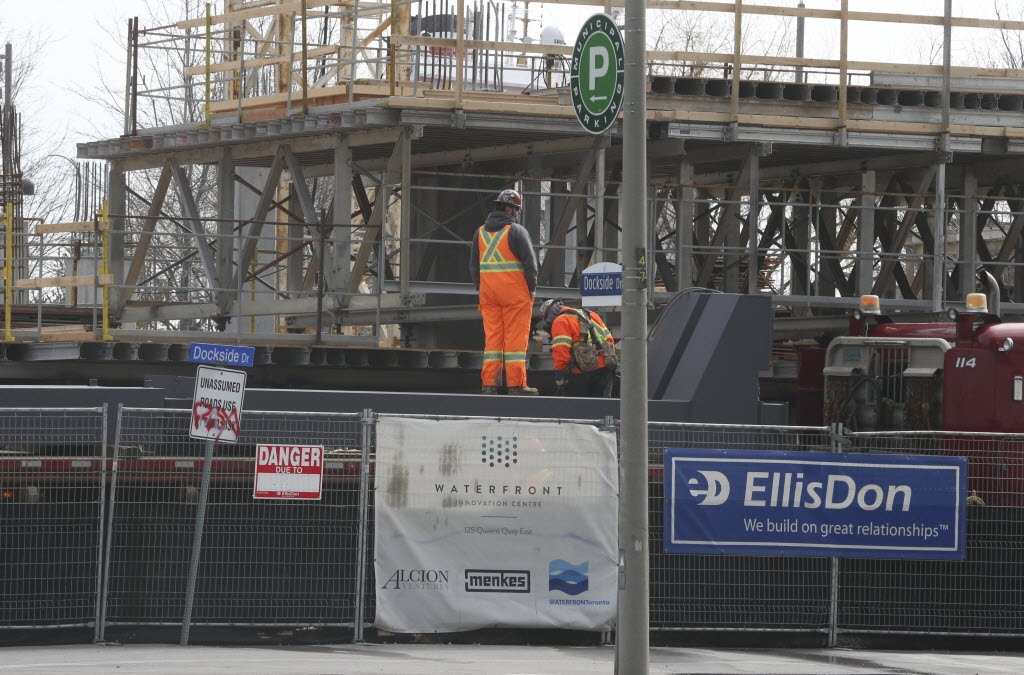
The initial proposal raised legitimate fears about opening school properties to future redevelopment pressures from the province. Councillor Rachel Chernos Lin, a former school board trustee, directly questioned whether including these lands would invite unwanted scrutiny and potential loss of vital community spaces.
The pilot project permits buildings up to 14 stories along designated “avenues” – streets like Christie, Davenport, Dufferin, and Ossington. While proponents argue this increased density is necessary, critics worry about the scale of the changes and the impact on existing neighborhoods.
Councillor Stephen Holyday voiced strong opposition, arguing the city’s definition of “mid-rise” has become dangerously inflated. He fears the relentless pursuit of a “housing agenda” is coming at a cost, literally casting shadows over the city and diminishing its appeal.
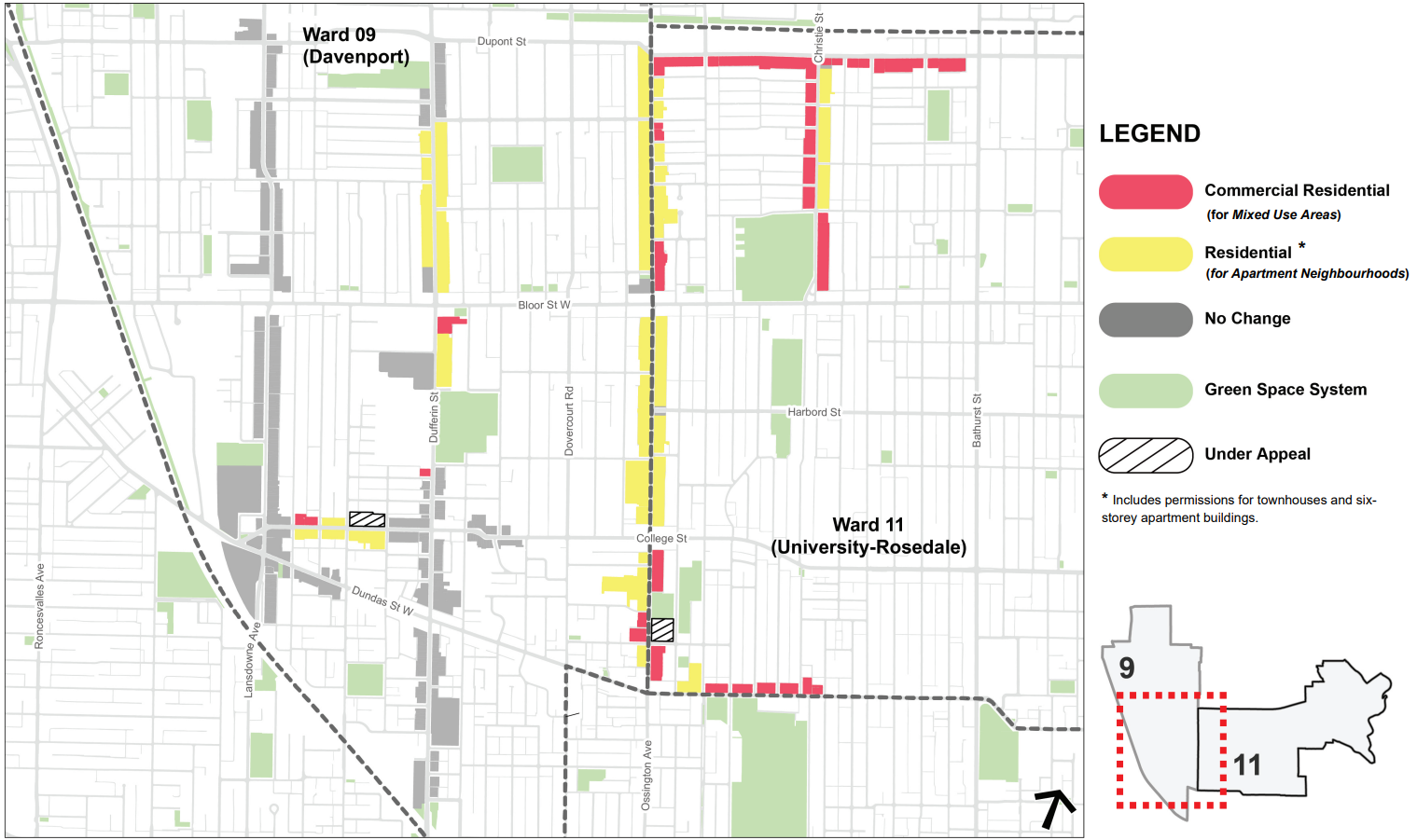
Ironically, Holyday and Bravo independently proposed the same amendment to exclude school lands from the pilot, a testament to the widespread concern. While the amendment passed, Holyday remained the sole dissenting vote against the overall project.
Residents acknowledge the need for increased density in Toronto, but many are calling for a more nuanced approach. Johnson believes a “blanket green light” for 14-story buildings is ill-conceived, advocating for more reasonable heights of six to eight stories, or even four, to better integrate with existing neighborhood character.
The debate highlights a fundamental tension: balancing the urgent need for housing with the preservation of community identity and quality of life. As Toronto continues to evolve, the question remains whether it can grow without losing the very qualities that make it a desirable place to live.