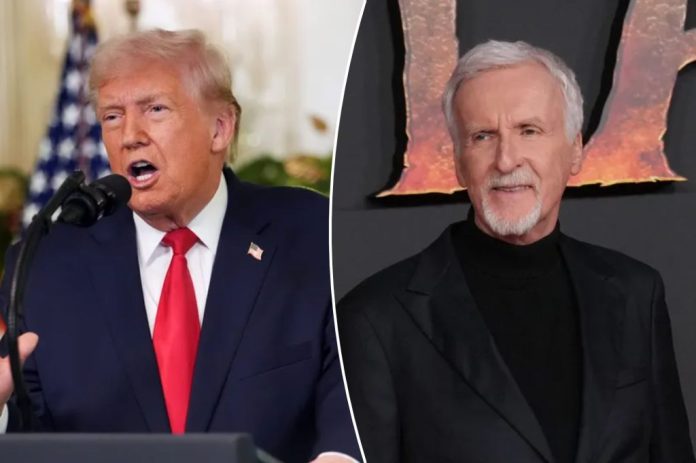
James Cameron, the visionary behindAvatar, didn’t hesitate to voice his strong opinions on the current state of the world, and one former leader in particular, during a recent interview. He framed his cinematic work not just as entertainment, but as a cultural force aligned with a crucial historical trajectory.
The director didn’t mince words when discussing a former president, delivering a scathing assessment and explicitly granting permission for direct quotation. He characterized this figure as embodying a level of self-absorption unseen since the Roman emperor Nero, a stark condemnation delivered with unwavering conviction.
Cameron expressed a deep frustration not with the limitations of his films, but with humanity’s collective denial regarding pressing global issues. He believes a dangerous regression is underway, questioning whether theAvatarfilms have, at the very least, slowed the pace of decline.

He acknowledged the impossibility of quantifyingAvatar’sdirect impact on the environment, stating there’s no parallel Earth to compare against. However, Cameron firmly believes the films stand on the “right side of history,” representing a vital narrative shift.
Beyond environmental concerns, Cameron also turned his attention to the rapidly evolving landscape of artificial intelligence. He criticized the current focus of AI development, noting it prioritizes accessibility for the general public over the needs of skilled professionals like visual effects artists.
This observation prompted a commitment to explore potential solutions, hinting at a personal investment in developing AI tools specifically designed to empower those within the film industry. He intends to actively investigate development in this crucial area.
The release ofAvatar 3: The Seed Beareris imminent, arriving in theaters this Friday. While Cameron has outlined plans for two additional installments, he conceded this latest film could mark the conclusion of the saga.
The fate of futureAvatarfilms hinges on the financial performance ofThe Seed Bearer, with a definitive decision expected by mid-January. The director is waiting to assess the film’s reception before committing to further expansions of the world of Pandora.
These comments arrive amidst a backdrop of increasing governmental involvement in AI regulation. A recent executive order signed by the former president aimed to limit state control over AI development, emphasizing the need for centralized federal oversight.
The order drew comparisons to China’s centralized approach to AI, reflecting a belief that maintaining American leadership in the field requires a unified regulatory framework. This move underscores the growing geopolitical significance of artificial intelligence.
Recently,Timemagazine recognized key figures in the AI field – including leaders from OpenAI, Meta, and xAI – as its “Person of the Year,” acknowledging the transformative power and widespread influence of this technology.