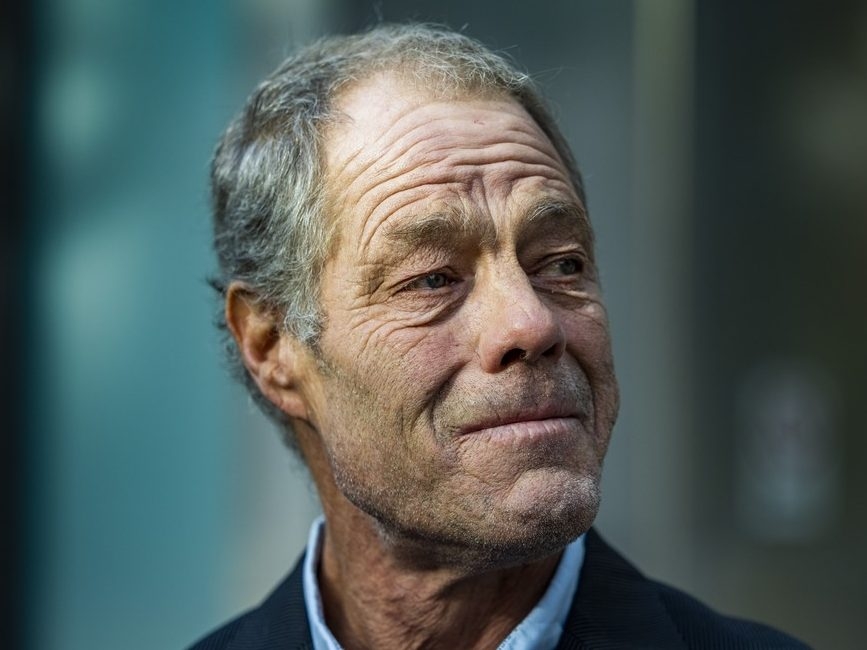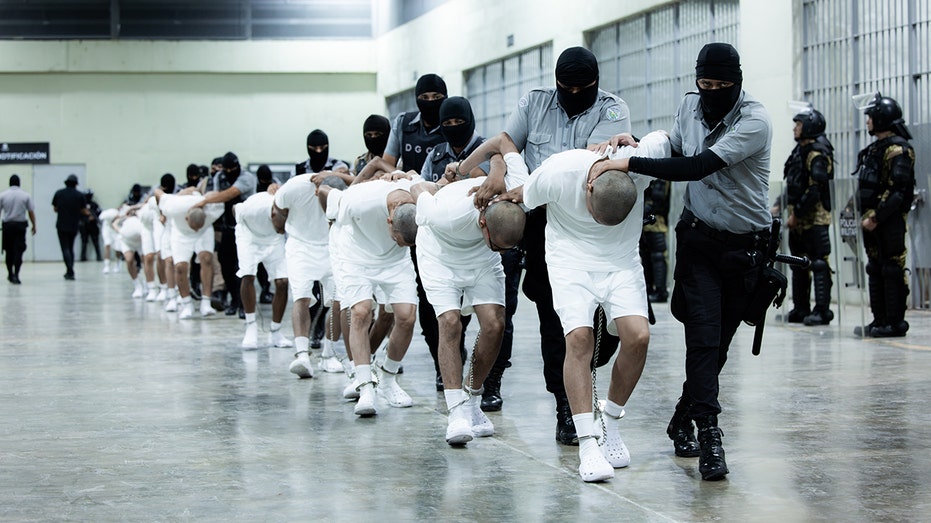
A chilling indictment has been unsealed in New York, revealing the scope of a criminal empire led by Hector Rusthenford Guerrero Flores – a man known by terrifying aliases like “Niño Guerrero,” “El Cejón,” and “El Innombrable.” He remains at large, yet authorities allege he continues to direct the violent operations of Tren de Aragua, a gang now designated as a foreign terrorist organization.
For over a decade, prosecutors claim Guerrero Flores orchestrated a reign of terror, commanding his followers to commit horrific acts across multiple continents. The charges are staggering: racketeering, conspiracy to support terrorism, massive cocaine importation, and the brazen use of military-grade weaponry to fuel a ruthless drug trade.
The indictment paints a picture of a criminal mastermind who transformed a Venezuelan prison gang into a transnational threat. He allegedly sought to dominate territory within Venezuela, then expanded Tren de Aragua’s influence throughout South America, eventually reaching Europe, Spain, Mexico, and Brazil.
Tren de Aragua’s reach now extends deep into the United States, with a growing presence in states like New York, Florida, Texas, and Colorado. This isn’t simply about drug trafficking; it’s about establishing a foothold for organized violence and intimidation within American communities.
The gang’s operations allegedly involved a chilling partnership with some of the world’s largest narcotics traffickers. They weren’t just moving cocaine into the U.S. – they were providing heavily armed security for the shipments, utilizing weapons like AK-47s, MP5s, AR-15s, and even grenades.
Guerrero Flores didn’t just issue orders from afar. Prosecutors allege he actively facilitated the cocaine transport, personally supplying armed teams to protect and move the drugs. This level of direct involvement underscores the ruthless efficiency and calculated danger of his leadership.
This case is part of a broader effort to dismantle transnational criminal organizations operating within the country. The goal is to sever the flow of deadly drugs and disrupt the cycle of violence and corruption that these groups thrive on.
If apprehended and convicted, Guerrero Flores faces a potential life sentence. But the challenge extends beyond a single arrest. Authorities describe his operation as a sophisticated, multinational syndicate, laundering money through cryptocurrency and operating with the support of a corrupt system.
One official described Guerrero Flores’ empire as functioning “like terrorists and terrorizing like insurgents.” The dismantling of Tren de Aragua is not simply a matter of law enforcement; it’s a fight against a new breed of criminal organization that blurs the lines between drug trafficking and terrorism.
The investigation continues, with authorities determined to target the gang’s leadership, finances, weapons, and networks, piece by piece, in an effort to cripple its operations and protect communities from its escalating violence.