A chilling indictment has been unsealed in New York, revealing the alleged crimes of Hector Rusthenford Guerrero Flores, the shadowy leader of the notorious Tren de Aragua gang. Known by multiple aliases – “Niño Guerrero,” “El Cejón,” and “El Innombrable” – Flores remains at large while facing a barrage of federal charges.
The charges paint a terrifying picture: racketeering conspiracy, conspiracy to support terrorism, large-scale cocaine importation, and the use of devastating weaponry. Federal prosecutors allege that for over a decade, Flores orchestrated a reign of terror, directing countless violent acts across the Americas and even into Europe.
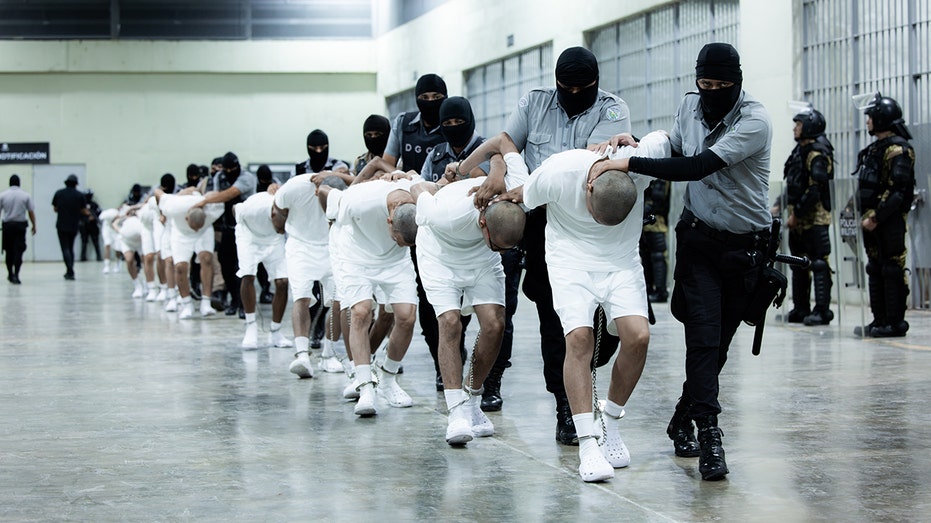
Tren de Aragua began as a prison gang within Venezuela, but under Flores’ direction, it metastasized into a transnational criminal organization, now officially designated as a foreign terrorist group. The indictment details a pattern of brutal crimes – murders, kidnappings, extortion, and the horrific trafficking of human beings.
Prosecutors assert Flores wasn’t simply a figurehead; he actively directed the gang’s expansion, seeking to dominate territory within Venezuela before extending its reach into South America, Europe, and beyond. The gang established a significant presence in countries like Spain, Mexico, and Brazil, steadily building a network of fear.
The gang’s infiltration of the United States has been extensive, with members establishing footholds in states including New York, Florida, Texas, and Colorado. This expansion wasn’t limited to street-level crime; it involved a sophisticated operation to flood the country with cocaine.
Flores allegedly forged alliances with some of the world’s most dangerous narcotics traffickers, utilizing maritime routes to smuggle tons of cocaine into the U.S. He didn’t just facilitate the drug trade; he actively protected the shipments, deploying heavily armed teams equipped with AK-47s, MP5s, AR-15s, and even grenades.
The operation wasn’t simply about profit. It was about control, dominance, and the ruthless pursuit of power. Flores allegedly laundered money through cryptocurrency, further obscuring the gang’s financial network and enabling its continued expansion.
This case is part of a broader effort to dismantle transnational criminal organizations and protect citizens from the escalating violence they inflict. If apprehended and convicted, Flores faces the very real possibility of spending the rest of his life in prison.
Law enforcement officials describe Flores as operating Tren de Aragua like a multinational crime syndicate, a chilling blend of business and brutality. He ran this empire, they say, even while incarcerated, shielded by corruption and fueled by a narco-state intent on saturating the United States with drugs.
The threat posed by organizations like Tren de Aragua is evolving, blurring the lines between criminal enterprise and terrorism. Authorities are working to dismantle these groups piece by piece, targeting their leaders, finances, weapons, and the intricate networks that sustain them.