Six days have passed since the horrifying shooting at Brown University, and a chilling possibility has emerged: investigators are now exploring a connection to a separate, deadly attack near Boston that claimed the life of an MIT professor.
Sources close to the investigation, speaking on the condition of anonymity, reveal that authorities have identified a person of interest and are actively pursuing them. The weight of unanswered questions hangs heavy as the search intensifies, stretching across state lines and into the realm of Ivy League institutions.
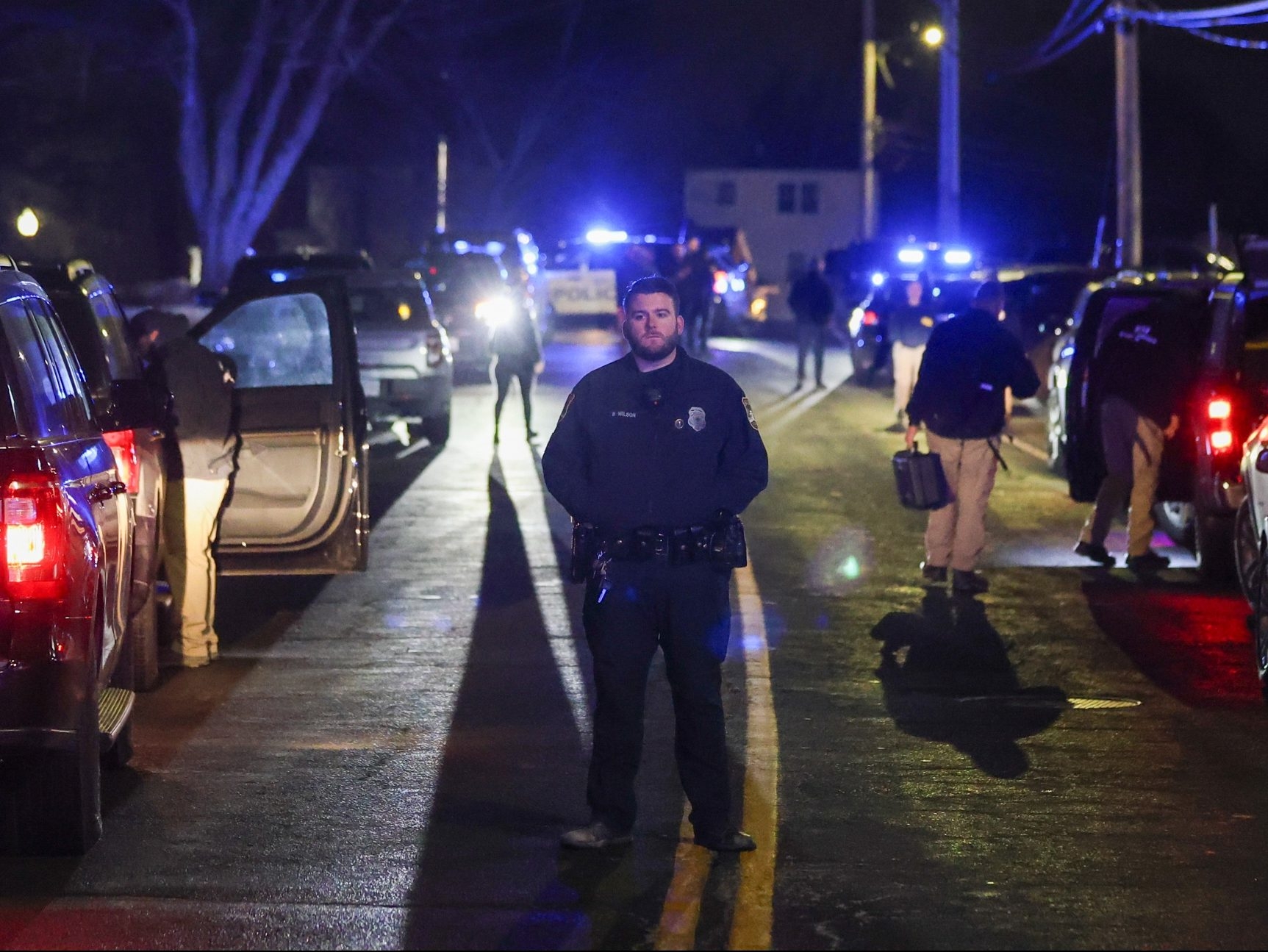
The attack at Brown unfolded with terrifying speed. A shooter opened fire in an engineering building classroom, leaving two students dead and nine others wounded before vanishing into the city. The brazenness of the act, and the subsequent escape, has fueled mounting frustration in Providence.

Just two days later, approximately 50 miles north, Professor Nuno F.G. Loureiro of MIT was fatally shot in his home. His death, initially treated as a separate incident, is now being scrutinized for potential links to the Brown University tragedy.
Despite the passage of nearly a week, a clear image of the shooter remains elusive. Authorities have meticulously combed the area for evidence, appealing to the public for any security or phone footage that might reveal clues about the attacker’s movements prior to the shooting.
Investigators have released several video clips showing an individual matching witness descriptions, but the person is consistently obscured – either masked or with their head turned. This lack of a clear visual has hampered efforts to identify and locate the suspect.
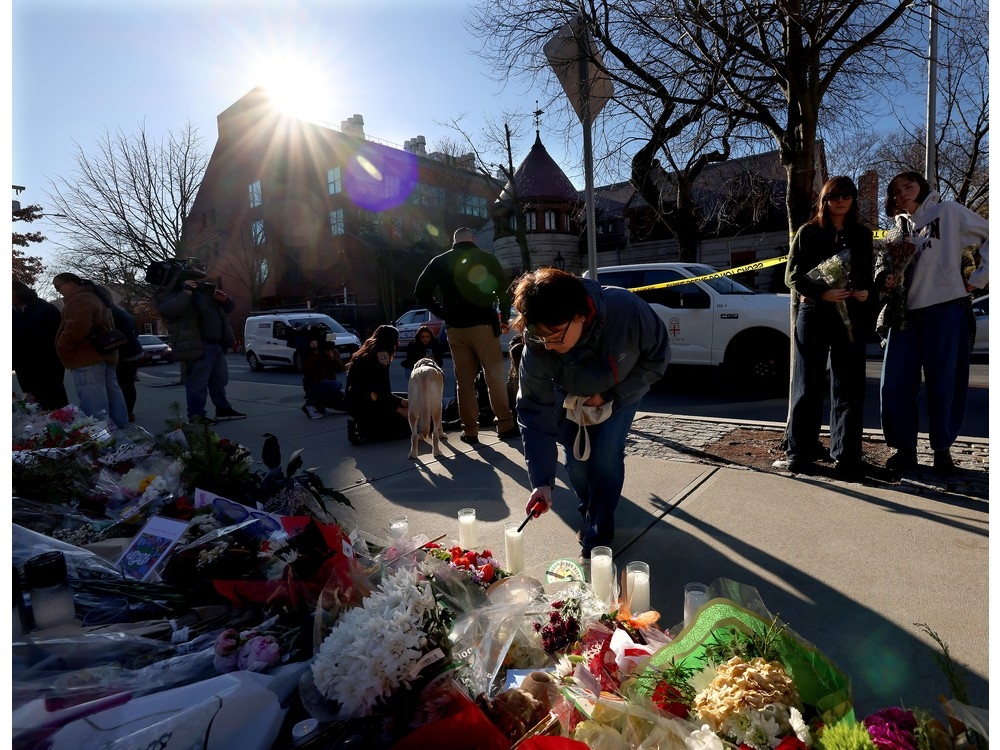
The location of the shooting itself presents a challenge. The attack occurred in an older section of the engineering building with limited camera coverage. The shooter is believed to have entered and exited through a door facing a residential street, bypassing the university’s extensive camera network.
Providence Mayor Brett Smiley acknowledged the fear gripping the city, admitting it’s “a scary time.” Families are grappling with difficult decisions about staying in town during the holidays, and authorities are working to reassure residents while acknowledging the gravity of the situation.
Experts in mass shooting investigations note that it’s unusual for perpetrators to remain at large for extended periods. Typically, they either take their own lives, are killed by police, or are apprehended relatively quickly.
Katherine Schweit, a retired FBI agent specializing in mass shootings, emphasizes the critical role of the public in providing information. “The best hope for solutions is going to come from the public,” she stated, highlighting the importance of vigilance and community involvement.
Past investigations offer a glimpse into the timelines of such cases. The Boston Marathon bombing investigation took four days to identify the perpetrators, while the search for the shooter in the Lewiston, Maine tragedy ended with his apparent suicide two days after the attack.
However, a disturbing trend is emerging. Retired New York police detective sergeant Felipe Rodriguez observes that shooters are learning from past mistakes, actively attempting to evade capture with increasingly sophisticated methods.
Investigators describe the person of interest as approximately 5 feet 8 inches tall with a stocky build. The motive behind the shootings remains unknown, and authorities have stated there is no evidence to suggest a specific individual was targeted.
The investigation continues, fueled by a desperate search for answers and a commitment to bringing the perpetrator to justice. The communities of Providence and Boston remain on edge, hoping for a swift resolution to this unfolding crisis.