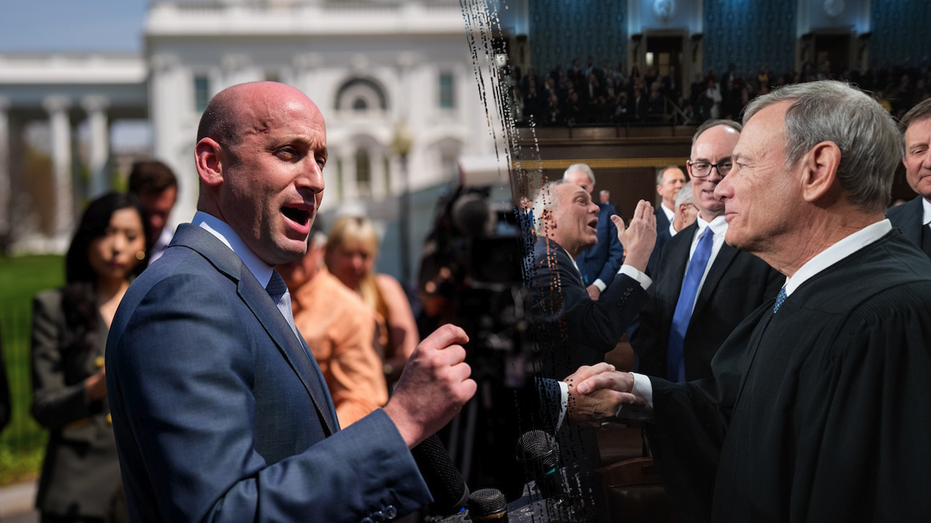
A legal battle initiated by a group aligned with former President Trump has come to an end, dismissed by a federal judge. The lawsuit sought access to internal documents from key bodies within the federal judiciary, including those overseen by Chief Justice John Roberts.
U.S. District Judge Trevor McFadden, appointed by President Trump himself, delivered the ruling. He determined the court lacked jurisdiction, effectively shielding the judiciary from the requested disclosures. The case was brought by America First Legal Foundation, established by Stephen Miller during Trump’s initial term.
The core of the dispute centered on whether the U.S. Judicial Conference and the Administrative Office of the U.S. Courts should be subject to Freedom of Information Act (FOIA) requests. The Foundation argued these entities were exceeding their authority by engaging in regulatory actions.
Specifically, the lawsuit pointed to the bodies’ responses to congressional inquiries regarding ethical concerns surrounding Justices Clarence Thomas and Samuel Alito. The Foundation claimed these actions – including the development of an ethics code – were within the purview of the executive branch.
Judge McFadden firmly disagreed, stating that these groups are integral parts of the judicial branch and therefore protected from FOIA requests. He emphasized that their structure doesn’t require presidential oversight, unlike executive agencies.
The judge’s decision hinged on his interpretation of “courts” under FOIA, rejecting the Foundation’s narrow definition limited to judges and their direct staff. He asserted the term encompasses a broader range of “judicial adjuncts” essential to the judicial process.
The America First Legal Foundation argued the Judicial Conference’s duties were essentially executive functions, requiring supervision from officials accountable to the president. They contended courts shouldn’t create agencies to handle tasks beyond resolving cases or providing administrative support.
The U.S. Judicial Conference serves as the national policymaking body for the federal courts, offering recommendations to Congress and reporting on judicial matters. The Administrative Office, operating under the Conference’s guidance, handles the logistical and administrative needs of the federal court system.
This legal challenge unfolded against a backdrop of increased tension between the executive branch and the courts. President Trump’s return to office has been marked by a reliance on executive orders, triggering a wave of lawsuits and escalating conflicts with the judiciary.
Hundreds of federal lawsuits have been filed this year alone challenging the President’s actions, with some judges blocking or pausing key initiatives. This case, though dismissed, underscores the ongoing struggle to define the boundaries between the branches of government.