A growing chorus of concern is echoing through the halls of Congress as the United States considers lifting decades-old sanctions against Syria. More than 100 Republican representatives are urgently demanding rigorous oversight, fearing a premature easing of pressure on a nation still grappling with profound instability and a history of human rights abuses.
The push for increased scrutiny is spearheaded by Representatives Josh Brecheen and Marlin Stutzman, who are leading 134 GOP lawmakers in a call for ironclad guarantees. They want assurances that the Syrian government will fully comply with the stipulations outlined in the National Defense Authorization Act (NDAA) – the very legislation paving the way for the potential sanctions repeal.
At the heart of their apprehension lies the fate of Syria’s vulnerable religious and ethnic minorities. The lawmakers recall painstaking negotiations with the previous administration to secure “snapback” provisions, designed to swiftly reinstate sanctions should Syria deviate from the path of reform and protection for its persecuted populations.
The memory of horrific violence against Syrian Christians, Druze, Alawites, Kurds, and others remains a stark warning. These representatives are determined to prevent a return to the days of widespread persecution, insisting that lasting peace cannot be built on a foundation of injustice.
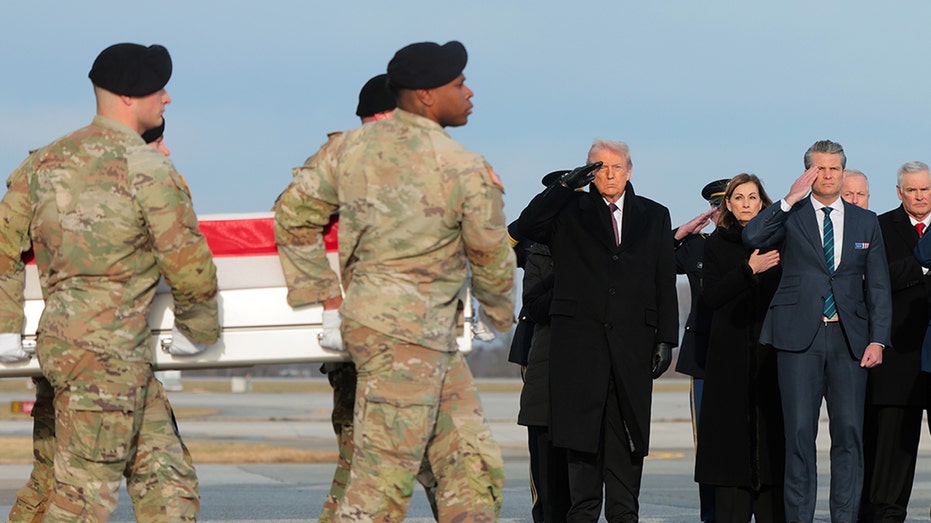
This heightened concern arrives on the heels of a tragic event: the ambush and killing of two Iowa National Guard members serving in Syria, a grim reminder of the ongoing threat posed by extremist groups like ISIS. The incident underscores the fragility of the security situation and the potential consequences of a hasty withdrawal of pressure.
Syria’s current leader, Ahmed Hussein al-Sharaa, ascended to power after the fall of the Assad government in 2024. He has publicly signaled a desire for improved relations with the West, even making a recent visit to the White House – a move that has fueled the debate over sanctions relief.
The Republican lawmakers aren’t simply opposing engagement; they are advocating for verification. They’ve expressed a desire to personally visit Damascus, to witness firsthand whether the al-Sharaa administration has genuinely established a safe and secure environment for the communities historically targeted by violence.
Their message is clear: the repeal of sanctions must be contingent on demonstrable progress. They believe Syria’s adherence to the NDAA’s conditions is not merely a political consideration, but a fundamental requirement for achieving lasting peace and prosperity in the Middle East.
The NDAA itself was recently signed into law, setting the stage for a potentially transformative shift in U.S. policy towards Syria. Now, the focus shifts to implementation and, crucially, to ensuring that the promises of protection for vulnerable populations are not empty ones.