A storm of accusations erupted as the deadline arrived for the release of documents connected to the late Jeffrey Epstein, with Senate Democrats alleging a deliberate “cover-up” orchestrated by the previous administration. The core of the dispute centers on the Department of Justice’s decision not to release all materials in a single, comprehensive release, a move that ignited immediate and fierce criticism.
Congress had recently enacted legislation, signed into law, demanding the DOJ release all Epstein-related documents, with carefully considered exceptions to protect sensitive information. These exceptions included safeguarding victim identities, medical records, materials related to ongoing investigations, graphic content, and classified national security details. Despite this framework, the partial release sparked outrage.
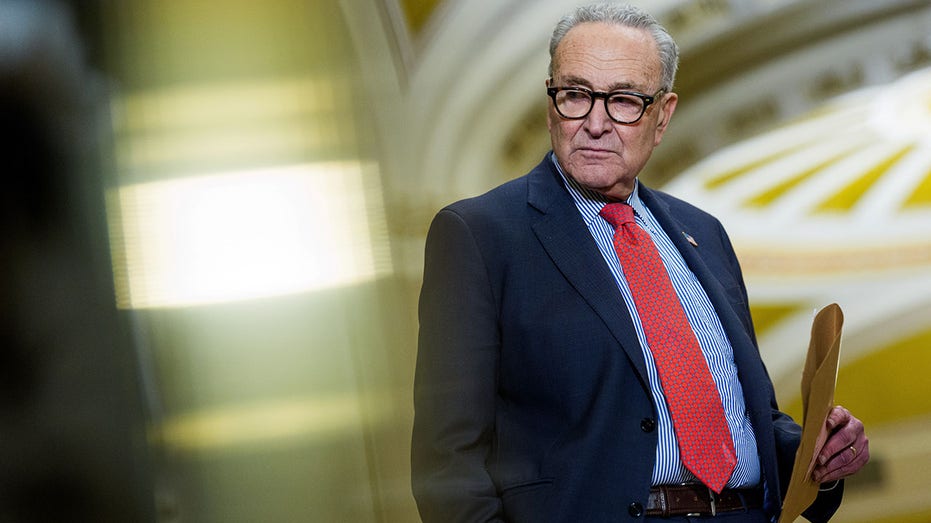
Senator Chuck Schumer vehemently condemned the actions, asserting that the Department of Justice, along with former President Trump and Attorney General Pam Bondi, were actively concealing the truth. He revealed that Senate Democrats were collaborating with legal representatives for Epstein’s victims and independent legal experts to meticulously analyze the withheld documents and uncover the extent of the alleged cover-up.
The demand for complete transparency resonated deeply, with Schumer emphasizing the public’s unwavering desire for the full release of the Epstein files. He directly linked the partial release to a perceived attempt to shield Trump from scrutiny regarding his past associations. The senator warned of significant legal and political consequences should the documents not be fully disclosed.
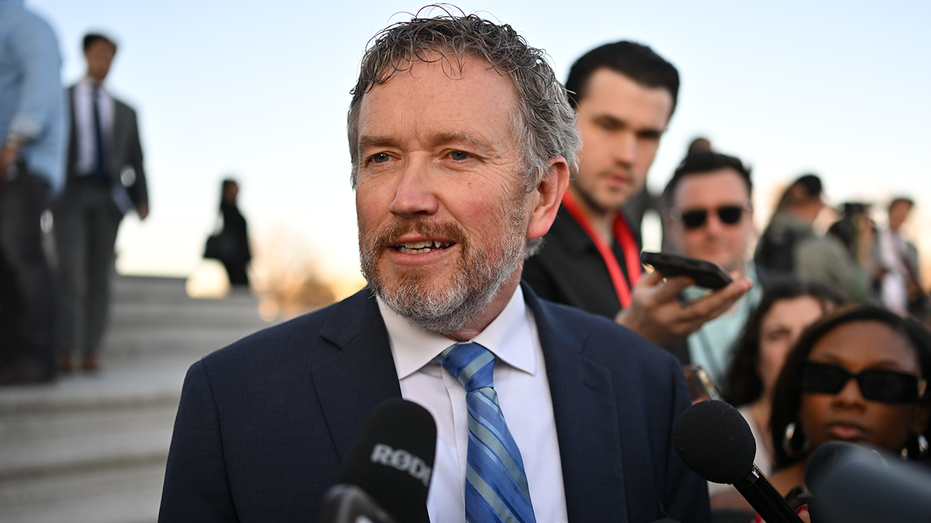
Deputy Attorney General Todd Blanche defended the DOJ’s approach, explaining that the release would occur in stages, beginning with hundreds of thousands of documents. He emphasized the paramount importance of protecting the identities and privacy of Epstein’s victims, stating that every document was being carefully reviewed to ensure their safety and anonymity.
Blanche clarified that the DOJ would continue to release documents in the coming weeks, anticipating another substantial release of several hundred thousand records. He underscored the commitment to transparency while simultaneously upholding the legal and ethical obligation to protect those harmed by Epstein’s crimes. The process, he explained, was deliberate and focused on responsible disclosure.
The unfolding situation has ignited a firestorm of debate, raising critical questions about transparency, accountability, and the pursuit of justice in the wake of a deeply disturbing case. The coming weeks promise further scrutiny as the remaining documents are released and analyzed, potentially revealing hidden connections and shedding light on the full scope of Epstein’s network.