For 505 days, Omer Shem Tov existed in darkness, a prisoner of Hamas after the horrific attack on the Nova Music Festival. He wasn’t just held captive; he was forced to dig tunnels, haul bombs, and witness a chilling abundance of resources while surviving on meager rations. His ordeal became a stark testament to the brutality he faced.
The turning point arrived with the U.S. election. Shem Tov, listening to his captors’ panicked discussions of the results via Al Jazeera, sensed a shift. The election of Donald Trump instilled fear in Hamas, a palpable dread that something fundamental was about to change. They knew their grip on power, and on him, was weakening.
“As soon as Trump was elected, I saw the fear in their eyes,” Shem Tov recalled. The terrorists, who had previously offered little, began to offer more food, a desperate attempt to appease a situation spiraling beyond their control. It was a chilling acknowledgment of Trump’s influence, even within the depths of their underground prison.
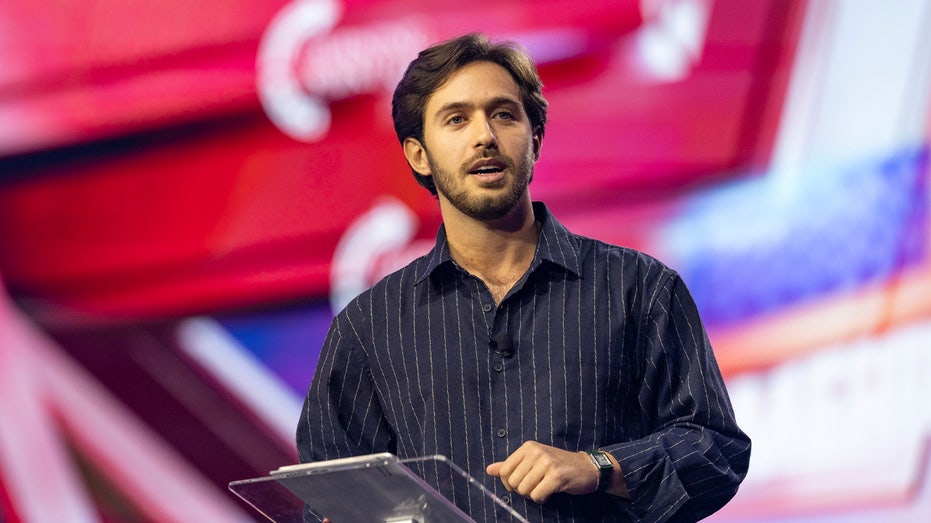
His eventual release in February, secured with what he believes was direct intervention from President Trump, felt surreal. Standing before a crowd at Turning Point USA’s AmericaFest in Arizona, Shem Tov delivered a powerful message: this isn’t simply a conflict in Israel, it’s a global battle between good and evil.
“This fight is between good and evil,” he declared, his voice resonating with the weight of his experience. He painted a harrowing picture of a terrorist ideology that transforms hospitals into torture chambers and schools into military bases, an evil that starves its own people and targets innocent civilians simply for their faith.
Shem Tov’s captivity forced him to confront a spiritual void. Alone in the darkness, stripped of everything, he turned to prayer. He didn’t ask for rescue, but for a connection, a simple acknowledgment of God’s presence. “Every day, I spoke to Him,” he shared, “I thanked Him for everything… even when there was almost none.”
The assassination of Turning Point USA founder Charlie Kirk deeply affected Shem Tov, even after enduring months of unimaginable horror. He recognized Kirk’s unwavering support for Israel and saw in his death a stark reminder of the extremism they are fighting against, a threat that extends far beyond the borders of the Middle East.
He pointed to attacks in Australia, Washington D.C., and elsewhere, illustrating a disturbing pattern of radical violence spreading across the globe. This isn’t a distant conflict, he insisted, but a direct threat to Western civilization itself. The fight, he believes, is for the very soul of freedom.
Shem Tov’s gratitude towards President Trump was unwavering. He recounted a meeting just nine days after his release, telling Trump that he and all of Israel believed he had been “sent by God” to secure the release of the hostages. Trump, he said, had made a promise, a promise to bring everyone home.
The statistics are sobering: 168 hostages survived their captivity, but 83 perished. While a prisoner exchange secured the release of many, the remains of one officer, Ran Gvili, remain in Gaza. Shem Tov’s story is a testament to the resilience of the survivors and a haunting reminder of the lives lost.
His message is clear: the world must recognize the insidious nature of this evil and stand firm in defense of freedom. Omer Shem Tov’s 505 days in darkness have illuminated a truth that demands to be heard, a truth about a battle for the future of civilization.