A tightening vise grip descended on the inner circle of Venezuela’s leadership Friday, as the Treasury Department unveiled a new wave of sanctions. These measures weren’t aimed at the familiar faces of power, but at the families and close associates who sustain Nicolás Maduro’s regime, signaling a shift in strategy.
The Office of Foreign Assets Control (OFAC) meticulously targeted individuals accused of enabling corruption and employing deceptive practices to bolster the Venezuelan state. This action represents a deliberate attempt to dismantle the support network shielding Maduro from international pressure.
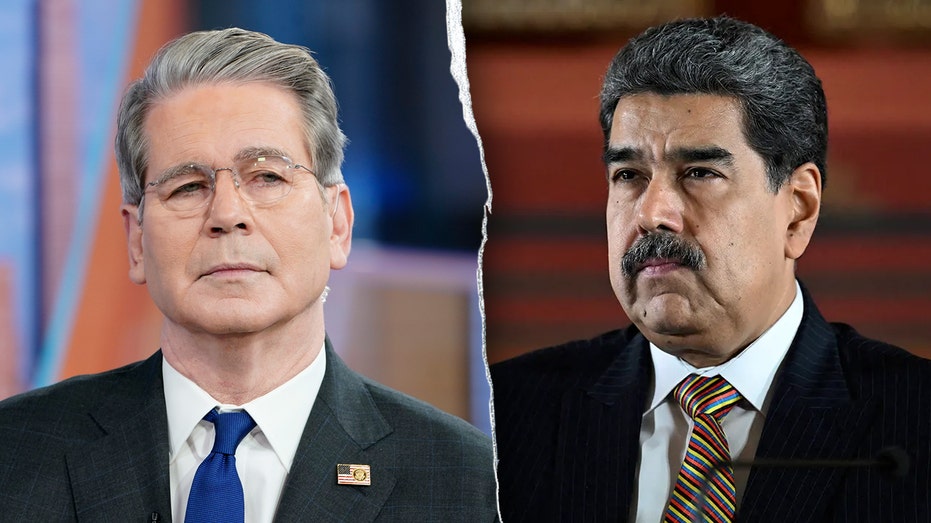
Treasury Secretary Scott Bessent delivered a stark warning: the United States will not stand idly by while Venezuela allegedly fuels the flow of illicit drugs into the country. He framed Maduro’s government not merely as a political opponent, but as a dangerous force destabilizing the entire region.
These sanctions build upon earlier actions taken this month, expanding the scope of the crackdown beyond individual officials. For the first time, the Treasury is directly confronting the familial ties that bind Maduro’s power structure together, aiming to disrupt the flow of resources and influence.
The focus centered on the families of Carlos Erik Malpica Flores and Ramon Carretero Napolitano, individuals already under scrutiny. The newly sanctioned list includes mothers, fathers, siblings, wives, and even adult children, revealing the extent to which the regime allegedly relies on family loyalty.
Eloisa Flores de Malpica, the mother of Malpica Flores and sister of Cilia Flores, a prominent figure in the Venezuelan government, was among those named. Also sanctioned were Carlos Evelio Malpica Torrealba, Iriamni Malpica Flores, Damaris del Carmen Hurtado Perez, and Erica Patricia Malpica Hurtado – all directly connected to Malpica Flores.
While the sanctions impose significant restrictions, the Treasury Department emphasized that they are not intended as permanent punishments. A formal process exists for individuals to petition for removal from the list, offering a potential path toward resolution.