A wave of American military strikes targeted Islamic State sites in Syria Friday, a direct response to the recent deaths of two Iowa National Guard soldiers and an interpreter. The operation, dubbed “Hawkeye Storm” in a nod to Iowa’s nickname, the Hawkeye State, signaled a swift and forceful commitment to retribution.
The strikes, impacting over 70 suspected ISIS locations around the ancient city of Palmyra, were initiated to eliminate ISIS fighters and dismantle their infrastructure. This action followed a promise from President Trump to avenge the lives lost in the December 13th attack.
Sergeant Edgar Brian Torres-Tovar, 25, of Des Moines, Iowa, Sergeant William Nathaniel Howard, 29, of Marshalltown, Iowa, and interpreter Ayad Mansoor Sakat of Michigan were killed while engaged in a critical mission supporting counter-terrorism operations. The assailant was neutralized by allied forces during the engagement.
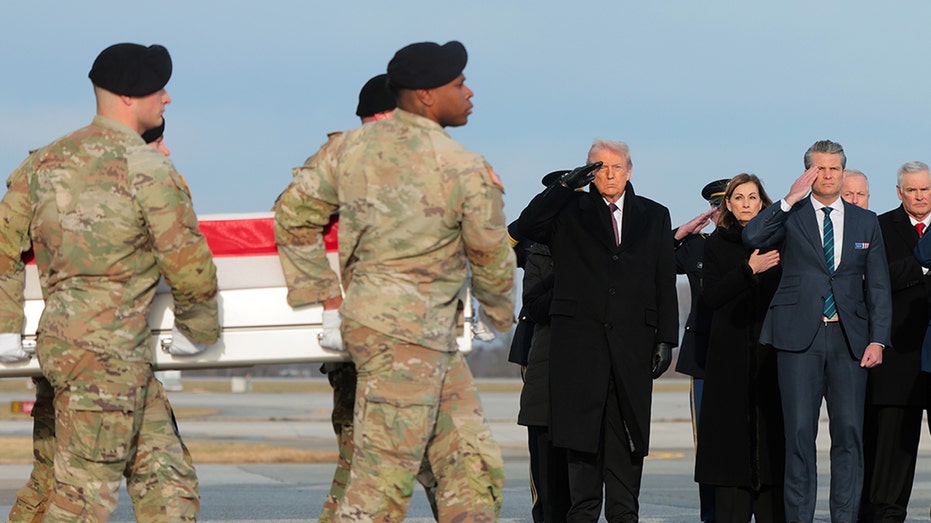
President Trump, having recently honored the fallen soldiers with a dignified ceremony, declared the strikes a fulfillment of his vow. He described the operation as a serious retaliation against the terrorists responsible for the senseless loss of American lives.
The President emphasized a stark warning to those who would threaten the United States, stating that any attack on American interests would be met with overwhelming force. He asserted that the U.S. would relentlessly defend its people and pursue those who target them.
Syria’s government reportedly supported the military action, viewing the eradication of ISIS as crucial for the country’s future. The region, steeped in history and conflict, holds the potential for a brighter future if the terrorist group is defeated.
In the days following the initial attack, collaborative operations between U.S. and Syrian forces resulted in the deaths or detentions of over two dozen ISIS-affiliated individuals. These raids yielded valuable intelligence that directly informed Friday’s strikes, including the seizure of electronic devices and crucial interviews.
A comprehensive review is underway to determine the extent of the attacker’s connections to extremist ideologies. He had infiltrated the Syrian Security Forces just two months prior and was undergoing scrutiny for suspected jihadist sympathies before the tragic incident.