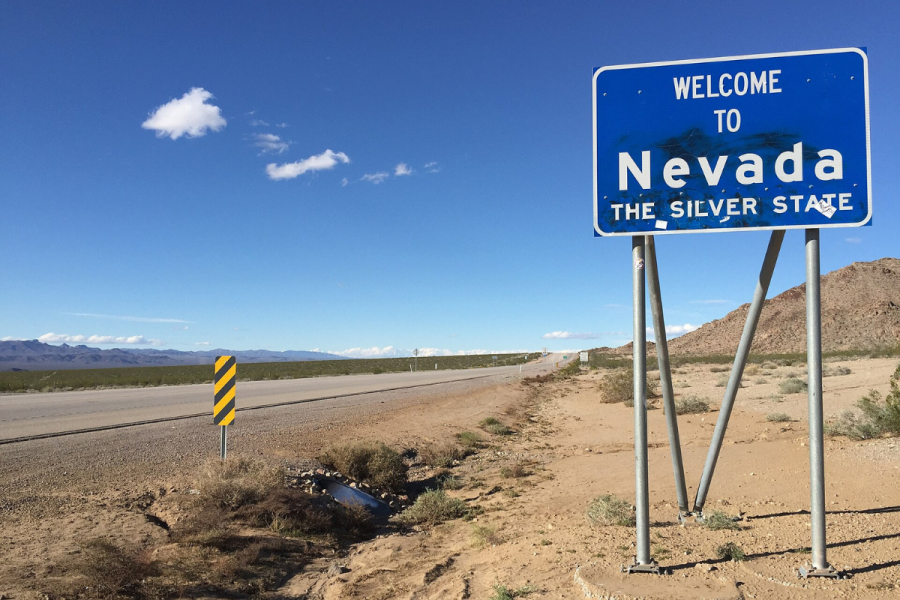
A fierce legal battle is escalating as Nevada regulators move to shut down Polymarket, a prediction market platform. The Nevada Gaming Control Board has filed for a temporary restraining order and preliminary injunction, signaling a significant escalation in the state’s crackdown on these emerging markets.
The core of the dispute lies in how Nevada defines these prediction contracts. Regulators argue that Polymarket’s offerings – bets on the outcomes of events – constitute illegal wagering, requiring a state gaming license to operate within its borders. This isn’t a new stance for Nevada, which fiercely protects its established gaming industry.
The Board’s filing specifically targets Polymarket and anyone acting on its behalf, aiming to halt the sale of event-based contracts to Nevada residents. Their statement emphasizes the critical role of the gaming industry to the state’s economy and the need for strict control to safeguard public welfare.

This action follows a recent wave of similar challenges across the country. Just last week, Tennessee issued cease-and-desist letters to Polymarket, Kalshi, and Crypto.com, demanding they immediately halt operations within the state. The pressure is mounting on these platforms nationwide.
Nevada has a history of aggressively policing the boundaries of legal gaming. Previously, the state revoked licenses from DraftKings and Flutter for similar ventures into prediction markets, demonstrating a clear unwillingness to allow unlicensed competition. Massachusetts recently granted an injunction against Kalshi, further illustrating this trend.
However, a potential shift in the regulatory landscape may be on the horizon. The Chairman of the Commodity Futures Trading Commission (CFTC) has announced a comprehensive review of financial market regulations, including a potential embrace of prediction markets. This federal-level consideration could reshape the future of these platforms.
The outcome of these legal battles will have far-reaching consequences, not only for Polymarket and its competitors but also for the broader future of prediction markets in the United States. The tension between state control and potential federal acceptance is reaching a critical point.