The summer heat brought with it a political firestorm. The demand to release the Epstein files ignited a furious debate, abruptly shortening the House’s planned vacation and halting critical spending bills. Republican leaders feared a bipartisan push to force the release, a move that threatened to derail the legislative agenda.
Yet, an unexpected calm descended upon the House Oversight Committee – a fragile détente, if it could be called that. On what would be the last day before a lengthy recess, the committee held a hearing on international trafficking, a seemingly unrelated issue that would soon become inextricably linked to the Epstein saga.
Representative Summer Lee, a Democrat from Pennsylvania, delivered a stunning maneuver. She engineered a subpoena for the Epstein files, a bold move that immediately escalated the tension. In response, Representative Scott Perry, a Republican also from Pennsylvania, proposed an amendment with even wider implications.
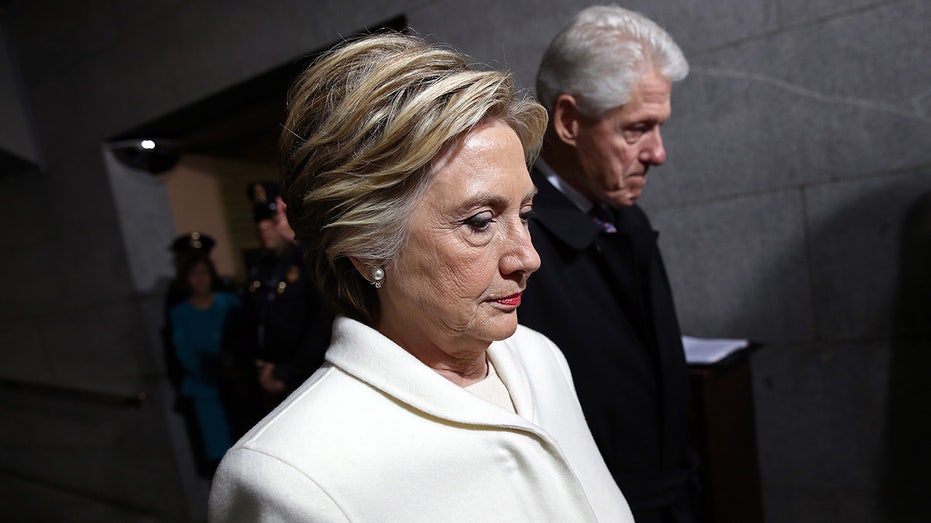
Perry’s amendment sought depositions from a constellation of prominent figures: Bill and Hillary Clinton, along with former Attorneys General and FBI Directors. The list was extensive, encompassing those connected to the original 2005 investigation into Jeffrey Epstein and the horrific abuse of underage girls. The aim was to uncover any potential cover-ups surrounding Epstein’s controversial “sweetheart deal” secured with then U.S. Attorney Alex Acosta.
While many on Perry’s list offered little substantive information, the Clintons presented a unique challenge. Bill Clinton’s past association with Epstein, documented in photographs, coupled with his own well-publicized scandals, made him a focal point. The committee initially scheduled a meeting with the Clintons for October, then December, but both were postponed due to a funeral.
When subsequent attempts to secure their testimony in January failed, Oversight Committee Chairman James Comer threatened contempt of Congress. The accusation resonated with some, like Representative John McGuire, who lamented a perceived double standard in the application of justice. “It always seems that the Democrat Party has rules for thee, not for me,” he stated.
The threat of contempt immediately drew parallels to the cases of Steve Bannon and Peter Navarro, who had previously refused to comply with subpoenas from the January 6th committee. The House had voted to hold them in contempt, a stark reminder of the committee’s power. Representative Derrick Van Orden forcefully argued that the law should apply equally to all citizens, regardless of their political affiliation.
However, the argument of selective enforcement was quickly countered. Lawmakers pointed to the “speech or debate” clause of the Constitution, which protects members of Congress from being compelled to testify. Furthermore, the House possessed the authority to refer non-compliant members to the Ethics Committee. The January 6th committee itself had faced challenges, as Speaker Pelosi had vetoed certain Republican appointments to the panel.
Ultimately, the Oversight Committee voted to hold both Bill and Hillary Clinton in contempt of Congress. The vote was surprisingly bipartisan, with nine Democrats joining Republicans. Representative Ayanna Pressley emphasized her focus on the survivors, stating the need to hear from anyone with relevant information, regardless of party lines. Representative Summer Lee echoed this sentiment, asserting the legal binding nature of the subpoena.
A contempt citation requires approval from the entire House and, if passed, a criminal referral to the Department of Justice. This is the path taken with Bannon and Navarro, but some Democrats cautioned that prosecuting a former President could be a legal quagmire and ultimately unproductive. Representative Dave Min warned that such proceedings would likely be tied up in court, preventing the Clintons from ever testifying.
Despite the potential legal hurdles, Chairman Comer remained confident that the House had the votes to refer the matter to the DOJ, believing public opinion was turning against the Clintons. He asserted, “Subpoenas are not mere suggestions. He is not above the law.”
Yet, some Democrats argued the focus on the Clintons was a deliberate distraction, a tactic to divert attention from the full release of the Epstein documents. Representative James Walkinshaw accused the committee of solely aiming to protect Donald J. Trump. Others called for a shift in focus, urging the committee to target Attorney General Pam Bondi for withholding the files.
Representative Rashida Tlaib powerfully articulated the core motivation driving the investigation: the voices of the survivors. “All I needed to do is hear the survivors tell us, ‘Please, do something.’ These are people that have impacted their lives forever.”
The committee announced a virtual deposition with Ghislaine Maxwell, a key associate of Epstein, scheduled for February. Simultaneously, the House Judiciary Committee would hear from Pam Bondi, promising further scrutiny of the Epstein case. As February approached, Congress remained locked in the same contentious battle that had derailed its agenda months earlier, the shadow of Epstein looming large.