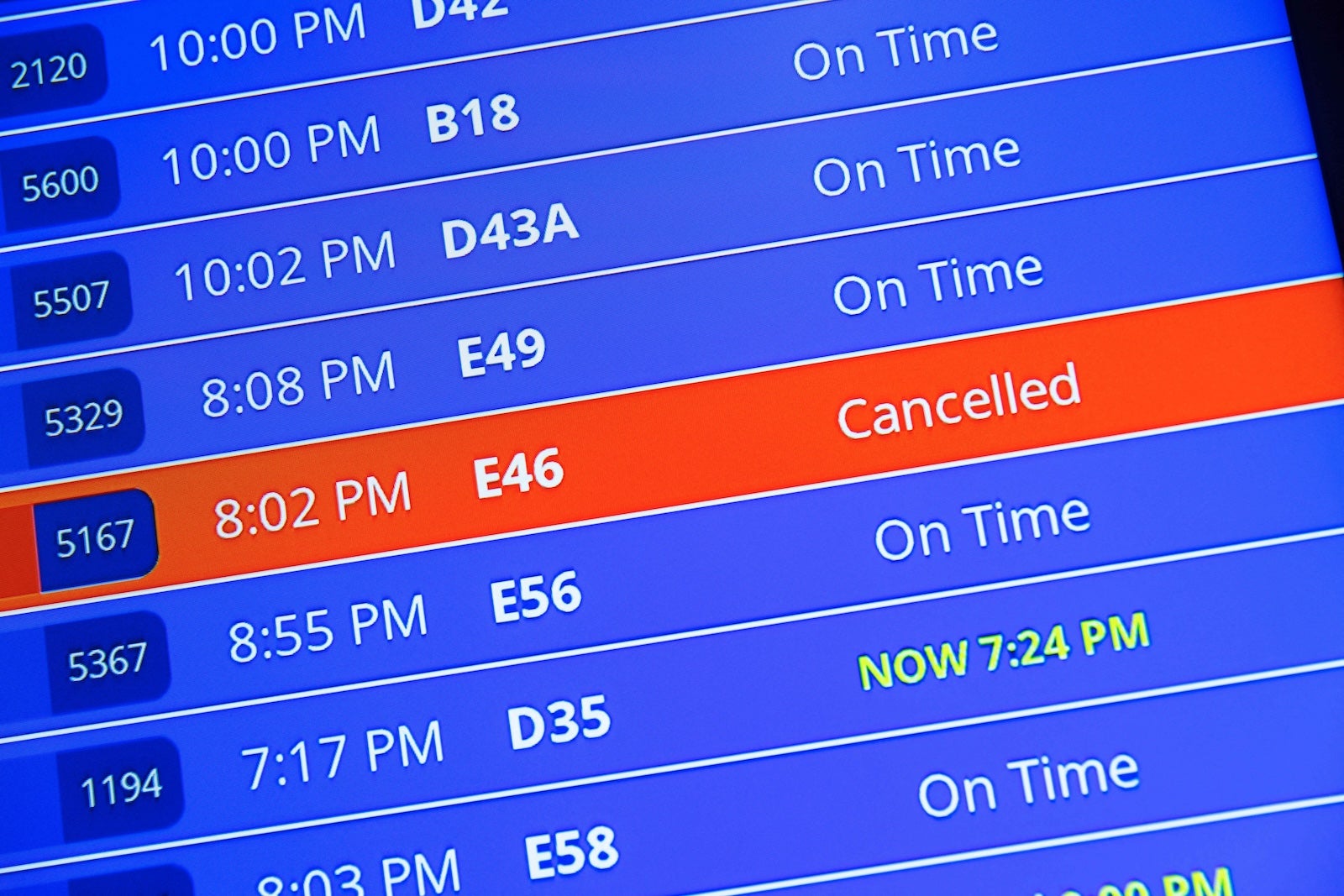
A ripple effect is building across the nation’s air travel system, and passengers should prepare for potential chaos. Even if your destination isn’t directly in the path of the winter storm, your flight could still be significantly impacted in the days ahead.
The problem isn’t just about where the storm *is*, but where its effects *reach*. Aircraft and flight crews are constantly moving, and a single disruption in a major hub can create cascading delays and cancellations nationwide.
Imagine a flight scheduled from Los Angeles to San Francisco. It seems far removed from the icy grip of Atlanta or the blizzards in Philadelphia, right? But if the plane or the pilots assigned to that route are stuck in one of those affected cities, your journey is immediately jeopardized.
This isn’t a localized issue; it’s a systemic vulnerability. Airlines operate on incredibly tight schedules, and even minor setbacks can quickly snowball into widespread disruptions, impacting travelers across the country.
The coming days will test the resilience of the air travel network. Passengers should anticipate the possibility of delays, cancellations, and significant challenges in rebooking flights, even for routes seemingly unaffected by the weather.
Staying informed about the storm’s progress and your airline’s operational status is crucial. Proactive monitoring and a flexible mindset will be your best allies in navigating this potentially turbulent period.


