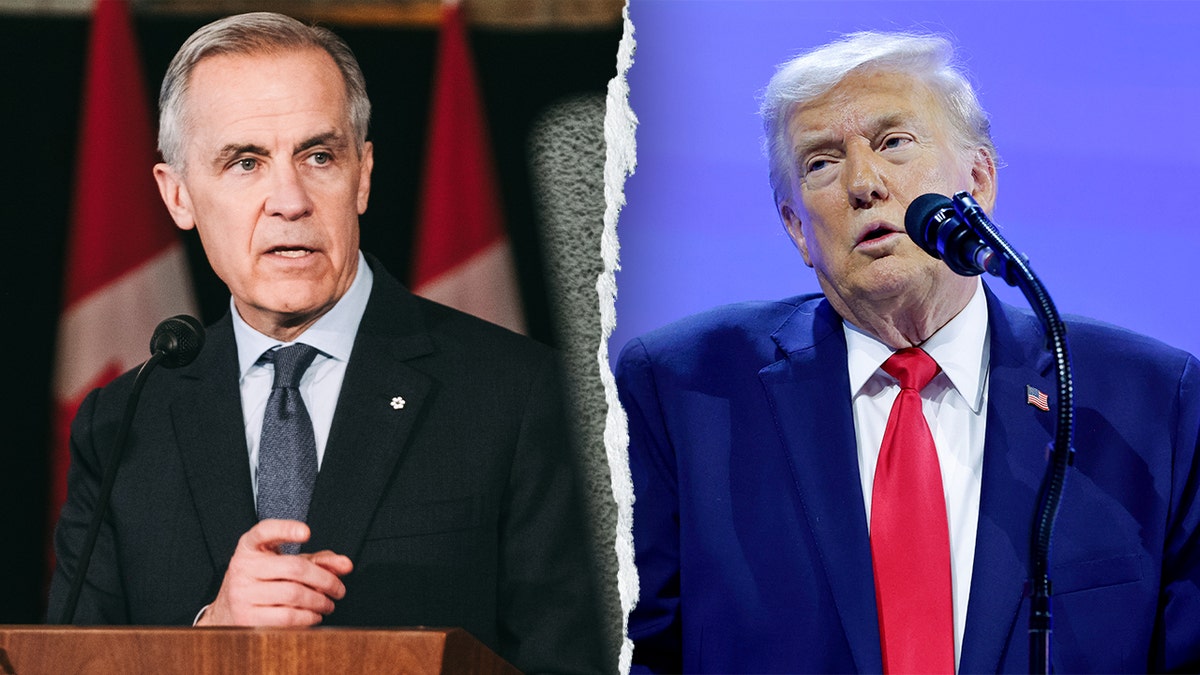
A stark warning reverberated across the US-Canada border this weekend, as former President Donald Trump issued a direct threat regarding potential trade agreements. He alleged that a deal allowing Canada to serve as a conduit for Chinese goods into the United States would be met with swift and severe economic retaliation.
Trump’s statement, delivered via his social media platform, painted a dramatic picture of the potential consequences for Canada. He asserted that China would “completely devour” Canada, dismantling its businesses and fundamentally altering its societal structure should such an agreement materialize.
The core of the threat centered on a proposed arrangement that would designate Canada as a “drop off port” for Chinese exports. Trump specifically targeted Delaware Governor John Carney, suggesting Carney was actively pursuing this possibility, and warned him against such a move.
The former president didn’t mince words, declaring an immediate imposition of a 100% tariff on all Canadian imports into the US if a deal with China were to be finalized. This would effectively shut down a significant portion of trade between the two nations.
The situation remains fluid, with the potential for significant economic disruption hanging in the balance. The implications of Trump’s statement are already prompting discussion and analysis regarding the future of US-Canada trade relations and the broader geopolitical landscape.