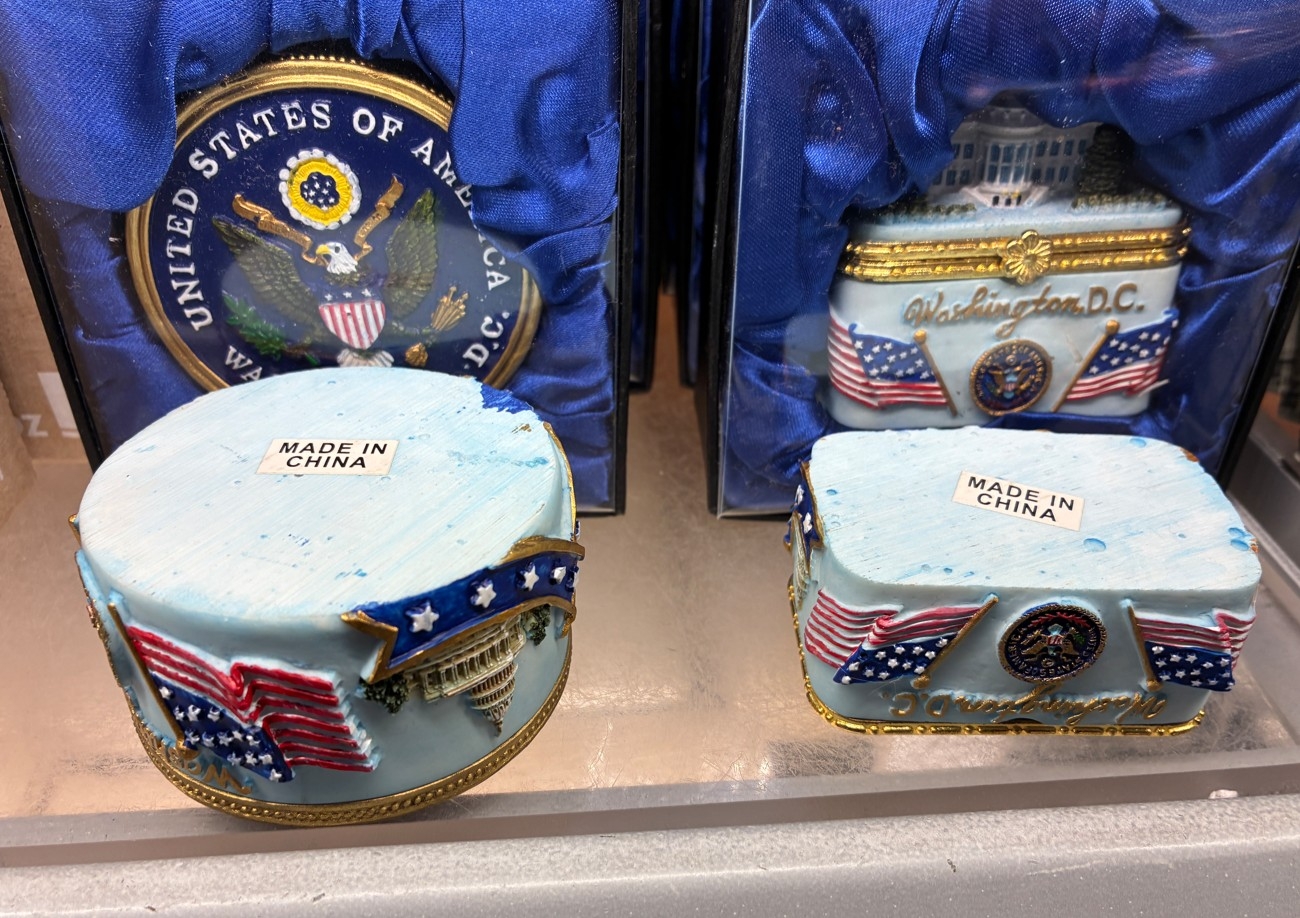
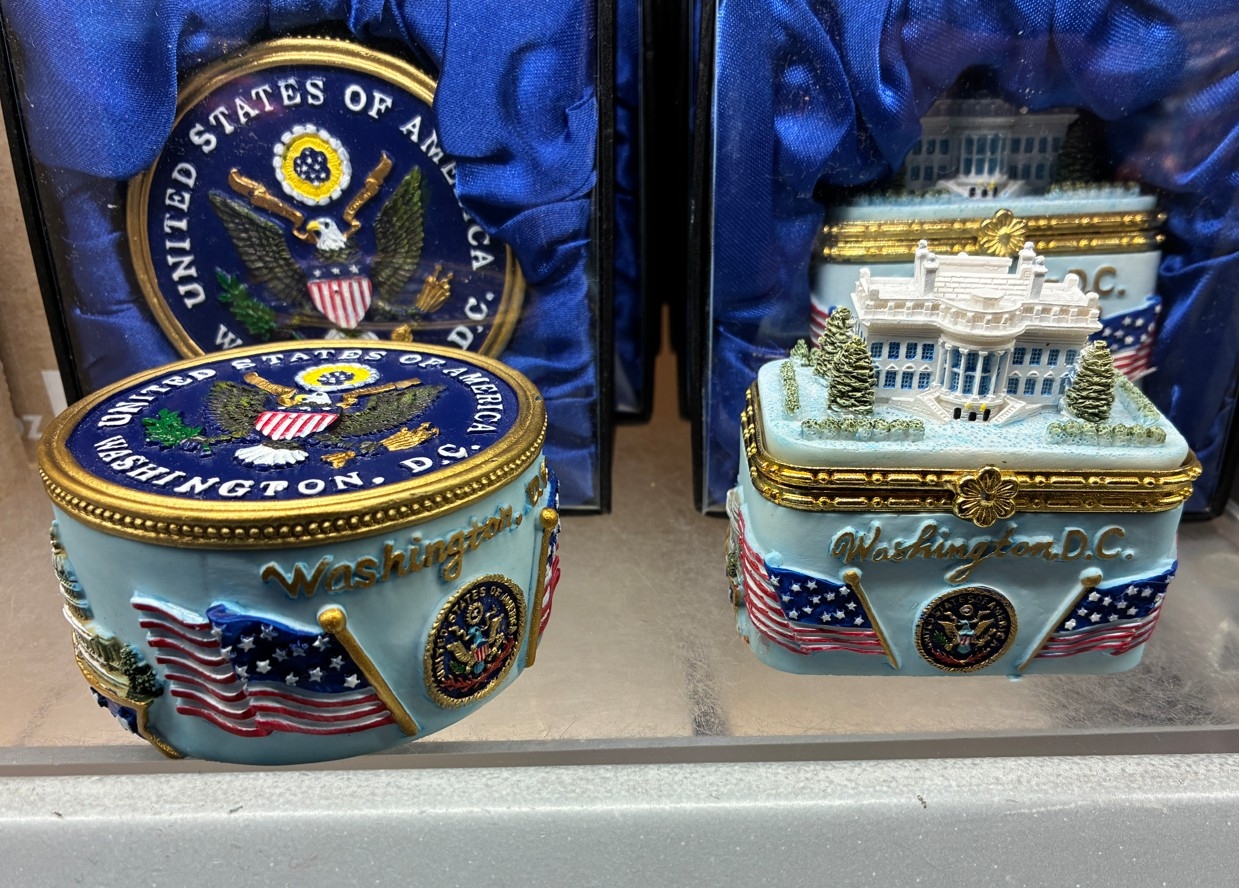
The irony hangs heavy in the air, a stark contrast playing out in American gift shops. While former President Trump vehemently criticizes Canada’s burgeoning trade relationship with China, shelves are stocked with miniature White Houses, Capitol Buildings, and American seals – all proudly stamped with “Made in China.”
This isn’t a hidden detail; it’s a readily visible reality. Just fifteen minutes from the heart of American power, at Reagan National Airport, these Chinese-made Americana are openly displayed. The situation begs a pointed question: why is it acceptable for the U.S. to profit from goods manufactured in China, yet deemed unacceptable for Canada to pursue a similar path?
The hypocrisy is particularly sharp considering the substantial trade agreement Trump himself signed with China in October 2025 – a $600 billion deal. This agreement facilitated the very flow of goods now seemingly condemned when considered in the context of Canada’s economic decisions.
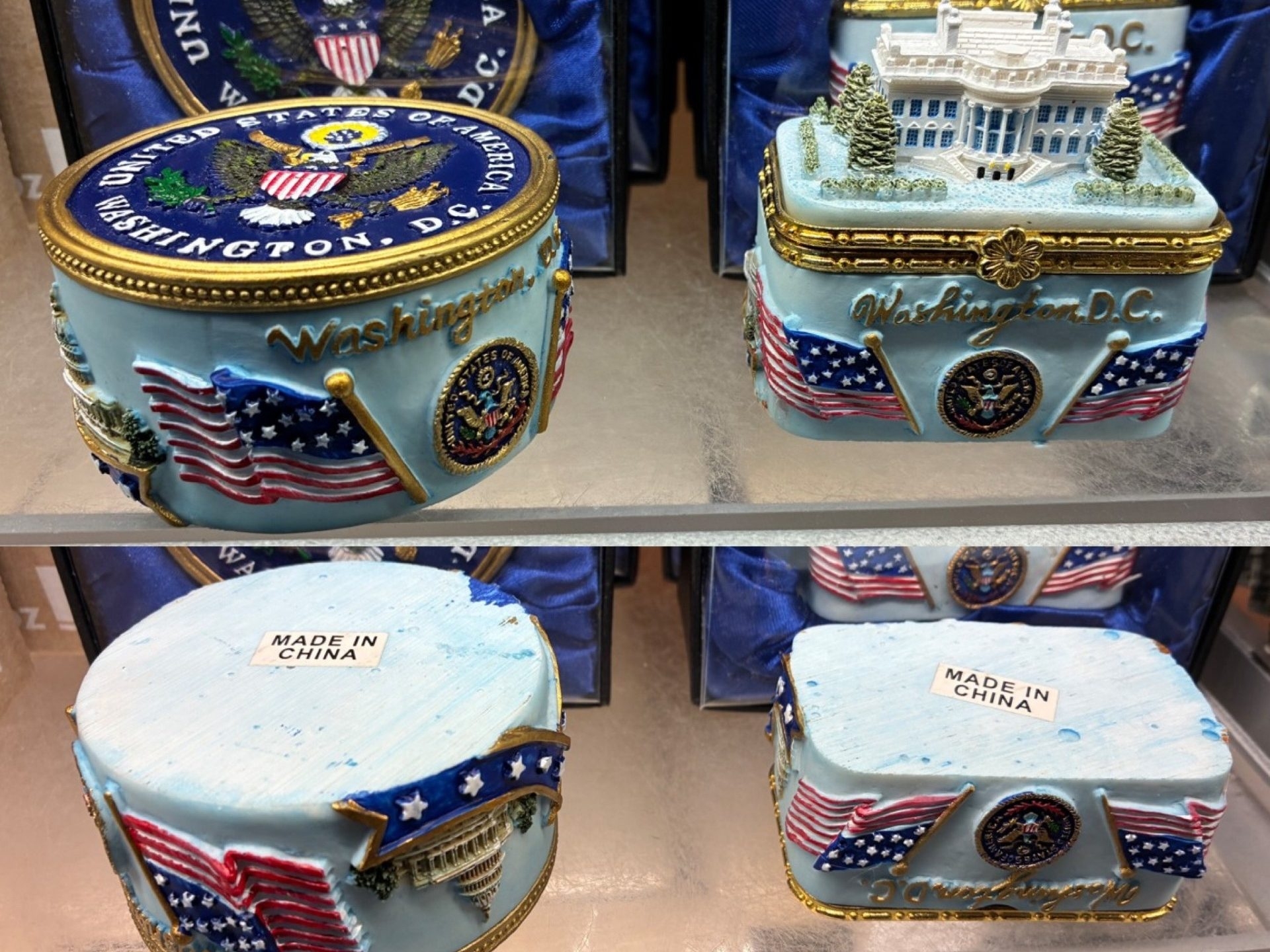
Trump’s warnings about Canada’s “general way of life” being threatened by a Chinese trade deal ring hollow when juxtaposed with the reality of Chinese-made White House souvenirs. His pronouncements, often delivered via social media, paint a picture of protectionism, yet the U.S. economy demonstrably relies on Chinese manufacturing.
The former President has threatened a crippling 100% tariff on all Canadian goods entering the U.S. should Canada finalize its trade agreement. This aggressive stance raises a crucial point: will American importers of Chinese-made goods face similar penalties?
Trump’s anxieties, publicly expressed, center on preventing China from gaining influence over Canada. He insists such a scenario is impossible, yet the presence of “Made in China” souvenirs in the nation’s capital suggests a complex and already existing economic entanglement.
The situation highlights a glaring double standard, a “do as I say, not as I do” approach to international trade. It forces a re-evaluation of the motivations behind the rhetoric and the practical realities of global commerce.