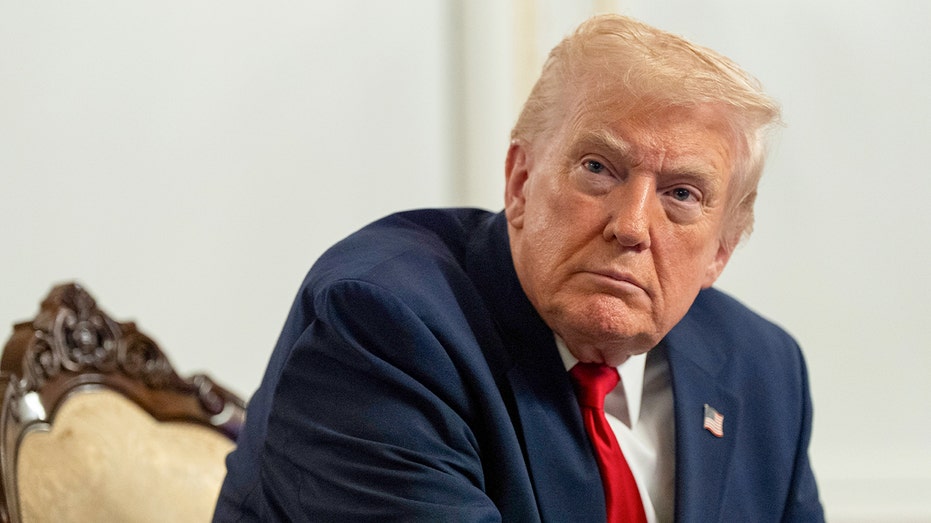
The windswept greens of Trump Turnberry in Scotland served as the backdrop for a tense meeting between President Donald Trump and U.K. Prime Minister Keir Starmer. Beyond the pleasantries, a stark warning was delivered – a message aimed squarely at the heart of Europe’s future.
A newly released U.S. National Security Strategy paints a grim picture, asserting that Europe stands on the precipice of “civilizational erasure.” The document doesn’t focus on economic woes, but rather a far more profound threat to the continent’s very identity.
The strategy directly challenges the direction of many European nations, citing a disturbing trend of suppressing dissenting voices. It alleges that governments are actively criminalizing citizens for expressing views that challenge prevailing progressive ideologies, effectively silencing debate.

The 33-page document details a confluence of factors contributing to this perceived crisis: the overreach of transnational bodies like the European Union, destabilizing migration policies, plummeting birthrates, and a fading sense of national pride. These elements, it argues, are collectively eroding the foundations of European society.
However, the strategy isn’t entirely pessimistic. It highlights the rise of patriotic parties across the continent – Alternative for Germany, Spain’s Vox Party, France’s National Rally, and Britain’s Reform Party – as a potential source of renewal and hope.
The U.S. government explicitly expresses encouragement for these movements, viewing their growing influence as a positive development. The document suggests that a revival of national spirit is crucial for Europe’s survival.
A particularly controversial assertion within the strategy warns of demographic shifts that could fundamentally alter the character of European nations. It suggests that within decades, several NATO members could become majority non-European, raising concerns about the preservation of cultural heritage.
Predictably, the document has sparked outrage among many European leaders. German Foreign Minister Johann Wadephul dismissed the warnings as unwanted interference, asserting Europe’s ability to manage its own affairs and debate its own future.
The core of the disagreement lies in differing visions for Europe’s path forward. While the U.S. strategy advocates for prioritizing national identity and curbing mass immigration, many European governments remain committed to policies of open borders and multiculturalism, even in the face of growing internal tensions.
This clash of ideologies signals a deepening rift between the United States and its European allies, raising fundamental questions about the future of the transatlantic relationship and the very soul of Europe itself.