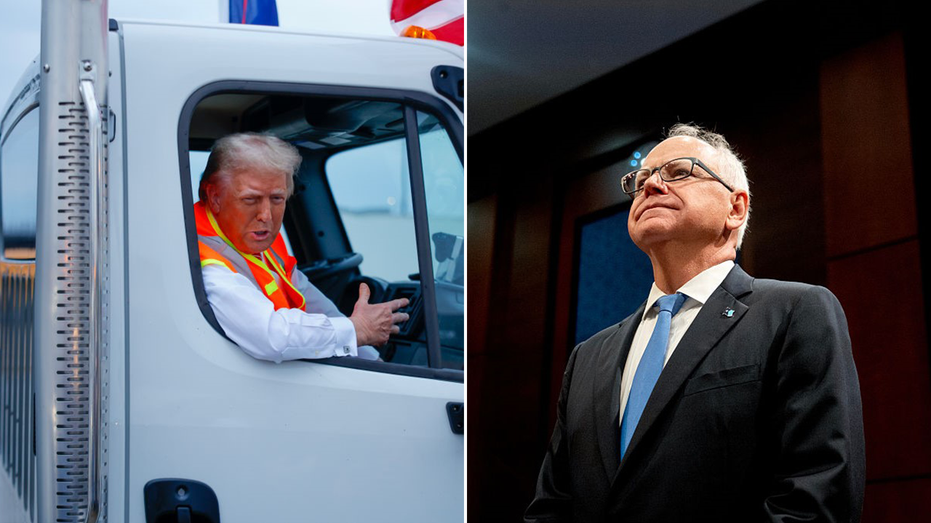
The governor of Minnesota publicly rebuked the former president after a series of deeply disparaging remarks aimed at the state’s Somali community. The comments, described as unprecedented for a U.S. president, ignited a firestorm of criticism and concern.
The former president’s statements centered around allegations of fraud involving government programs and a connection to the militant group al-Shabab. Despite reports that the alleged scheme’s central figure is not Somali, the community became the target of harsh and sweeping generalizations.
The situation escalated with the former president’s claims that Minnesota had become a “hub of fraudulent money laundering activity” and a “hellhole” due to the presence of Somali residents. He even went so far as to state that Somalis should “be out of here,” claiming they had “destroyed our country.”
These attacks extended to a sitting member of Congress, a Somali-American representative, who was also personally targeted with the same demeaning language. The rhetoric fueled fears of increased discrimination and hostility towards the community.
Minnesota is home to the largest Somali population in the United States, with approximately 84,000 people of Somali descent residing in the Minneapolis and St. Paul areas. A significant majority were born in the U.S. or have become naturalized citizens.
The governor emphasized the vital contributions of the Somali community to the state’s economic and cultural landscape, arguing that demonizing an entire group based on ethnicity was unacceptable. He framed the situation as a dangerous departure from American values.
While some Republican leaders expressed discomfort with the former president’s language, they largely focused on the issue of fraud within social service programs. They argued that stronger enforcement was needed, rather than directly condemning the president’s rhetoric.
One Republican leader suggested the controversy wouldn’t have arisen if the governor had been more proactive in addressing fraud. Another acknowledged the comments were poorly phrased but echoed the former president’s frustration with alleged corruption.
The exchange is the latest chapter in a long-running and intensely personal feud between the governor and the former president. Past insults have been traded freely, with both leaders resorting to increasingly harsh and inflammatory language.
The governor has previously labeled the former president a “wannabe dictator” and a “cruel man,” while the former president has attacked the governor’s competence and character with equally scathing terms. The conflict underscores a deep political divide and raises concerns about the impact of divisive rhetoric on the state.