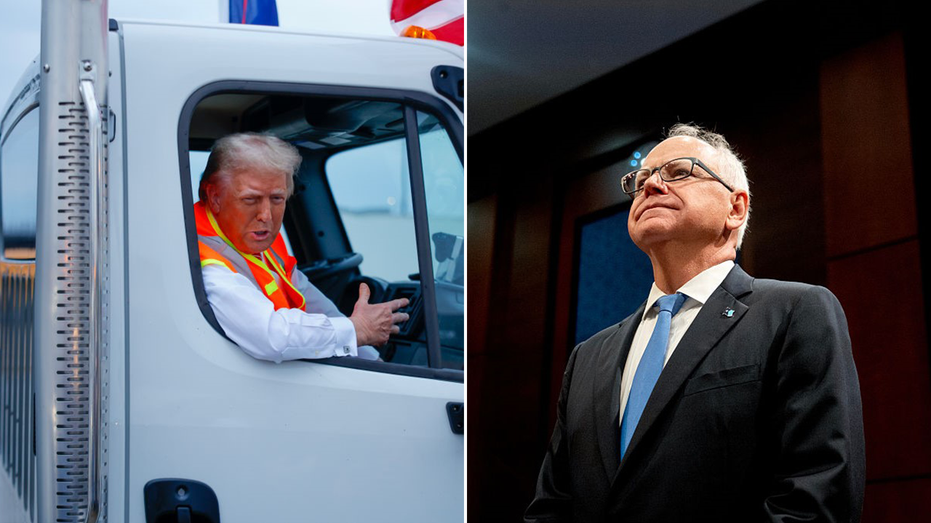
A year after devastating wildfires ripped through Southern California, leaving thousands homeless, a startling blame game has begun. The focus? A public accusation leveled by a prominent governor against a former president, a move many are calling a brazen attempt to deflect responsibility.
The governor’s claim, broadcast via social media, directly implicates the previous administration in the stalled rebuilding efforts. He alleges a broken promise – a pledge to “take care” of the recovery – and accuses the former president of failing to even request congressional relief funds. The message is stark: the responsibility lies elsewhere.
However, the accusation has been met with widespread skepticism and fierce backlash. Reports indicate a significant sum of money – billions of dollars – allocated for recovery remains unaccounted for, raising serious questions about its disbursement and the progress of rebuilding permits.

The situation is further complicated by recent attempts to showcase progress that quickly unraveled. A public claim of rebuilding a single home was exposed as misleading, fueling accusations of dishonesty and exacerbating public distrust.
Ordinary citizens, taking to social media, have voiced their outrage and demanded accountability. They are questioning where the allocated funds have gone and why, after a year, not a single permit has been approved for substantial rebuilding in the affected areas.
The criticism isn’t simply about the lack of rebuilding; it’s about a perceived lack of leadership and a troubling pattern of deflection. Many are pointing out the governor’s own responsibility to expedite permits and oversee the effective allocation of resources.
The narrative has shifted from seeking aid to demanding answers. The public is asking a fundamental question: with billions available, why are families still living in the aftermath of the fires, waiting for a chance to rebuild their lives?
As the political fallout continues, the situation raises concerns about the future and the potential for further delays. The promise of recovery feels distant, overshadowed by accusations, unanswered questions, and a growing sense of frustration.
The stark reality is this: while political battles rage, the families who lost everything remain in limbo, their homes still in ruins, a year after the flames were extinguished. The focus, many argue, should be on action, not blame.