A quiet act of kindness – rescuing a kitten – triggered a terrifying chain of events culminating in a tragic death earlier this year. An organ recipient in Michigan succumbed to rabies in February, a case health officials confirmed last Thursday, revealing a heartbreaking link to a selfless deed.
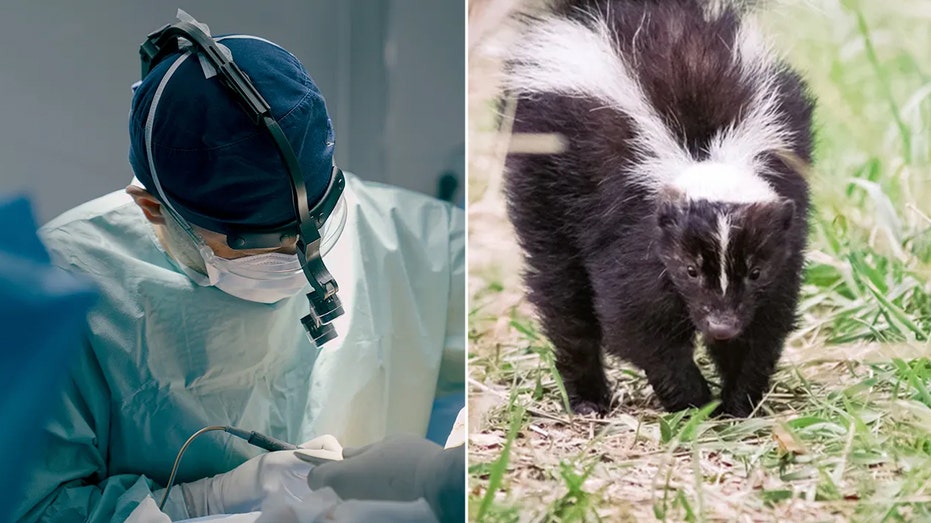
The donor, a man from Idaho, had intervened when a skunk aggressively approached a kitten he was holding in an outbuilding. He sustained a seemingly minor scratch to his shin during the encounter, dismissing it as a scrape from the skunk’s struggle. Little did he know, this single scratch would set in motion a fatal course.
Within five weeks, the donor began experiencing a constellation of disturbing symptoms: hallucinations, difficulty swallowing, unsteady gait, and a crippling stiff neck. He was found unresponsive at home, initially believed to be suffering a heart attack. Despite resuscitation efforts, he was declared brain-dead and life support was withdrawn.
The donated organs, including a kidney that went to the Michigan patient, were given after the family disclosed the skunk encounter on a donor-risk assessment form. Crucially, rabies wasn’t a standard screening point due to its extreme rarity in the United States. This oversight proved devastating.
The recipient of the kidney developed severe symptoms just 51 days after the transplant – fever, uncontrollable tremors, agonizing difficulty swallowing, and a paralyzing fear of water. These hallmarks of rabies quickly escalated, leading to his untimely death. The donor was later determined to have been infected with a rare variant carried by silver-haired bats.
Three other individuals received corneal tissue from the same donor. Thankfully, they underwent immediate graft removal and received post-exposure rabies treatment, remaining asymptomatic. A wider investigation identified 370 potential contacts, with 46 recommended for preventative rabies procedures.
This tragic case marks only the fourth documented instance of rabies transmission through organ transplantation in the U.S. since 1978. While the risk remains exceptionally low, it underscores a critical gap in current protocols.
Health officials are now urging transplant teams to proactively consult with public health experts whenever a potential donor reports recent bites or scratches from animals known to carry rabies, particularly if the donor exhibited any unexplained neurological symptoms. Currently, no standardized guidance exists for addressing these exposures.
Despite approximately 1.4 million Americans receiving care for potential rabies exposure each year, fatalities are rare thanks to effective prevention strategies. This case, however, serves as a stark reminder of the insidious nature of the virus and the importance of vigilance in protecting both recipients and donors.
The incident has prompted a reevaluation of donor screening processes, aiming to balance the urgent need for organs with the paramount importance of safeguarding the health of those who receive them. It’s a somber lesson learned from a compassionate act gone tragically wrong.