A quiet Ottawa, bracing for the Christmas break, was jolted by another political defection. Conservative MP Michael Ma unexpectedly crossed the floor to join the Liberal ranks, sending ripples of surprise and calculation through Parliament Hill.
This isn't an isolated incident. Ma’s departure marks the second Tory MP to switch allegiance in just five weeks, dramatically shifting the political landscape and bringing the governing Liberals within a single seat of a majority.
The defection raises fundamental questions about candidate selection within the Conservative party. One observer noted the need to prioritize recruits genuinely committed to conservative principles, rather than simply seeking a parliamentary seat.
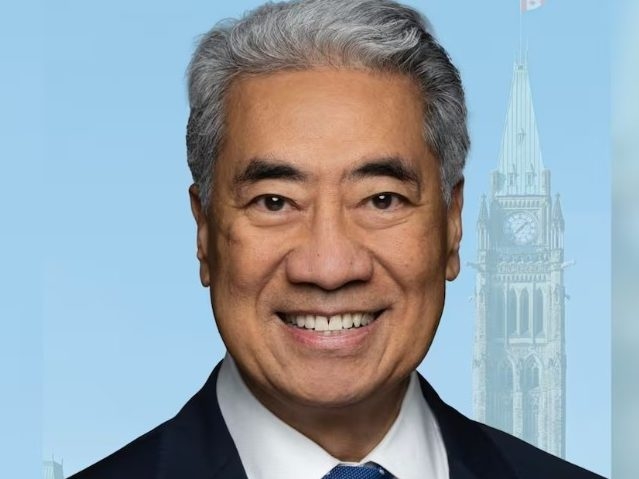
Ma’s background remained largely unknown before this move, raising concerns about a lack of deep engagement with the conservative movement. His arrival in the Liberal caucus adds to a growing sense of unease within the Conservative party.
The riding Ma previously represented, Markham-Unionville, was itself the subject of controversy during the last election. The previous Liberal candidate withdrew after making inflammatory remarks regarding a Conservative opponent and a substantial bounty offered by Hong Kong authorities.
The bounty, placed on the head of a Conservative candidate for alleged activism, underscored the high stakes and international dimensions of the political contest. This backdrop adds another layer of complexity to Ma’s decision.
Liberal strategists suggest Ma isn’t alone in considering a change. Whispers of discontent within the Conservative caucus have been circulating, hinting at further potential departures from Pierre Poilievre’s leadership.
The timing of these defections is particularly sensitive, as Poilievre faces a critical confidence vote in January. The looming vote forces a reckoning within the party, demanding an honest assessment of his leadership and its appeal.
Despite the turmoil, some argue that removing Poilievre would be a mistake. They point to the challenges inherent in opposition leadership, recalling Stephen Harper’s own difficult early years before achieving long-term success.
The current situation demands a sober evaluation, not a hasty reaction. Maintaining a consistent conservative voice, even amidst internal challenges, is seen as crucial for the party’s future.
The defections serve as a stark warning. They highlight the importance of ideological alignment and the potential consequences of recruiting candidates without a firm grounding in the party’s core values.
As the political fallout continues, the focus shifts to the Conservative caucus. The question now is not just who might leave next, but what fundamental changes will be made to prevent further erosion of their ranks.