A shadow hangs over Ottawa, revealing a complex and troubling story of government funds and hateful rhetoric. Over $142,000 – the original $122,661 plus accrued interest – remains at the center of a dispute involving a contract awarded to Laith Marouf, a man whose online posts are filled with virulent antisemitism.
In the summer of 2022, the Department of Heritage abruptly cancelled its contract with Marouf’s Community Media Advocacy Centre. The intended purpose? To advance the government’s anti-racism agenda. The irony is stark, considering the deeply prejudiced views Marouf openly espoused.
Conservative MP Rachael Thomas brought the issue to light, describing Marouf’s online statements as horrifying. He reportedly referred to Jewish people with unspeakable cruelty, labeling them with hateful and dehumanizing language. The revelation sparked outrage and questions about the vetting process for government contracts.
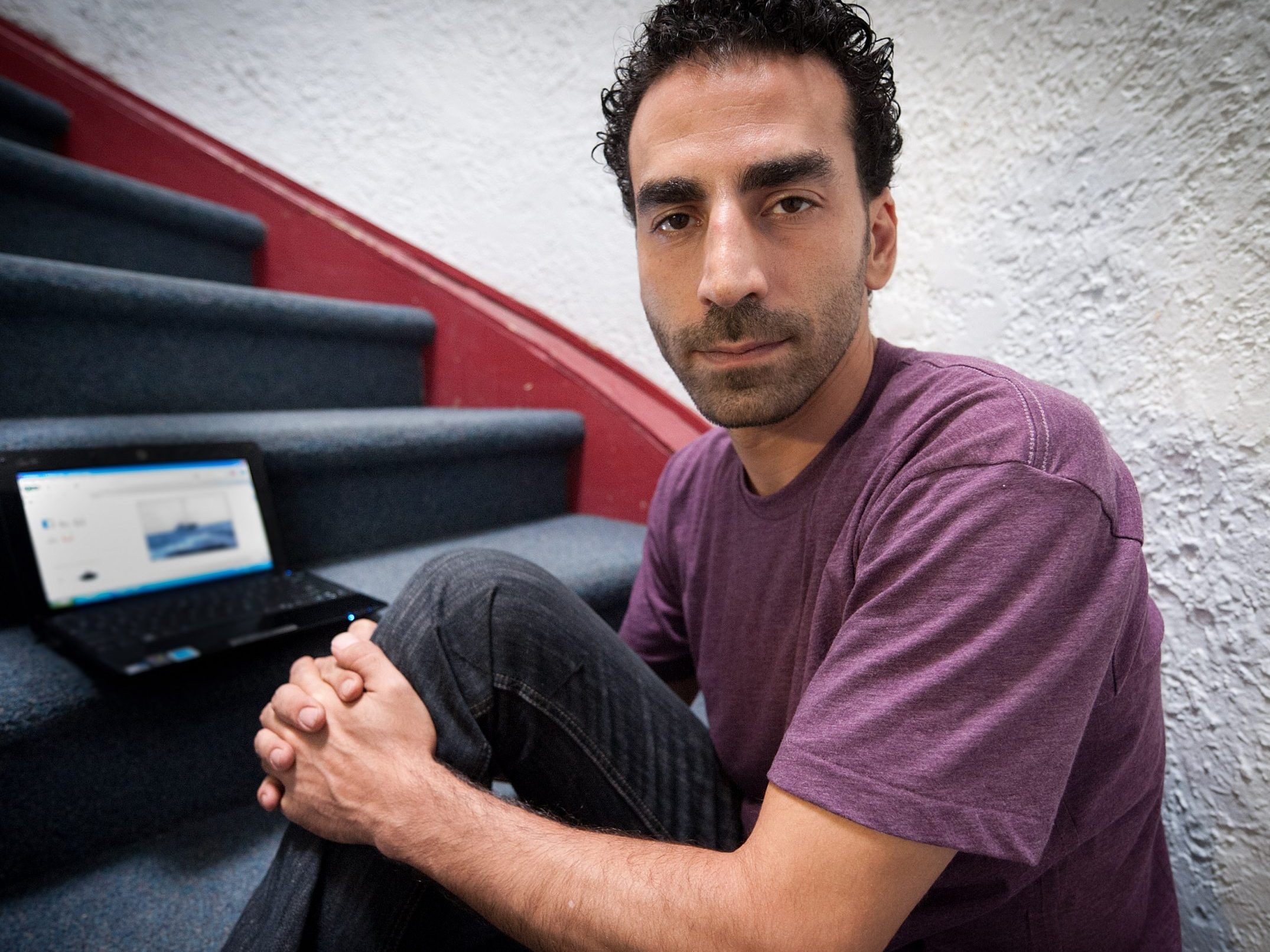
Marouf’s online history painted a disturbing picture. Beyond antisemitism, his posts contained disparaging remarks targeting Francophones and Black individuals, revealing a pattern of bigotry. He called for violence against Jewish people and demanded they leave Israel, while simultaneously demeaning other communities with offensive slurs.
The government initiated legal action in late 2023 to recover the funds, but attempts to ascertain the progress of these efforts were met with silence. A response to an order paper question revealed a settlement agreement reached in March 2025, shrouded in a confidentiality clause that prevented any disclosure of details.
A previously undisclosed Heritage Department briefing note revealed a prior attempt to negotiate a $40,000 settlement in June 2024, with both sides bearing their own legal costs. This offer was seemingly ignored, leading the government to pursue legal action after third-party collection agencies failed to yield results.
Adding another layer of complexity, Marouf fled Canada following the scandal and was subsequently arrested in Lebanon in May, found in a restricted area near the Israeli border. Attempts to reach him for comment proved unsuccessful, leaving many questions unanswered.
The decision to settle for less than the full amount has ignited criticism, with Thomas arguing it effectively excuses Marouf’s behavior. At a time when antisemitism is demonstrably rising across Canada, the secrecy surrounding the agreement has deepened the pain felt by the Jewish community and eroded public trust.
The core issue isn’t simply about recovering lost funds; it’s about accountability and sending a clear message that hate speech will not be tolerated, especially when it’s been funded by taxpayer dollars. The public expects a government to pursue every avenue to recoup misused funds, and a settlement, in this case, feels like a concession to prejudice.
This case raises fundamental questions about due diligence, the protection of public funds, and the government’s commitment to combating hate. The silence surrounding the settlement only fuels speculation and underscores the need for transparency in matters of public concern.