The seats at the Toronto Police Services Board meetings felt strangely empty. For months, Kris Langenfeld and Derek Moran – two voices often challenging the status quo – were silenced. Their usual presence, a blend of citizen concern and pointed critique, was abruptly absent, replaced by an unsettling quiet.
Both men received identical letters: a 60-day ban from speaking at board meetings. A punishment, they claim, not outlined in any city bylaw. Langenfeld intends to challenge the ban in court, viewing it as a direct assault on public participation. Moran, while resigned to the situation, believes the board’s issue is specifically with his outspokenness.
Langenfeld and Moran are known as “deputants” – regular citizens who utilize their right to address the board. They’ve become familiar figures, often acting as unofficial watchdogs, holding power accountable with a directness rarely seen within the formal structures of government.
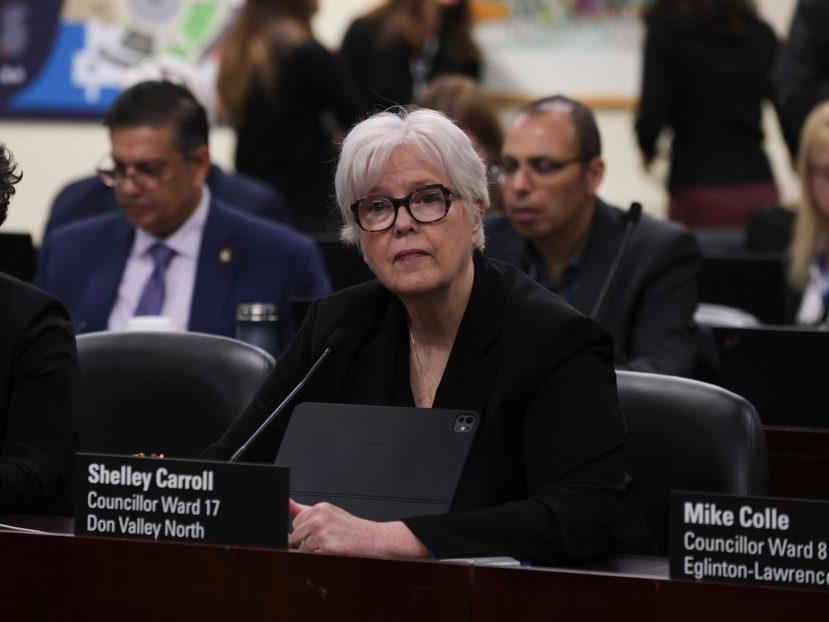
The recent clashes weren’t subtle. Moran, during a November meeting, publicly labeled the Chief of Police a “sociopath” and accused a Councillor of “ruining the board.” The comments drew a sharp warning from the Councillor, a threat of “written actions” met with a defiant rebuttal about overreaching authority.
April’s meeting escalated dramatically. Moran’s microphone and camera were cut, the room was cleared, and he alleges he was arrested and detained for 30 hours after refusing to leave. The charge was later stayed, but the incident underscored a growing tension between the board and its most vocal critics.
Moran connects the bans to the public outcry following the acquittal of an accountant in a police officer’s death. He believes the board sought to suppress criticism of the Chief and quell public outrage by silencing dissenting voices. The bans, he argues, were a deliberate attempt to control the narrative.

Langenfeld’s offenses were different, but equally provocative. During a presentation on public consultation, he questioned the board’s integrity, suggesting they were supported by “B.S.” The Chairman immediately demanded “parliamentary language,” a request Langenfeld met with a scathing critique of the board’s commitment to freedom of expression.
The board’s response wasn’t always direct silencing. Deputy Mayor Amber Morley once gently urged Langenfeld to “take a deep breath” during a particularly heated exchange, a plea he countered by asserting his right to express himself under the Charter of Rights and Freedoms.
Langenfeld’s activism began after the tragic shooting of Sammy Yatim in 2013. Over time, his focus shifted from policing practices to the conduct of the board itself. He describes a recent confrontation with the Chairman as the catalyst for his more aggressive approach.
He took issue with a recent police report, a 35-page document filled with acknowledgements and commitments to diversity, but lacking, in his view, genuine substance. He felt the Chairman dismissed his concerns too quickly, prompting a sharp exchange and ultimately contributing to the ban.
The atmosphere at the board meetings has noticeably chilled. Moran reports that others are now “scared” to speak, fearing similar repercussions. The bans have cast a shadow over public participation, creating a sense of intimidation.
The board maintains the bans are a result of repeated violations of procedural bylaws, emphasizing that the individuals can still submit written deputations and attend meetings as long as they adhere to the rules. However, the message is clear: dissent will not be tolerated.
During a recent meeting, the Chairman even threatened to remove another regular deputant who voiced concerns about the budget process. The threat served as a stark reminder of the board’s willingness to enforce its authority, even at the expense of open dialogue.
The situation raises fundamental questions about the balance between order and free speech, and the role of citizen oversight in a democratic society. The silencing of Langenfeld and Moran may have quieted the room, but it has also ignited a debate about the limits of power and the importance of holding those in authority accountable.