A shift is underway, and the city of Windsor, Canada, stands to benefit as the United States navigates a period of technological and environmental policy changes. Experts suggest that current policies south of the border could inadvertently fuel innovation and investment north of it.
The United States’ approach to trade and research is creating an opening for Canada to forge new partnerships and attract crucial investment. Recent agreements, like the one with China to reduce tariffs on electric vehicles, are sparking debate but also signaling a willingness to explore opportunities beyond traditional North American markets.
This isn’t simply about shifting manufacturing; it’s about cultivating a hub for advanced technology. Auto industry consultant Stephen Beatty emphasizes the potential for Canada to excel in design, engineering, software, and cybersecurity – areas less reliant on physical trade and less vulnerable to tariffs.
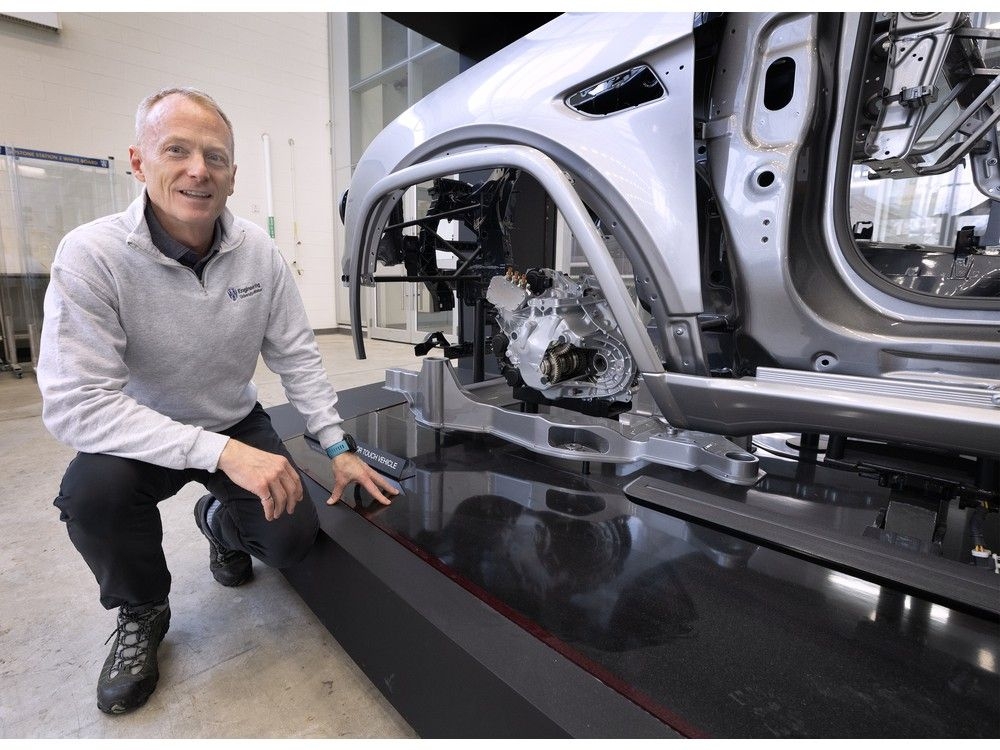
The current administration’s actions – halting clean energy projects, dismantling research programs, and rolling back environmental standards – represent a significant departure from previous policies. Billions of dollars in grants have been rescinded, impacting hundreds of projects focused on vital technologies like electric vehicles and carbon capture.
However, this pullback doesn’t diminish the necessity of the research itself. Peter Frise, a professor at the University of Windsor, points out that companies will continue to pursue innovation driven by product needs and regulatory requirements, and they’ll likely prefer to do so close to home.
The University of Windsor is already a hotbed of renewable energy research, with faculty actively engaged in projects spanning offshore energy storage, hydrogen generation, and autonomous vehicles. This existing expertise positions the city as an attractive destination for further investment and collaboration.
Bill Van Heyst, Dean of Engineering at the University of Windsor, underscores the urgency of addressing climate change, regardless of political shifts. He believes Canada’s commitment to renewable energy research will become even more critical as other nations falter in their efforts.
The recent trade deal with China, reducing tariffs on EVs and canola products, is a prime example of Canada’s proactive approach. It includes provisions for Chinese joint investment, though specific details are still emerging. The key question is how Windsor can maximize the benefits for local parts makers and technology developers.
Consider Stellantis, the parent company of Chrysler and Dodge, and its stake in the Chinese EV automaker Leapmotor. Could a similar arrangement be established in Canada, boosting production at the Windsor Assembly Plant and creating new opportunities?
While these new alliances offer stability and economic advantages, Van Heyst cautions that Canada cannot solve the climate crisis alone. The participation of the United States is essential, and a reversal of current policies is crucial for meaningful progress.
Despite the current challenges, Frise remains optimistic. He believes the relationships forged during this period of innovation will endure, and Canada will be well-positioned to capitalize when the United States eventually re-engages with clean energy and climate initiatives.
The situation presents a unique opportunity for Windsor to become a leading center for automotive innovation and renewable energy technology, attracting investment and talent as the global landscape evolves.