A seismic shift is underway in American politics, and the epicenter is the Latino vote. For decades, this demographic leaned heavily Democratic, a cornerstone of the party’s electoral success. Now, a powerful current is pulling Hispanic voters toward the Republican Party, and the upcoming midterm elections could solidify a historic realignment.
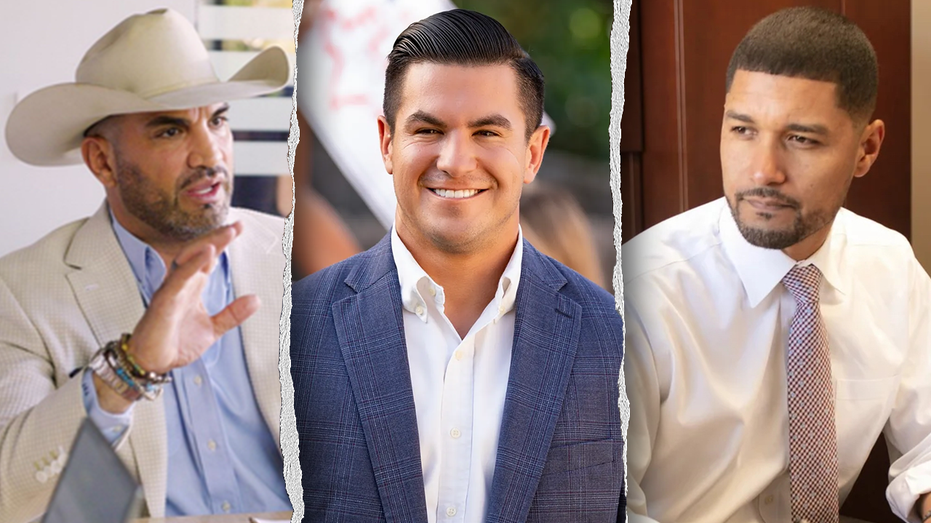
In South Texas, a region long considered a Democratic stronghold, frustration is boiling over. Judge Tano Tijerina, a lifelong Democrat, is leading the charge, challenging incumbent Henry Cuellar for a seat in Congress. He describes a growing disillusionment with the Democratic Party’s focus on social issues, a stark contrast to the pragmatic concerns of his community.
“We’ve always been conservative, everybody knows it,” Tijerina asserts. “Down here in South Texas, the only thing we care about is good-paying jobs and making sure we’re getting protected.” He points to the Biden administration’s handling of the border as a key turning point, arguing that its policies have “opened up a lot of eyes.”
Tijerina isn’t alone. Across Texas, New Mexico, and California, a wave of Hispanic Republican candidates are vying for congressional seats. Eric Flores, an Army veteran, and Kevin Lincoln, a Marine veteran, are among those echoing Tijerina’s message – a message of economic opportunity and secure borders.
The frustration isn’t simply about policy; it’s about representation. Tijerina accuses Congressman Cuellar of prioritizing his own interests over those of his constituents. “Henry’s been for Henry all these years, and it’s very obvious,” he states. “It’s time for a new generation.”
The Democratic Party is acutely aware of the challenge. They maintain that they are the true champions of Hispanic voters, emphasizing their commitment to lowering costs and creating jobs. However, Republicans are aggressively countering this narrative, arguing that their focus on economic empowerment resonates more deeply with working families.
The stakes are high. With a razor-thin majority in the House of Representatives, the Republican Party believes winning the Latino vote is crucial to retaining and expanding its power. This isn’t just about one election; it’s about shaping the future of American politics.
Kevin Lincoln, running in California’s Central Valley, sees a similar awakening. He describes Hispanic families struggling with the affordability crisis, feeling ignored by politicians who prioritize ideology over practical solutions. “Generations of families like mine came to America in pursuit of the American Dream,” Lincoln explains, “and the Republican Party is earning their trust by working to restore the affordability and opportunity that allows working families to get ahead again.”
The coming months will reveal whether this shift is a temporary realignment or a fundamental change in the political landscape. But one thing is clear: the Hispanic vote is no longer a guaranteed prize for either party. It’s a prize that must be earned, and the competition is fierce.