A chilling realization is taking hold: we are entering an era defined not by progress, but by a subtle, insidious decline in prosperity. It’s a shift that threatens to erode the foundations of economic stability, and the roots of the problem are surprisingly simple – and deeply unsettling.
Imagine inheriting a successful business, a sprawling department store brimming with potential. Now, imagine discarding the advice of seasoned professionals – the experts in consumer trends, logistics, and human resources – and instead, relying solely on instinct. You fill the store with products you *like*, favoring vendors who offer compliments rather than sound advice. It’s a recipe for disaster, isn’t it?
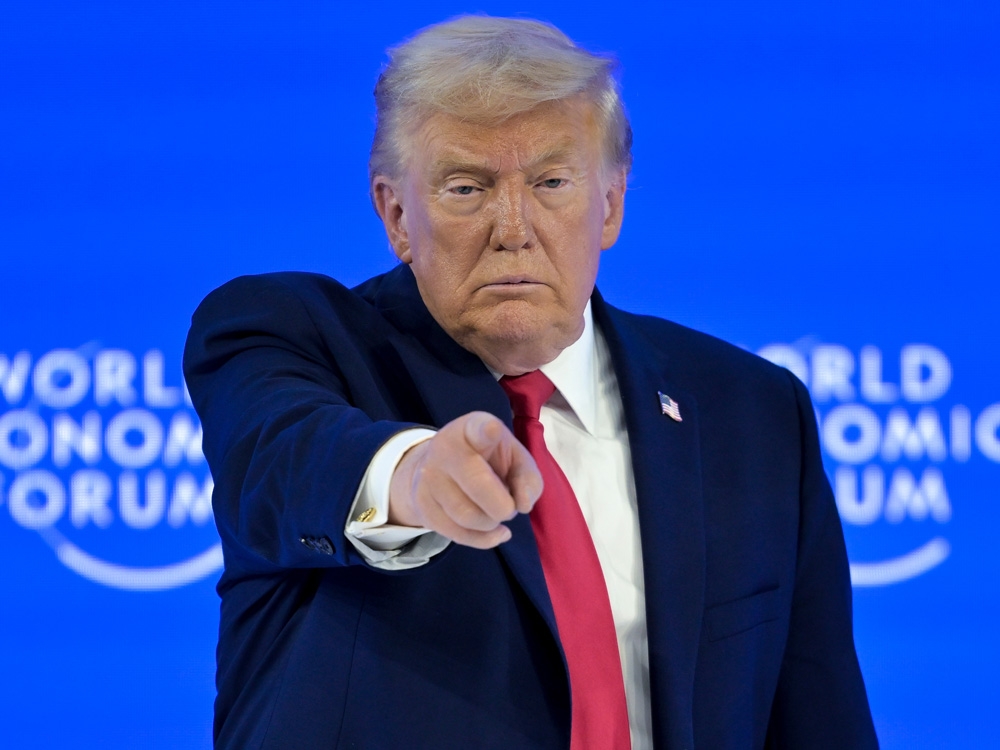
This, disturbingly, is how international trade and the American economy are currently being managed. The idea that America can simply “set the price,” as one leader recently declared, reveals a fundamental misunderstanding of how global markets function. Tariffs, often touted as tools for fairness, are ultimately paid for by consumers, a hidden tax on everyday life.
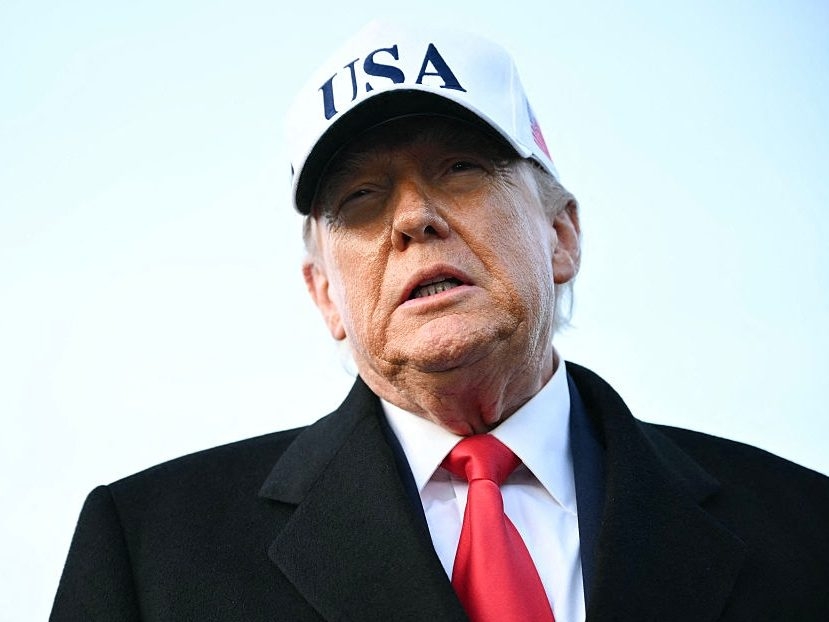
But the real danger isn’t just economic illiteracy; it’s the capricious nature of these decisions. The “price” is constantly changing, dictated not by economic realities, but by fleeting whims and personal demands. Recent actions, including threats to dismantle trade agreements over unrelated grievances, demonstrate a pattern of instability that sends shockwaves through the global economy.
A degree of favoritism exists in most businesses – a nephew hired, a friend awarded a contract. These are acknowledged as exceptions to sound practice. But what happens when deviation *becomes* the standard? When prioritizing personal connections and political leverage eclipses rational economic strategy?
This isn’t a new phenomenon. For decades, ideologies on both sides of the political spectrum have championed policies prioritizing social or political goals over pure economics. While some regulations, like those protecting workers, are undeniably worthwhile, the sheer volume of politically motivated interventions distorts the market and stifles growth.
Populism, historically, has been a major driver of these distortions. It’s no surprise, then, that leaders with vastly different ideologies can find common ground in policies that defy economic logic. The difference lies in the foundation of their beliefs: one rooted in established thought, the other solely in gut feeling.
And that’s precisely why this “post-globalist” era threatens our collective wealth. Across the globe, businesses are no longer making decisions based on efficiency and market demand. They are hedging against political risk, bracing for unpredictable tariffs and shifting alliances.
This reactive approach is inherently inefficient. Less efficiency translates directly to lower productivity, and lower productivity means slower wealth creation. Companies are reorganizing supply chains, distancing themselves from markets perceived as unstable, even if it means sacrificing optimal performance.
It’s a self-fulfilling prophecy. If you anticipate arbitrary demands – a preference for gold-painted products, or even partial ownership of your company – you’ll adapt defensively, prioritizing appeasement over innovation. This isn’t speculation; it’s the reality reported by business analysts worldwide.
When capital is allocated based on geopolitical calculations rather than economic potential, prosperity suffers for everyone. For years, a core tenet of conservative thought was the rejection of government interference in the market, the condemnation of “picking winners and losers.” Yet, a troubling shift has occurred, with many now willing to cede economic control to a single individual.
The consequences of this shift are becoming increasingly clear. We are sacrificing long-term economic stability for short-term political gains, and the price of that bargain will be paid by all of us. This isn’t a matter of ideology; it’s a matter of fundamental economic reality.