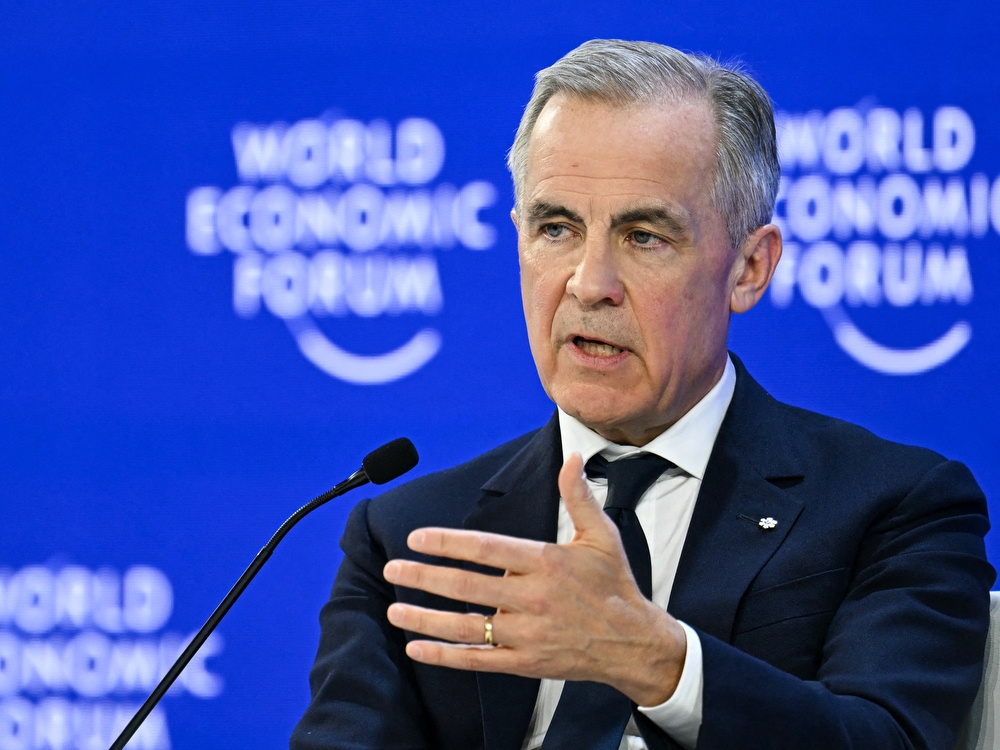
A chilling threat has emerged from former President Trump, escalating a personal feud with Prime Minister Carney into a full-blown economic warning. Trump has vowed a “100% tariff on all Canadian goods” should Canada proceed with recently agreed upon deals with China, igniting a crisis with potentially devastating consequences.
The escalation began with a scathing attack on Truth Social, where Trump dismissed Carney as little more than the governor of America’s 51st state. But the insult quickly morphed into a stark ultimatum, fueled by fears that Canada might become a conduit for Chinese products entering the U.S. market.
Trump painted a grim picture, warning that China would “completely devour” Canada, dismantling its businesses and way of life. He insisted that any agreement with China would be met with immediate and crippling tariffs, effectively shutting Canada out of its largest and most vital trading partner.
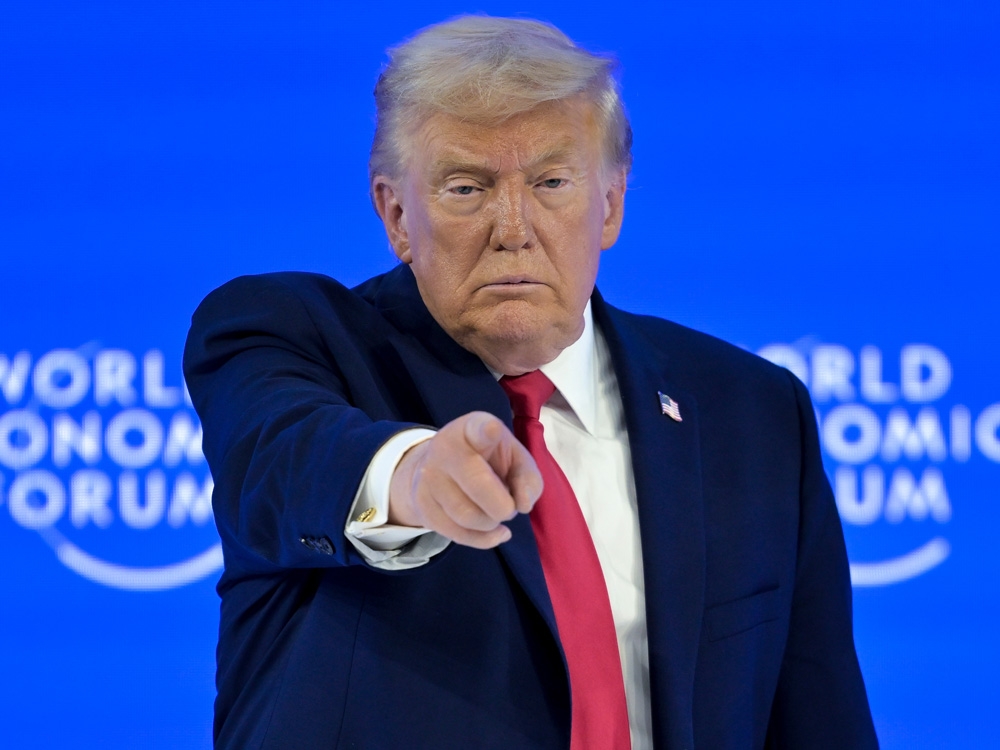
This dramatic shift in tone follows a highly publicized exchange at the World Economic Forum in Davos. Carney delivered a powerful speech, challenging the notion that nations should simply “go along to get along” with larger powers, earning a rare standing ovation. He asserted that those “not at the table, are on the menu.”
Trump, however, reacted with visible displeasure, accusing Canada of taking advantage of the U.S. and demanding gratitude. He bluntly stated that “Canada lives because of the United States,” a pointed reminder of the economic imbalance between the two nations.
The situation has rapidly deteriorated beyond initial disagreements. Trump first rescinded an invitation for Carney to participate in a peace initiative, then questioned Canada’s commitment to a key international project. Now, the threat of economic warfare looms large, jeopardizing Canada’s financial stability.
Concerns have been raised about the nature of the deals with China, including an agreement to import 49,000 electric vehicles, labeled by some as potential “spy cars.” Ontario Premier Doug Ford cautioned that Trump would not react favorably to such arrangements.
The stakes are incredibly high. Canada sends over 70% of its exports to the United States, a dependency that makes it particularly vulnerable to Trump’s threats. While Carney has remained publicly silent regarding the escalating tensions, the potential for economic fallout is undeniable.
Business mogul Kevin O’Leary, a prominent figure in American business circles with close ties to Trump, has urged a swift resolution. He warned that without a “kiss and make up,” Canada’s GDP could spiral into negative growth, transforming the nation into a “cold third-world country.”
O’Leary’s assessment underscores the harsh reality facing Canadians: a choice between navigating a complex relationship with China and preserving the vital economic lifeline provided by the United States. The question now is whether Carney will heed the warning, and whether Trump is willing to de-escalate before irreparable damage is done.
The conflict, unfolding largely through social media and public statements, carries the potential for genuine economic devastation. Canada now finds itself on a precarious precipice, its future hanging in the balance as this verbal war threatens to become a very real economic catastrophe.